
Short Answer
When one thinks of sharks, images of menacing fins cutting through the water often spring to mind, bolstered by iconic films such as “Jaws.” However, these magnificent creatures possess a myriad of awe-inspiring traits and qualities that defy the stereotypical narrative. From their evolutionary prowess to their astonishing biology, here are ten Jaws-level amazing facts about sharks that promise to transform your understanding of these captivating predators.
1. The Age of Sharks
Sharks have inhabited our planet for over 400 million years, predating dinosaurs and even trees. This staggering timeline positions them among the oldest living species, allowing them to evolve into highly specialized predators. Their resilience throughout mass extinctions speaks volumes about their adaptability. As oceanic custodians, sharks have endured the test of time, continuously evolving to thrive in diverse marine environments.
2. A Thriving Diversity
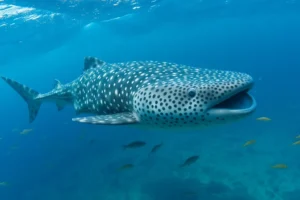
With over 500 species known to science, sharks display an astonishing array of shapes, sizes, and behaviors. From the dwarf lantern shark, which measures a mere eight inches, to the magnificent whale shark that can grow up to 40 feet in length, this diversity is staggering. Each species is uniquely adapted to its environment, exhibiting fascinating behaviors—from the social nature of the hammerhead to the solitary pursuit of the elusive great white.
3. The Myth of the Bloodthirsty Predator
Despite popular perception, sharks are not the indiscriminate killers portrayed in media. In fact, of the hundreds of species, only a handful have been implicated in attacks on humans. Most sharks primarily feast on smaller fish and marine invertebrates. Their predatory behaviors are governed by specific dietary needs; thus, they rarely target human beings unless provoked or curious.
4. Sense Like No Other
Sharks are equipped with a bewildering array of sensory adaptations that surpass human capabilities. Their ability to detect electromagnetic fields produced by all living organisms is truly extraordinary. This sixth sense enables sharks to hunt with precision, even in murky waters. Additionally, their acute sense of smell allows them to detect blood from miles away, ensuring that they can locate potential prey with unmatched efficiency.
5. The Reproductive Paradox
Shark reproduction is a complex and varied endeavor. While some species lay eggs, others give birth to live young. What’s even more fascinating is the phenomenon of parthenogenesis, where female sharks can produce offspring without any male involvement. This rare mode of reproduction challenges traditional views and raises questions about the resilience of shark populations, especially in the face of increasing environmental stressors.
6. The Oceanic Role of Sharks
As apex predators, sharks play a pivotal role in maintaining the health of marine ecosystems. They help regulate fish populations, ensuring that no single species overwhelms the ecosystem. This balance is crucial for promoting biodiversity and sustaining the delicate web of life beneath the waves. Without sharks, the consequences for marine health can be dire, leading to imbalances that disrupt entire oceanic communities.
7. An Unbelievable Lifespan
Sharks exhibit remarkable longevity, with some species living for over 70 years, and in rarer cases, even over 400 years—like the Greenland shark. Their slow growth, late maturity, and extended lifespans contribute to the challenges of population recovery, especially in the face of overfishing and habitat destruction. This longevity becomes increasingly significant as conservation efforts aim to protect these ancient mariners from extinction.
8. Sharks and Their Teeth
One of the most fearsome features of sharks is their teeth—razor-sharp tools that are continually replaced throughout their lifetime. A single shark can lose thousands of teeth over its lifetime, with some species capable of regrowing a new tooth in a matter of days. This biological design ensures their predatory efficiency is maintained, underscoring the unique evolutionary adaptations of these formidable creatures.
9. Communicating Through Movement
While sharks lack vocal cords, they possess a sophisticated form of communication through body language and movement. By adjusting the position of their fins and body, they convey health, stress, and readiness to mate. The subtleties in their behavior unveil a complex social structure, particularly in species like the nurse shark, where group dynamics can be surprisingly intricate.
10. Conservation Challenges
Despite their critical roles within marine ecosystems, sharks face severe threats from human activities, particularly overfishing, bycatch, and habitat destruction. The global demand for shark fins, in particular, has led to a dramatic decline in their populations. Conservation efforts and awareness campaigns are paramount to ensuring these majestic creatures continue to roam the oceans, preserving the balance of underwater worlds for future generations.
In summary, sharks are far more than the terrifying monsters depicted in films; they are vital, complex creatures integral to marine health and biodiversity. From their ancient origins to their extraordinary adaptations, each fact about sharks invites us to reconsider our preconceived notions and appreciate their critical role in our ecosystems. Embracing curiosity about these fascinating beings might just lead you to become an advocate for their preservation—an essential step in ensuring that their legacy endures for centuries to come.
FAQ
How long have sharks existed?
Sharks have existed for over 400 million years, making them one of the oldest living species.
Do all sharks attack humans?
No, only a handful of shark species are implicated in attacks on humans; most primarily feed on smaller fish.
What is the lifespan of a shark?
Some shark species can live for over 70 years, with rare cases like the Greenland shark living over 400 years.





Leave a Reply