
Short Answer
Ancient Egypt, a civilization steeped in enigma, continues to astonish modern scholars and casual enthusiasts alike. Its monumental architecture, intricate hieroglyphs, and complex belief systems weave a rich tapestry that captivates the imagination. Yet, despite extensive archaeological studies, many aspects of this remarkable culture still remain unresolved. Have you ever pondered the mysteries that surround the iconic civilization along the Nile? This exploration invites you to delve into ten captivating fun facts about ancient Egypt that still leave us scratching our heads. Are you ready to challenge your understanding of history?
1. The Construction Techniques of the Pyramids
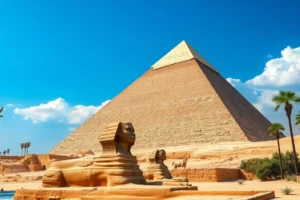
How did the ancient Egyptians manage to construct the colossal pyramids, particularly the Great Pyramid of Giza, with such precision? While theories abound—from the use of ramps to leverage heavy stones to the possible contributions of skilled laborers—no conclusive evidence has emerged. Archaeologists continue to investigate the logistics behind the transportation and assembly of these monumental structures, suggesting potential innovations that have since been lost to time. Could there have been secrets that the builders never intended for us to discover?
2. The Enigma of the Sphinx
The Great Sphinx of Giza, with its lion’s body and human head, symbolizes the grandeur of ancient Egypt. However, its origins and purpose remain unclear. Some historians speculate that the Sphinx predates the pyramids, while others suggest it was constructed during the reign of Pharaoh Khafre. Its nose, famously missing, adds an additional layer of intrigue. Was this an act of vandalism by invading forces, or was it deliberately sculpted? The mystery of the Sphinx continues to elude definitive answers.
3. Mummification Practices
The ancient Egyptians perfected the art of mummification, yet the full spectrum of their techniques and beliefs surrounding death is still contested. While the process is well-documented, scholars debate the reasons for the varying levels of preservation seen in different mummies. Some were exquisitely embalmed, while others were hastily prepared. What factors determined these differences: social status, personal wealth, or perhaps something more profound? The complexity of their burial practices highlights the intertwining of faith and societal norms.
4. Hieroglyphics and Their Interpretation
Although the Rosetta Stone played a crucial role in decoding hieroglyphics, many symbols, especially those relating to spiritual concepts, remain ambiguous. While some characters have straightforward meanings, others are open to interpretation. Were these symbols merely decorative, or did they hold hidden truths? The nuances in hieroglyphics challenge our understanding of ancient Egyptian communication, making it a puzzle that continues to inspire linguists and historians.
5. The Role of Women in Society
Ancient Egypt is often celebrated for its relatively progressive views on women compared to other ancient cultures. Women, such as Hatshepsut, rose to power as pharaohs; however, the specifics of their roles, rights, and societal status are still points of contention. Were women truly equal, or did their influence diminish over time? This conundrum provokes deeper inquiries into gender dynamics within the ancient social framework.
6. The Afterlife Beliefs
Ancient Egyptians held profound beliefs about the afterlife, yet the intricacies of these beliefs remain obscured. The notion of the ‘Weighing of the Heart’ against the feather of Ma’at suggests a moral judgment, but how this process influenced daily life and governance is still debated. What motivated individuals to live virtuous lives? Could there be uncharted layers to their understanding of morality and the divine?
7. The Disappearance of the Library of Alexandria
The Library of Alexandria was once considered the beacon of knowledge and literary achievement in the ancient world. Its eventual demise raises questions that historians have yet to answer definitively. Was it destroyed in a single catastrophic event, or did it gradually deteriorate due to neglect? The loss of such a monumental repository of wisdom tantalizes scholars. What secrets or discoveries might have vanished with its scrolls?
8. The Mysterious Abandonment of Cities
Cities like Amarna, built by Akhenaten, were abruptly abandoned, leaving behind a wealth of artifacts and architecture that provide insight into their era. What led to such a sudden exodus? Was it political upheaval, natural disasters, or perhaps a shift in religious beliefs? The silence of these deserted cities speaks volumes and stirs curiosity regarding their fates.
9. The Great Flood and Historical Context
Legends of great floods permeate not just Egyptian mythology but many civilizations worldwide. However, scientists strive to pinpoint a historical basis for these stories. Did the ancient Egyptians experience significant floods that influenced their worldview? Understanding the relationship between myth and historical events might unlock further context about their civilization’s evolution.
10. Ancient Egyptian Medicine
The medical practices of ancient Egypt were advanced for their time, yet many aspects remain enigmatic. Though they documented numerous ailments and herbal remedies, their understanding of anatomy was limited. How did this influence their techniques? Did they possess knowledge that has since been lost? Exploring the trajectory of their medical knowledge presents a tantalizing challenge to modern medicine.
In conclusion, the allure of ancient Egypt lies not just in its achievements but also in its mysteries that beckon us to explore further. Each fact unveils a layer of complexity, inviting thoughtful conjecture about a civilization that, despite its demise, continues to provoke our curiosity. As you ruminate on these mysteries, consider what new revelations lie beneath the sands, waiting to be unearthed. Will future discoveries illuminate the shadows of the past, or will these captivating enigmas remain just that—mysteries for the ages?
FAQ
What were the construction techniques used for the pyramids?
Ancient Egyptians used a variety of theories, including ramps and skilled labor, to construct the pyramids, but no conclusive evidence has been found.
What is the significance of the Great Sphinx?
The Great Sphinx symbolizes ancient Egyptian grandeur, but its origins and purpose remain unclear, adding to its mystery.
What were the ancient Egyptians' beliefs about the afterlife?
Ancient Egyptians believed in a detailed afterlife process, including the ‘Weighing of the Heart,’ but the intricacies of these beliefs are still debated.



Leave a Reply