
Short Answer
When one thinks of the ocean’s vibrant tapestry, the majestic sea anemone often emerges as a kaleidoscopic flower of the underwater realm. Residing in the salty embrace of the sea, these creatures are anything but ordinary flora; they weave together a complex narrative of beauty, biology, and symbiosis. The sea anemone can be likened to a delicate blossom, gently undulating with the ocean currents, displaying hues ranging from the vividly iridescent to the subtly subdued. Below lies an exploration of their architecture, behavior, ecological significance, and the extraordinary relationships they foster, painting a portrait of these enigmatic marine beings.
1. Anatomy of a Marvelous Morphology
Possessing a mesmerizing symmetry, anemones typically feature a cylindrical body adorned with a crown of tentacles. These tentacles are not merely ornamental; they function as both weaponry and sensory appendages. Equipped with specialized cells called cnidocytes, they harbor nematocysts, which can deliver a potent sting to capture prey or defend against predators. The body of an anemone is often anchored to a substrate by a basal disc, allowing it to remain stationary while dancing gracefully with the waves. Their varied forms and textures—smooth, frilled, or completely ruffled—add to their aesthetic allure. Through this vivacious morphology, sea anemones epitomize nature’s art, encapsulating its creative prowess.
2. The Colorful Palette of Existence
One cannot discuss sea anemones without acknowledging their enchanting colors. These organisms display a plethora of pigments, resulting from both their genetic makeup and the endosymbiotic algae called zooxanthellae. Much like flowers depend on sunlight for their vibrancy, anemones often thrive in sunlit waters, where the algae and the host engage in a productive dance of photosynthesis. The interplay of colors not only captivates divers and oceanographers but also serves as a survival strategy; bright hues may signal toxicity to potential predators, ensuring a modicum of protection in the predator-rich waters of the ocean.
3. A Key Player in Marine Ecosystems
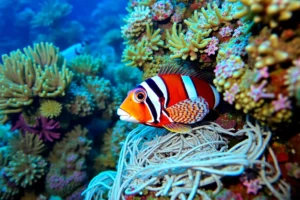
Sea anemones serve as crucial components of marine ecosystems, forming intricate partnerships that bolster biodiversity. Perhaps the most famous of these affiliations is their relationship with clownfish, popularized by media yet profound in essence. Clownfish find refuge among the anemones’ stinging tentacles, a sanctuary that offers protection from predators. In exchange, these colorful fish provide nutrients through their waste and keep anemones clean from debris and parasites. This mutualistic relationship is a testament to the reciprocity evident within marine habitats, highlighting an ecological balance that is as delicately poised as the anemone’s own tentacles.
4. Ecological Resilience and Threats
Despite their remarkable adaptations and survival strategies, sea anemones grapple with various anthropogenic threats. Climate change and ocean acidification pose significant challenges, disrupting their delicate physiology and resilience. As ocean temperatures rise, the symbiotic relationship with zooxanthellae may falter, leading to bleaching events that diminish their vibrant colors and overall health. Additionally, pollution and habitat degradation further exacerbate their vulnerabilities. It is vital to understand the ecological roles that sea anemones play and the ramifications that their decline could have throughout marine ecosystems. Protecting these remarkable organisms is essential for maintaining the intricate web of life beneath the waves.
5. A Glimpse Into Anemone Behavior
When one contemplates the behavior of sea anemones, one discovers a world of keen instinct and surprising adaptability. Contrary to the notion that these creatures are sedentary, they possess a curious capability known as “walking.” Using their muscular foot, anemones can slowly traverse the ocean floor, seeking optimal locations for food and light. Furthermore, they exhibit remarkable tolerance and defense mechanisms; when faced with threats, some species can retract their tentacles swiftly, while others may use their stinging cells defensively. This adaptability underscores their survival finesse, a reminder that life—even in the depths of the ocean—requires resilience and ingenuity.
6. The Cultural Symbolism of Sea Anemones
Beyond their biological intrigue, sea anemones also carry cultural symbolism that resonates through art and mythology. Within various cultures, these oceanic blossoms symbolize protection and tranquility, reflecting their role as sanctuaries amidst tumultuous waters. Artists and writers have drawn upon their ethereal beauty, often employing them as metaphors for fragility, dynamism, and symmetry in imperfection. Through the lens of culture and storytelling, the allure of sea anemones transcends science, inviting us into a realm where beauty and meaning intersect.
Conclusion: The Ocean’s Resilient Blossom
In conclusion, sea anemones—often dubbed the “flowers of the ocean”—embody a remarkable confluence of beauty, function, and ecological significance. Their exquisite forms and vibrant colors not only captivate the human eye but also draw attention to the intricate relationships that bind marine life. As custodians of the ocean’s delicate balance, these enchanting creatures remind us of the interconnectedness of life and the imperative to safeguard our aquatic environments. As guardians of both the sea and our imaginations, sea anemones invite us to marvel at the wonders of the natural world, urging us to appreciate the fragility that lies within the thriving heart of the ocean.
FAQ
What are sea anemones?
Sea anemones are marine animals that resemble colorful flowers and use stinging tentacles to catch prey and protect themselves.
How do sea anemones and clownfish benefit each other?
Clownfish find protection among anemone tentacles, while clownfish provide nutrients and cleaning services to the anemones.
What threats do sea anemones face?
Sea anemones face threats from climate change, ocean acidification, pollution, and habitat degradation.
Can sea anemones move?
Yes, sea anemones can slowly move across the ocean floor using their muscular foot to find better locations.
Why are sea anemones called the 'flowers of the ocean'?
Because of their vibrant colors and flower-like appearance, sea anemones are often metaphorically called the ‘flowers of the ocean.’


Leave a Reply