
Short Answer
In an expanse as immense and intricate as the human body, there exists a myriad of elements, each performing its designated role with precision and grace. Among these is zinc, a seemingly diminutive mineral packed with profound potency. Often likened to a backstage maestro in a grand symphony, zinc orchestrates a variety of biological functions, allowing the body’s processes to harmonize and thrive. This mineral may not glisten like gold or shine like diamonds, yet its understated luster is found in its unparalleled contributions to health and well-being.
1. The Essential Ingredient
Zinc is categorized as an essential trace element, which means that despite its minuscule presence—accounting for a mere 2.5 grams in the average human body—its impact is monumental. From aiding in cellular metabolism to bolstering immune responses, this mineral is a cornerstone of our physiological architecture. Without zinc, the very fabric of our biological functionality would fray, resulting in a diminished quality of life.
2. Immune System Guardian
Visualize zinc as the vigilant guardian standing at the gates of your immune system, ready to fend off intruders. It is pivotal in the development and activation of T-lymphocytes, a type of white blood cell integral to immune responses. When the body is under siege from pathogens, zinc rallies its forces, empowering immune cells to mount a formidable defense. A deficiency in this essential mineral can leave you susceptible to infections, much like a castle without its fortified walls.
3. The Alchemist of Enzymes
Enzymes are the alchemical wizards of biochemical reactions, and zinc serves as a critical cofactor for over 300 enzymes in the human body. These enzymes catalyze an array of reactions: from digestion and metabolism to DNA synthesis and wound healing. Imagine a master key unlocking a multitude of intricate mechanisms; zinc facilitates processes that transform food into energy and aid in cellular repair, ensuring a seamless flow of bodily functions.
4. Cognitive Catalyst
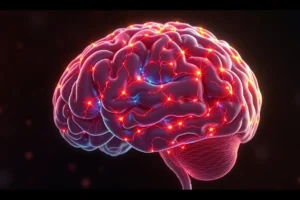
As we delve deeper into zinc’s multifaceted roles, we cannot overlook its significance in cognitive function. This mineral is instrumental in neurotransmission—the very dialogue of the brain. Zinc influences learning and memory, acting as a biochemical conductor in the orchestra of cognitive processes. A deficiency might lead to cognitive fog, akin to a symphony missing its conductor, losing rhythm and harmony.
5. Skin’s Best Friend
The skin, our body’s largest organ, serves as the first line of defense against external adversaries. Zinc plays a vital role in maintaining skin integrity and structure, acting almost like a protective barrier. Known for its anti-inflammatory properties, it aids in the healing of wounds and alleviates conditions such as acne and eczema. Here, zinc is the gentle gardener, cultivating a vibrant landscape of healthy skin through its reparative prowess.
6. Hormonal Ally
The endocrine system, responsible for hormone production, flourishes in the presence of zinc. This mineral intricately regulates various hormones, including testosterone and insulin, much like a skilled conductor guiding a complex orchestra. For men, adequate zinc levels are particularly crucial in maintaining testosterone levels, influencing everything from libido to muscle development. For women, it plays a role in reproductive health and menstrual cycle regulation, showcasing its universal relevance across genders.
7. Dietary Sources: Finding Your Zinc
To harness the bountiful benefits of zinc, one must seek it out in dietary sources. Rich foods such as oysters, red meat, poultry, beans, and nuts are treasure troves of this mineral. Vegetarians may rely more on legumes and whole grains, but must navigate the complex interplay of phytates which can inhibit zinc absorption. This begs the question: Are we giving adequate care and attention to our dietary choices, ensuring this essential mineral finds its way into our plates?
8. Supplementation: When Less is Not More
In an era of health fads and supplement mania, it’s imperative to tread carefully. While zinc supplements can be beneficial, particularly for those with deficiencies, overdosing can lead to toxicity, resulting in adverse effects such as nausea and impaired immune function. Thus, moderation becomes the golden rule. Consultation with a healthcare provider can provide clarity and precision in navigating the supplementation of this powerful mineral.
9. The Future of Zinc Research
As research expands, the intrigue surrounding zinc continues to deepen. Emerging studies link zinc deficiency to various health issues, including mental health disorders and chronic diseases. This evolving narrative paints zinc not just as a mineral, but as an essential player in the quest for longevity and optimal health. The clarity of its roles shines through the haze of modern dietary habits, beckoning a return to balanced eating.
Conclusion
In conclusion, the small-sized mineral known as zinc wields incredible power, acting as an unsung hero in the saga of human health. It orchestrates immune responses, facilitates enzymatic processes, enhances cognitive function, and beautifies the skin. As we navigate our daily lives, it is vital to acknowledge the role of this enigmatic mineral and ensure it graces our plates in appropriate quantities. In the grand theater of existence, let us not overlook the tiny mineral with big power—zinc is indeed a formidable ally in our journey toward optimal health.
FAQ
What are the health benefits of zinc?
Zinc supports immune function, enzyme activity, cognitive health, skin integrity, and hormonal balance.
What are common dietary sources of zinc?
Foods rich in zinc include oysters, red meat, poultry, beans, and nuts.
Can zinc supplements be harmful?
While beneficial for deficiencies, excessive zinc can lead to toxicity and adverse effects.





Leave a Reply