
Short Answer
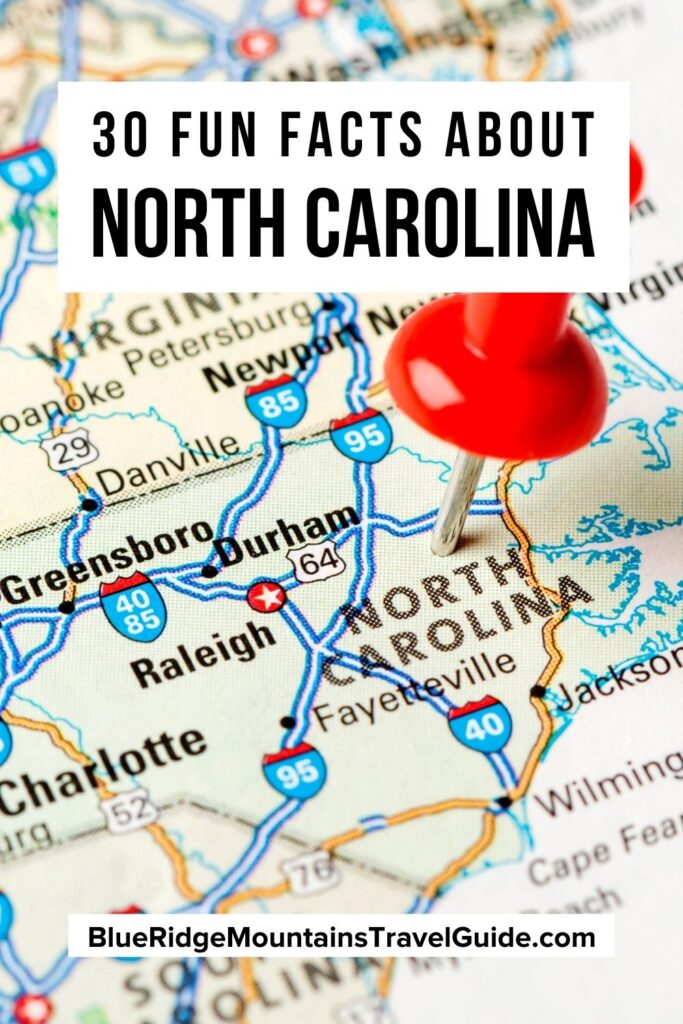
North Carolina, a state that boasts a stunning tapestry of landscapes and a rich cultural heritage, captivates residents and visitors alike with its diverse offerings. From the majestic Appalachian Mountains in the west to the sweeping vistas of the Atlantic coast in the east, North Carolina brims with fascinating facts that reflect its history, geography, and people. Here are ten intriguing facts about this remarkable state, each hinting at deeper stories and influences that contribute to its unique character.
1. The Birthplace of Aviation
North Carolina earned the esteemed title of the “First in Flight” state, honoring the Wright brothers’ monumental achievement in aviation. On December 17, 1903, Orville and Wilbur Wright launched the first successful powered flight in Kitty Hawk, a coastal town that remains ingrained in the annals of aviation history. This achievement was not merely a matter of engineering; it was a culmination of innovation, determination, and the quest for human advancement. The Wright brothers chose Kitty Hawk for its favorable winds, emphasizing how local geography played an instrumental role in this groundbreaking event.
2. Majestic Mountain Ranges
The Blue Ridge Mountains, a prominent segment of the Appalachian range, reveal a breathtaking panorama of lush forests and vibrant wildlife. This region is celebrated for its unparalleled beauty, particularly during the autumn months, when the foliage transforms into a dazzling display of color. However, the mountains’ allure extends beyond aesthetics; they echo a rich cultural history. The area is home to various Native American tribes, such as the Cherokee, whose traditions and heritage are preserved in museums and cultural centers, offering insight into the indigenous way of life.
3. A Culinary Hotspot
North Carolina’s culinary landscape is a tantalizing blend of Southern traditions and regional specialties. Renowned for its barbecue, particularly the distinct vinegar-based sauce of Eastern North Carolina versus the tomato-based style of the west, food enthusiasts find an array of flavors to explore. This dichotomy in barbecue styles is emblematic of the broader cultural influences that have shaped the state, reflecting the migration patterns and agricultural practices that have evolved over centuries. In addition, cities like Asheville and Charlotte have emerged as vibrant hubs for craft breweries and farm-to-table dining, attracting gourmands from all over the nation.
4. The Outer Banks: A Unique Ecosystem
The Outer Banks, a chain of barrier islands stretching along North Carolina’s coastline, offer a glimpse into a unique ecosystem that is both fragile and resilient. These islands protect the mainland from the Atlantic’s tumultuous waves while providing vital habitats for various species, including sea turtles and migratory birds. However, their allure transgresses their ecological importance. The Outer Banks are steeped in history, most notably as the site of the lost colony of Roanoke. The intriguing mystery of this vanished settlement continues to captivate historians and tourists alike, sparking a narrative thread that intertwines adventure with enigma.
5. Home to the Highest Peak
Mount Mitchell, reaching an elevation of 6,684 feet, is the tallest peak east of the Mississippi River. Nestled within the Black Mountains, it presents both a geographical feat and a biosphere rich with diverse flora and fauna. The mountain’s summit offers breathtaking views and serves as a reminder of the dramatic geological processes that shaped the region. Furthermore, the surrounding area is a veritable paradise for hikers and nature lovers, providing trails that showcase the splendor of the Appalachian ecosystem. Mount Mitchell encapsulates the indomitable spirit of exploration and the desire to connect with the natural world.
6. A Historical Melting Pot
The state’s history is a microcosm of American heritage, exhibiting influences from Native American tribes, early European settlers, African slaves, and more recent immigrant populations. The complexity of these interactions has fostered a diverse cultural landscape, evident in the state’s music, festivals, and dialects. North Carolina is renowned for its contributions to bluegrass, gospel, and other musical genres, serving as a breeding ground for some of American music’s most influential artists. The vibrant exchange of traditions represents a confluence of identities, making North Carolina a fascinating case study in cultural evolution.
7. The North Carolina Zoo
Spanning over 2,600 acres, the North Carolina Zoo in Asheboro is the world’s largest natural habitat zoo. This facility is dedicated not only to conservation and education but also to creating immersive environments for both animals and visitors. With an emphasis on native species and global biodiversity, the zoo showcases the interconnectedness of ecosystems. It represents the state’s commitment to wildlife preservation, illustrating the intrinsic value of safeguarding the planet’s habitats and the creatures that inhabit them.
8. A Hub for Higher Education
North Carolina is home to a robust higher education system, including notable institutions such as Duke University, the University of North Carolina at Chapel Hill, and North Carolina State University. This academic landscape not only promotes knowledge but also fosters innovation and research. The state has been at the forefront of advancements in health care, technology, and environmental science. The symbiotic relationship between these institutions and local communities enhances the cultural fabric of the state, creating a rich environment for intellectual growth.
9. Festivals and Celebrations
Throughout the year, North Carolina hosts a plethora of festivals that celebrate its diverse cultural heritage, from the National Folk Festival in Greensboro to the Shakori Hills GrassRoots Festival of Music and Dance in Pittsboro. Music, crafts, and culinary delights converge to create vibrant community experiences that highlight local traditions. These events are not just gatherings but serve as vital expressions of identity, reflecting the dynamic nature of the state’s cultural landscape and fostering a sense of belonging among participants. They embody the spirit of community that is deeply rooted in North Carolina’s history.
10. A Pioneering Role in Research and Innovation
North Carolina has positioned itself as a leader in research and innovation, particularly in technology and biotechnology. The Research Triangle Park, nestled between Raleigh, Durham, and Chapel Hill, is one of the largest research parks in the world. This hub of innovation attracts companies and institutions dedicated to advancing various fields, including pharmaceuticals and information technology. The convergence of academia and industry here underscores a commitment to progress, illustrating how North Carolina continually strives to be at the forefront of modern advancements while honoring its historical roots.
In summary, North Carolina captivates with its enchanting mixture of mountains, coastlines, culture, and history. From awe-inspiring natural wonders to a vibrant tapestry of traditions, the state’s character is a testament to the myriad influences that have shaped its identity over time. Each fact unveils a fascinating layer of depth and complexity that makes North Carolina a compelling destination worth exploring.





Leave a Reply