
Short Answer
Introduction
The human body is a magnificent tapestry of biological marvels that can astound even the most seasoned biologist. From the intricate workings of the cellular machinery to the espial of various organ systems, the depth of human anatomical knowledge is as unfathomable as the cosmos. While we often take the miraculous functions of our bodies for granted, the sheer scale of peculiarities within us can leave anyone utterly speechless. Here are 500 insane facts about the human body that will not only astound but also provoke a reflection on the inherent complexities of our existence.
The Brain: Master of Complexity
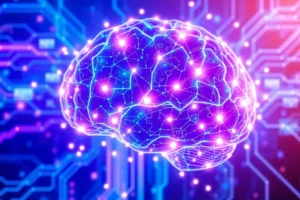
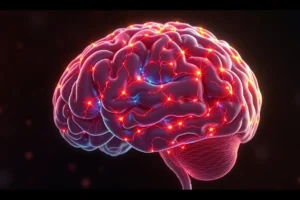
1. Did you know that the brain contains approximately 86 billion neurons? Each of these neurons can form thousands of connections, culminating in trillions of synapses.
2. The brain itself is composed of about 75% water, making hydration vital for optimal function.
3. Your brain generates enough electricity to power a small light bulb, showcasing its endless activity even in moments of rest.
4. Brain activity can produce electrical waves known as brainwaves, which can vary significantly based on your mental state.
5. Interestingly, the human brain is more active at night than during the day, a curious contradiction that speaks to its nocturnal utility.
The Heart: A Rhythmic Dynamo
6. The heart pumps around 2,000 gallons of blood daily, an astounding figure that emphasizes its ceaseless labor.
7. Each heartbeat propels blood through an intricate network of over 60,000 miles of blood vessels, enough to circle the Earth more than twice.
8. The heart can continue to beat outside of the body, surviving for a brief period even when removed, due to its intrinsic electrical system.
9. Your heart is about the size of a fist, yet it can beat over 100,000 times a day without faltering.
10. Contrary to popular belief, it is not the left side of the heart that pumps blood to the entire body; rather, it is both sides working in tandem that maintain circulatory harmony.
The Digestive System: A Mechanical Wonderland
11. Your digestive system is approximately 30 feet long, providing ample space to process the food that sustains you.
12. It takes about 6-8 hours for food to pass through the stomach and small intestine, after which the residual material enters the colon.
13. The intestines contain over 100 trillion bacteria, collectively known as gut flora, which are crucial for digestion and immune function.
14. Your stomach’s acid is so potent that it can dissolve metal, underscoring the need for a mucosal barrier to protect its lining.
15. The sensation you feel when you are “hungry” is primarily caused by the hormone ghrelin, which stimulates appetite and signals when your body requires nourishment.
The Skin: A Dynamic Shield
16. The skin is the largest organ of the human body, covering around 22 square feet in an average adult.
17. Every minute, you shed approximately 30,000-40,000 dead skin cells, amounting to nearly a pound of skin each year.
18. Skin contains an array of sensory receptors that can detect touch, temperature, pain, and pressure, providing critical feedback from the environment.
19. The color of your skin is primarily determined by the pigment melanin, which acts as a natural sunscreen against UV radiation.
20. Remarkably, your skin can undergo a comprehensive regeneration process every 28 days, renewing itself to ensure resilience against environmental assaults.
The Senses: Perception Amplified
21. The human eye can distinguish approximately 10 million different colors, a stunning testament to our visual acuity.
22. Your sense of smell is strongly linked to memory; fragrances can evoke vivid recollections, demonstrating the intertwined nature of our senses.
23. The ear contains structures that can detect sound frequencies from as low as 20 Hz to as high as 20,000 Hz, a range that varies with age.
24. Each taste bud contains about 50-100 cells that can detect different flavors, contributing to the complexity of culinary experiences.
25. In fact, the tongue has four distinct taste zones, each responsible for flavors such as sweet, salty, sour, and bitter, complementing one another to enhance flavor profiles.
Conclusion
As you delve into these astonishing facts about the human body, you cannot help but marvel at the intricate design and remarkable efficiency of each system and organ. This wealth of knowledge propels us into a deeper understanding of not only our physical form but also the essence of existence itself. The human body stands as a testament to evolution’s artful hand, crafting a being capable of profound thought, immense creativity, and infinite wonder. Each fact unveils a layer of our biological enigma, inviting us to ponder our own humanity in a world that continues to amaze and inspire.
FAQ
What are some interesting facts about the human brain?
The brain contains approximately 86 billion neurons and is composed of about 75% water, emphasizing the importance of hydration for optimal function.
How does the heart function?
The heart pumps about 2,000 gallons of blood daily and can continue to beat outside the body due to its intrinsic electrical system.




Leave a Reply