
Short Answer
Across oceanic expanses, shrimps are the gastronomic jewels of the sea, each morsel bursting with flavor and a rich harmony of texture that delights the senses. Beyond their culinary appeal, these cephalopod marvels are suffused with captivating tales and curious facts that augment their allure in kitchens and dining tables around the world. Here are ten intriguing facts about shrimp that underscore their unique charm and savory significance.
1. A Crustacean with Superpowers
Shrimps are more than mere seafood; they are resilient pioneers. Possessing an exoskeleton, they perform a unique molting ritual, shedding their outer shell to accommodate growth, allowing them to navigate through life with a resilience akin to nature’s superheroes. This remarkable transformation showcases their adaptability, echoing the lifestyle alterations we often undertake in the pursuit of growth.
2. Colorful Chameleons of the Sea
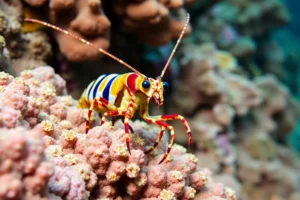
When we think of shrimp, we often envision a uniform pink hue, reminiscent of tropical sunsets. Yet, shrimp exhibit a dazzling spectrum of colors in the wild, from vibrant yellows and greens to striking blues and reds. This diverse pallet serves as both camouflage and a warning signal to potential predators, illustrating how nature paints its inhabitants with purposeful artistry.
3. The Great Migration
Shrimps possess an extraordinary migratory instinct, often traveling hundreds of miles to breed. This journey mirrors the age-old tales of adventure, evoking images of brave explorers venturing into the unknown. Their tenacity and resilience on such monumental voyages highlight their innate desire for survival and continuation of the species, leading both thrill-seeking wanderers and culinary enthusiasts to admire their determination.
4. Specialty in Sound
As if their vibrant appearances weren’t fascinating enough, shrimps have a spectacular acoustic feature. The snapping shrimp, for instance, can create a sound so powerful that it rivals the noise of a gunshot. This phenomenon occurs when they clench their claws to create a cavitation bubble that, upon collapse, generates a shockwave. It’s a reminder of the intricate symphony of life beneath the waves, where each creature contributes to the ocean’s orchestra.
5. Historical Delicacies
An enduring fixture on the tables of history, shrimps trace their culinary roots back to ancient communities. Archaeological evidence reveals the consumption of shrimp as far back as the Roman Empire, where they were deemed a delicacy and served at lavish banquets. This historical significance adds a layer of sophistication and legacy to shrimps, marking them as timeless culinary companions throughout civilizations.
6. Nutritional Treasure Troves
Wealth lies not only in their culinary versatility but also in their nutritional profile. Shrimps are low in calories yet packed with nutrients. They herald significant levels of protein, omega-3 fatty acids, and essential vitamins such as B12. Consuming shrimp can be akin to discovering a treasure chest of health that’s both indulgent and nourishing, perfect for the discerning palate concerned with their well-being.
7. A Global Culinary Phenomenon
From Pad Thai to shrimp cocktails, various cultures have ingeniously incorporated shrimp into their traditional dishes. Each preparation tells a story of locality and innovation, conveying flavors that range from the fiery spices of Southeast Asia to the comforting undertones of European cuisines. This culinary versatility places shrimp at the crossroads of world gastronomy, inviting culinary adventurers to explore myriad recipes that speak to their palates.
8. Social Creatures of the Sea
Shrimps are not solitary beings; they thrive in communities. Many species are swimmers working in schools, showcasing the benefits of collaboration. This camaraderie among shrimps—floating together in a watery ballet—mirrors human social dynamics, reminding us that partnership and unity often enhance survival and success, whether in aquatic realms or on land.
9. Abundant Diversity
The shrimp family tree spans an astonishing variety of over 2,000 species, ranging from the tiny Palaemonetes to the colossal Giant Tiger Shrimp. This biological plethora underscores their evolutionary success, shedding light on the adaptability and resourcefulness inherent in different habitats. Each species presents unique characteristics, making the world of shrimp a splendid tapestry of life to explore.
10. Evolving Taste Buds
The shrimp’s unique ability to taste its environment is particularly exceptional. Equipped with taste receptors on their antennae, they can discern flavors in the water, heightening their survival instincts. This sensory sensitivity also serves the taste buds of culinary enthusiasts, offering chefs a wealth of inspiration. Each shrimp ticks that proverbial ‘flavor box’ wider, enhancing the richness of their culinary contributions.
In conclusion, shrimps captivate not only with their delightful taste but also through their intricate lives and remarkable abilities. Whether as a culinary staple that embodies the fusion of history and culture or as a beacon of resilience amid the tides, these crustaceans remind us of the intricate dance between nature and delicacy. So, the next time you indulge in shrimp, take a moment to appreciate the multifaceted world from which they come and the stories they carry with each succulent bite.
FAQ
What are some interesting facts about shrimps?
Shrimps can change colors, have a powerful snapping sound, and are low in calories yet packed with nutrients.
How many species of shrimp exist?
There are over 2,000 species of shrimp, showcasing remarkable diversity.



Leave a Reply