
Short Answer
21 Facts About Stonefish
- Incredible Camouflage
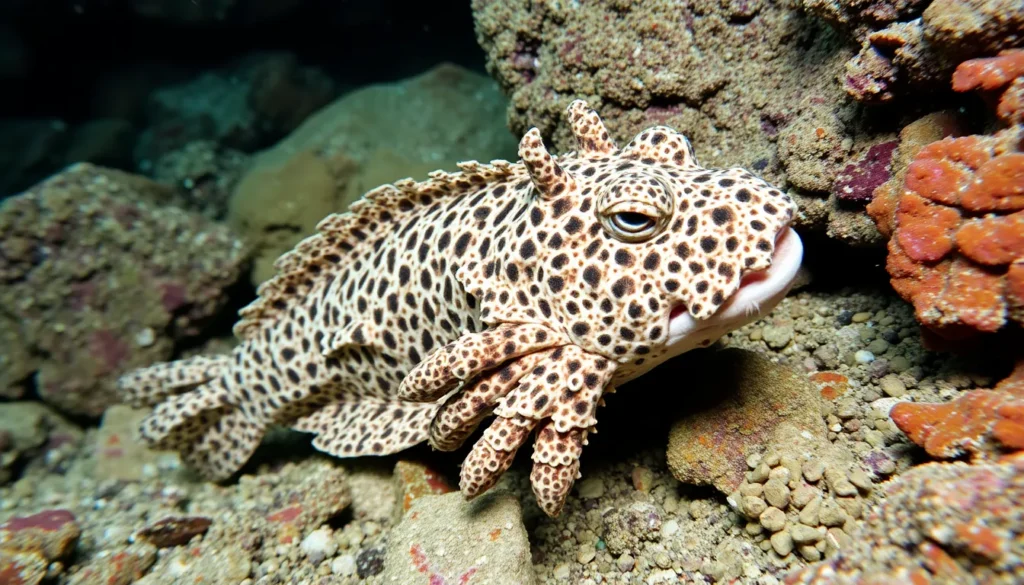
The stonefish’s ability to blend in with its surroundings is unparalleled. Its body is covered in a rough, textured skin that resembles rocks and coral, allowing it to remain virtually undetectable to both predators and prey. - Venomous Spines
Stonefish possess 13 dorsal spines that can deliver a potent venom. When threatened, they erect these spines, which can cause excruciating pain and even death in humans. - Habitat Diversity
Stonefish are found in shallow waters, primarily in the Indo-Pacific region. They prefer coral reefs, sandy bottoms, and mangrove areas where they can effectively camouflage. - Ambush Predators
Stonefish are ambush predators, remaining still for extended periods until they strike at unsuspecting prey, such as small fish and crustaceans. - Rapid Color Change
Stonefish can change their color to enhance camouflage, adapting to different substrates in their environment. - Powerful Venom
The venom of the stonefish is considered one of the most potent among fish species. It contains neurotoxins that can affect the cardiovascular and nervous systems. - Behavioral Adaptations
Stonefish often bury themselves in sand or mud, exposing only their spines to avoid detection by predators. - Reproductive Strategies
Stonefish are oviparous, laying eggs that are fertilized externally. Their reproductive habits vary by species, with some exhibiting complex courtship behaviors. - Low Mobility
Stonefish are not strong swimmers; they primarily rely on their camouflage and ambush techniques rather than speed to catch prey. - Human Encounters
Encounters with stonefish can be dangerous. In regions where they are common, many accidents occur due to people stepping on them. - First Aid for Stonefish Stings
Immediate treatment for a stonefish sting includes immersing the affected area in hot water to neutralize the toxins, followed by seeking medical attention. - Role in Ecosystem
As predators, stonefish help maintain the balance of marine ecosystems by controlling populations of smaller fish and invertebrates. - Conservation Status
While not currently endangered, habitat destruction and climate change pose potential threats to stonefish populations. - Coloration Variability
Different species of stonefish exhibit varying colors and patterns, which enhances their ability to blend into different environments. - Longevity
Stonefish can live for several years in the wild, with some species documented to live over 10 years. - Venom Composition
The venom of stonefish includes a mix of proteins and enzymes, which can cause severe pain, swelling, and tissue damage. - Symbiotic Relationships
Some marine organisms, such as cleaner wrasses, have been observed interacting with stonefish, potentially aiding in the removal of parasites. - Impact of Overfishing
Overfishing in some regions can affect the population dynamics of stonefish, leading to increased competition for food. - Adaptation to Environmental Changes
Stonefish have demonstrated resilience to environmental changes, although ongoing habitat degradation may challenge their survival. - Public Awareness
Educational programs about stonefish and their habitats aim to reduce accidental stings and promote conservation efforts. - Scientific Research
Ongoing research into stonefish venom has potential medical applications, including pain management and the development of new pharmaceuticals.
Habitat and Behavior
Stonefish inhabit the warm coastal waters of the Indo-Pacific region, favoring habitats such as coral reefs, estuaries, and sandy or muddy bottoms. Their behavior is characterized by a sedentary lifestyle, often remaining motionless for long periods. This strategy allows them to ambush unsuspecting prey. They are also known to exhibit a unique behavior of burying themselves in the substrate while only exposing their venomous spines, enhancing their camouflage and protection against predators.
Why This Animal Matters
Stonefish play a crucial role in marine ecosystems by maintaining the population of smaller fish and invertebrates. Their predation contributes to the overall health of coral reef systems. Moreover, understanding stonefish venom may lead to advancements in medical research, particularly in pain relief. As indicators of environmental health, stonefish populations can reflect changes in marine ecosystems due to pollution or climate change, emphasizing the importance of ongoing conservation efforts.
Common Misconceptions
Misconception: Stonefish are aggressive and attack humans.
Correction: Stonefish are not aggressive; they rely on their camouflage and do not actively seek out human encounters. Most stings occur accidentally when people step on them.
Misconception: All stonefish species are equally venomous.
Correction: While all stonefish have venom, the potency can vary significantly among species, with some being more dangerous than others.
FAQ
What should I do if stung by a stonefish?
Immerse the sting site in hot water and seek immediate medical attention.
Are stonefish dangerous to divers?
Stonefish can pose a danger to divers, particularly if they accidentally step on them.
Can stonefish change color?
Yes, they can adapt their coloration to blend in with their surroundings.



Leave a Reply