
Short Answer
21 Facts About Hedgehog Quills
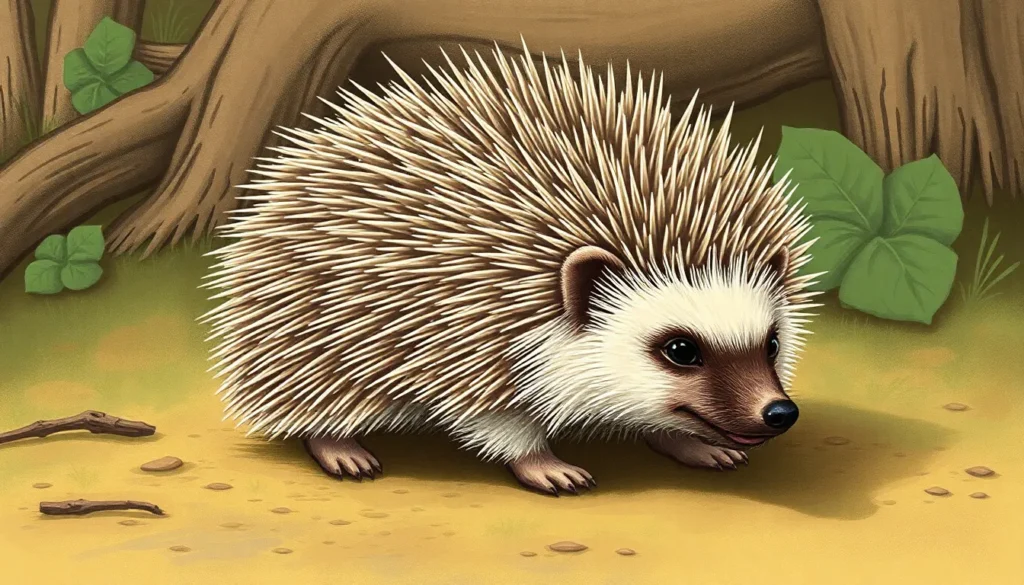
- Quills Are Modified Hairs Hedgehog quills are actually modified hairs made of keratin, similar to human hair and nails.
- Number of Quills An adult hedgehog can have between 5,000 to 7,000 quills on its body, providing significant protection.
- Quills Are Sharp The tips of quills are sharp and can easily penetrate the skin of predators, serving as a defense mechanism.
- Color Variation Hedgehog quills come in various colors, including brown, black, and even white, depending on the species.
- Quills Can Fall Out Hedgehogs can lose quills as part of a natural process called quilling, especially when they are young.
- Regeneration When hedgehogs lose quills, they can regenerate them over time, though this may take several months.
- Quills and Temperature Regulation Quills can help regulate body temperature, acting as insulation during colder months.
- Defensive Behavior When threatened, hedgehogs curl into a ball, causing their quills to protrude and deter potential attackers.
- Hygiene and Maintenance Hedgehogs regularly groom their quills to keep them clean and free from parasites.
- Quills and Communication Some studies suggest that quills may play a role in hedgehog communication, particularly during mating rituals.
- Quill Density The density of quills varies by species, with some having more dense coverage for better protection.
- Quills and Mites Hedgehogs can host various mites and parasites, which often inhabit their quills.
- Quills and Evolution The evolution of quills provides insights into how hedgehogs have adapted to survive in their environments.
- Quill Structure Each quill consists of a hollow shaft, which makes them lightweight yet strong enough for defense.
- Quills and Predation Predators of hedgehogs, such as foxes and birds of prey, often avoid them due to their quills.
- Quill Lifespan The lifespan of a hedgehog’s quills can vary but generally lasts several years before falling out.
- Quills and Habitat Hedgehogs inhabit various environments, from gardens to forests, where their quills offer essential protection.
- Quill Color Changes As hedgehogs age, the color of their quills may change, often becoming lighter or grayer.
- Hedgehog Species Different species of hedgehogs have varying quill characteristics, adapted to their unique habitats.
- Quills in Folklore Hedgehog quills have appeared in various cultural folklore as symbols of protection and defense.
- Quills vs. Spines Although often referred to as spines, hedgehog quills are technically not spines but modified hairs.
Habitat and Behavior
Hedgehogs are primarily nocturnal creatures, inhabiting a variety of environments, including woodlands, grasslands, and suburban gardens. They are known for their solitary nature and often create nests in dense vegetation or burrows. Hedgehogs forage for food at night, primarily feeding on insects, worms, and small invertebrates. Their ability to curl into a tight ball when threatened is a key survival strategy, as it presents their quills outward and protects vulnerable body parts.
Why This Animal Matters
Hedgehogs play a crucial ecological role by helping control insect populations. They contribute to the health of their ecosystems by preying on pests that can harm plants and crops. Culturally, hedgehogs are often featured in literature and folklore, symbolizing protection and resilience. Conservation efforts are increasingly important as hedgehog populations face threats from habitat loss and urbanization, highlighting the need to protect these unique animals.
Common Misconceptions
FAQ
How do hedgehogs use their quills for protection?
Hedgehogs curl into a ball, making their quills point outward to deter predators.
Can hedgehogs feel pain from their own quills?
Hedgehogs have a thick skin that protects them from the sharp tips of their own quills.
Do hedgehogs lose quills permanently?
No, hedgehogs can lose and regenerate quills as needed.




Leave a Reply