
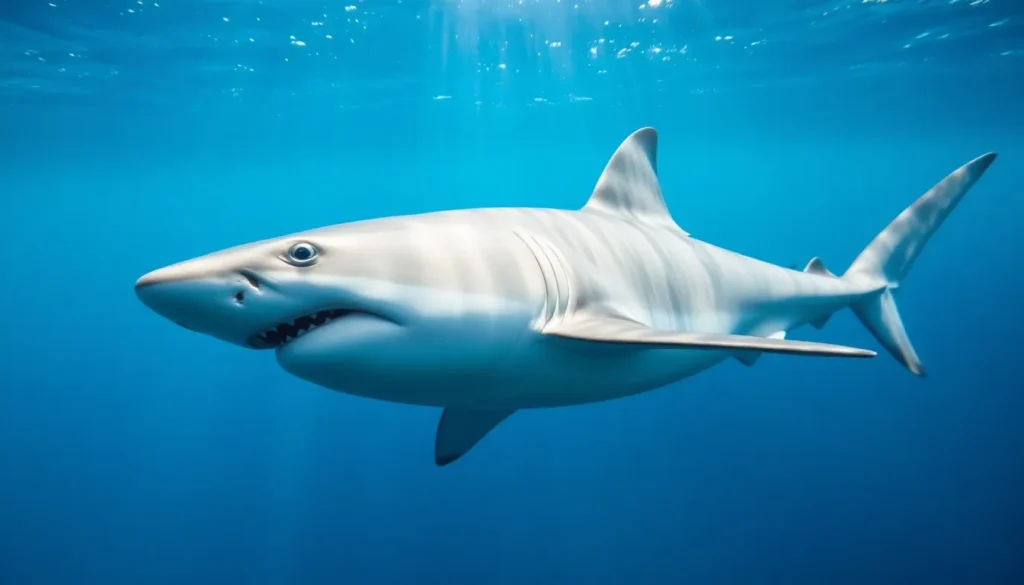
Short Answer
21 Facts About Mako Sharks
- Two Species: There are two recognized species of mako sharks: the shortfin mako (Isurus oxyrinchus) and the longfin mako (Isurus paucus).
- Fastest Shark: The shortfin mako shark is considered the fastest shark species, capable of swimming at speeds up to 60 miles per hour (97 km/h).
- Size Range: Mako sharks typically measure between 2.5 to 4 meters (8 to 13 feet) in length, with some individuals exceeding these sizes.
- Streamlined Bodies: Their bodies are streamlined and built for speed, with pointed snouts and long gill slits aiding in oxygen intake during rapid swimming.
- Endothermic Ability: Unlike many sharks, makos can regulate their body temperature, which allows them to maintain muscle efficiency in cooler waters.
- Global Distribution: Mako sharks inhabit temperate and tropical waters worldwide, often found in offshore open ocean environments.
- Diet: Their diet primarily consists of bony fish such as tuna, mackerel, and swordfish, as well as cephalopods like squid.
- Hunting Style: Mako sharks are active predators that rely on speed and agility to catch fast-moving prey.
- Reproduction: They are ovoviviparous, meaning embryos develop inside eggs that remain within the mother’s body until they hatch.
- Gestation Period: The gestation period for mako sharks is estimated to be about 15 to 18 months.
- Litter Size: Females typically give birth to between 4 and 25 pups per litter, depending on species and size.
- Longevity: Mako sharks can live up to 30 years, although exact lifespans are still being studied.
- Teeth Structure: They have sharp, pointed teeth designed to grasp slippery prey rather than crush.
- Conservation Status: The shortfin mako is currently listed as endangered by the IUCN due to overfishing and bycatch.
- Commercial Value: Mako sharks are targeted for their meat and fins, which has contributed to population declines.
- Sport Fishing: They are prized game fish due to their speed and powerful fighting ability when caught on rod and reel.
- Migration: Mako sharks undertake long-distance migrations, sometimes crossing entire ocean basins.
- Behavior: Generally solitary, makos can sometimes be observed in small groups during feeding or mating seasons.
- Role in Ecosystem: As apex predators, makos help regulate fish populations and maintain marine ecosystem balance.
- Scientific Research: Mako sharks are studied for their unique physiology, including their endothermic capabilities and swimming mechanics.
- Interaction with Humans: While attacks on humans are rare, makos are considered potentially dangerous due to their speed and power.
Habitat and Behavior
Mako sharks are primarily oceanic sharks, preferring deep offshore waters but occasionally venturing closer to coastal areas. The shortfin mako is more common and widely distributed in temperate and tropical seas, while the longfin mako is less frequently encountered and tends to inhabit warmer waters. Their endothermic ability enables them to thrive in a range of temperatures, allowing for extensive migratory behavior. They are solitary hunters that rely on exceptional speed and agility to capture fast prey such as tuna and swordfish. Mako sharks are known to leap out of the water, a behavior called breaching, which might be related to hunting or parasite removal. Their reproductive strategy involves internal fertilization and ovoviviparity, with pups born fully formed and relatively large compared to other shark species.
Why This Animal Matters
Mako sharks play a vital ecological role as apex predators, helping to maintain the health and balance of marine ecosystems by controlling populations of mid-level predatory fish. Their presence indicates a healthy, functioning ocean environment. Additionally, they have cultural and economic importance, especially in sport fishing communities where they are valued for their fighting ability. However, their populations have been declining due to overfishing and bycatch, raising conservation concerns. Protecting mako sharks is essential for preserving ocean biodiversity and ensuring sustainable fisheries. Scientific research on mako sharks also contributes to understanding shark physiology, which can have broader implications for marine biology and conservation strategies.
Common Misconceptions
Misconception: Mako sharks are mindless killers that frequently attack humans.
Correction: Mako sharks are generally shy and attacks on humans are rare. Most encounters occur when the shark feels threatened or confused.

Misconception: All mako sharks are the same species.
Correction: There are two distinct species of mako sharks: shortfin and longfin, each with different physical characteristics and habitat preferences.
Misconception: Mako sharks cannot survive in cooler waters.
Correction: Thanks to their ability to regulate body temperature, mako sharks can inhabit a wider range of water temperatures, including cooler regions.
FAQ
How fast can a mako shark swim?
The shortfin mako shark is the fastest shark species, capable of swimming up to 60 miles per hour (97 km/h), which helps it catch swift prey.
Are mako sharks dangerous to humans?
Mako sharks are generally not aggressive towards humans, and attacks are rare. They may become defensive if provoked or accidentally caught.
What is the conservation status of mako sharks?
The shortfin mako shark is currently listed as endangered due to overfishing and bycatch, whereas the longfin mako is less studied but also vulnerable.


Leave a Reply