
Short Answer
21 Facts About Pet Turtles
- Turtles have a protective shell. The shell is made of bone and cartilage and serves as a shield against predators and environmental hazards.
- Pet turtles can live for several decades. Some species have lifespans exceeding 40 years in captivity if properly cared for.
- Turtles are ectothermic (cold-blooded) animals. They rely on external heat sources to regulate their body temperature.
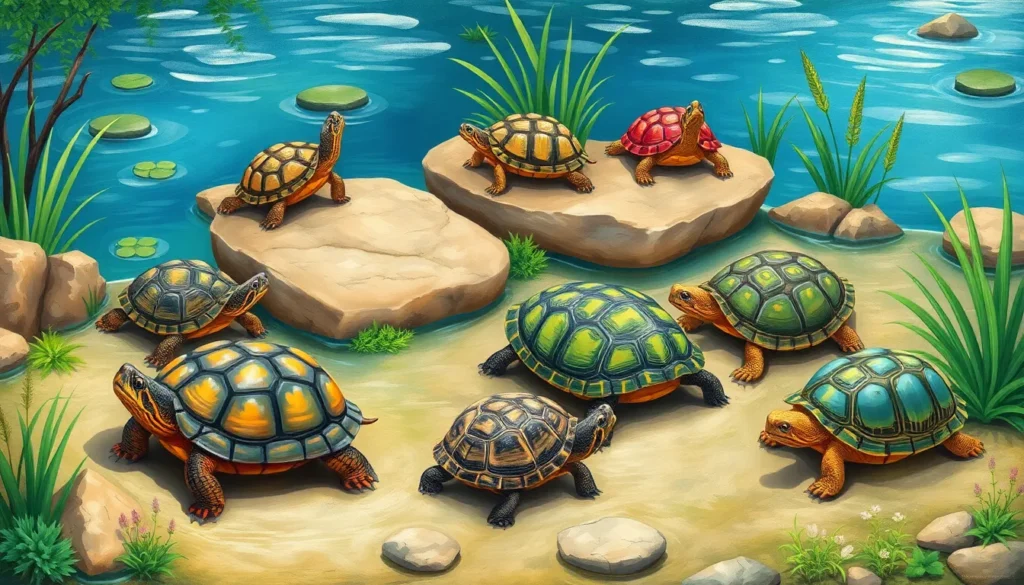
- Pet turtles require both aquatic and basking areas. Many species are semi-aquatic and need water for swimming and land areas for basking in heat and ultraviolet light.
- Turtles have a varied diet. Depending on the species, they may be herbivorous, carnivorous, or omnivorous, eating plants, insects, fish, or commercial turtle food.
- Turtles have poor hearing but an excellent sense of smell. They use smell to locate food and navigate their environment.
- Some turtle species can hold their breath for several hours underwater. This ability helps them evade predators and survive in aquatic habitats.
- Pet turtles grow slowly. Their growth rate depends on species, diet, and environmental conditions.
- Turtles have a slow metabolism. This means they require less food compared to similarly sized mammals or birds.
- Many turtles exhibit temperature-dependent sex determination. The incubation temperature of eggs can influence whether hatchlings are male or female.
- Turtles have been kept as pets for centuries. Historical evidence shows that turtles were valued in various cultures for companionship and symbolism.
- Pet turtles need UVB lighting. UVB rays are essential for synthesizing vitamin D3, which supports calcium metabolism and shell health.
- Turtles can recognize their owners. While not as social as mammals, some turtles respond to feeding routines and familiar humans.
- Turtles are generally solitary animals. They do not require companionship and can sometimes become territorial in confined spaces.
- Proper filtration is critical in turtle aquariums. Turtles produce significant waste, requiring efficient water filtration to maintain health.
- Handling turtles can pose health risks. They may carry Salmonella bacteria, so hygiene is important when interacting with them.
- There are over 300 species of turtles worldwide. Only some species are commonly kept as pets, such as red-eared sliders and painted turtles.
- Pet turtles require a balanced diet to avoid shell deformities. Nutritional deficiencies, especially in calcium and vitamin D3, can cause metabolic bone disease.
- Turtles communicate primarily through body language. They use head movements and limb gestures to signal stress or aggression.
- Seasonal changes affect turtle behavior. Many species brumate (a form of dormancy) during colder months to conserve energy.
- Conservation efforts impact pet turtle availability. Some species are protected, and wild collection for pets is regulated to prevent population declines.
Habitat and Behavior
Pet turtles commonly originate from a variety of habitats, including freshwater ponds, rivers, marshes, and coastal regions. Their behavior is largely influenced by the need for both aquatic environments for swimming and terrestrial spaces for basking. Turtles rely on basking to regulate their body temperature and enable physiological processes such as digestion and immune function. They are generally solitary, territorial creatures that prefer to live alone except during mating seasons. Their diet in the wild is diverse, ranging from aquatic vegetation and algae to small invertebrates and fish, reflecting their adaptability to different environments. In captivity, maintaining a habitat that mimics these conditions is essential for their health and well-being.
Why This Animal Matters
Turtles play a significant ecological role as both predators and prey within aquatic and terrestrial ecosystems. They contribute to the balance of aquatic vegetation and help control insect and small animal populations. Additionally, turtles serve as bioindicators of environmental health due to their sensitivity to pollution and habitat changes. Culturally, turtles have symbolic importance in many societies, representing longevity, endurance, and stability. Conservation-wise, many turtle species face threats from habitat destruction, pollution, and illegal pet trade. Protecting turtles not only preserves biodiversity but also maintains ecosystem integrity and cultural heritage.
Common Misconceptions
Misconception: Turtles can survive on a diet of only lettuce.
Correction: While turtles may eat lettuce, it lacks sufficient nutrients, especially calcium and protein, which are essential for their health. A varied diet tailored to the species is necessary.
Misconception: Pet turtles do not require UVB lighting because they live indoors.
Correction: UVB lighting is crucial for vitamin D3 synthesis, necessary for calcium absorption and shell development, regardless of whether turtles are kept indoors or outdoors.
Misconception: Turtles are low-maintenance pets.
Correction: Turtles require specialized habitats, proper diet, regular cleaning, and long-term commitment due to their lifespan and care needs.
Misconception: Turtles can be handled frequently without stress.
Correction: Frequent handling can stress turtles, potentially affecting their health. They should be handled minimally and gently.
Misconception: All turtles are aquatic.
Correction: While many turtles are aquatic or semi-aquatic, some species are primarily terrestrial, such as tortoises, which have different care requirements.
FAQ
How long do pet turtles usually live?
Pet turtles typically live between 20 and 40 years, with some species living much longer when provided proper care.
What kind of habitat should I provide for a pet turtle?
A suitable habitat includes a water area for swimming, a dry basking spot with access to UVB lighting, and a temperature gradient to allow thermoregulation.
Can turtles carry diseases harmful to humans?
Yes, turtles can carry Salmonella bacteria, which can be transmitted to humans. Proper hygiene, including washing hands after handling turtles or their environments, is important.




Leave a Reply