
Short Answer
21 Facts About Endangered Animal Species
- Endangered species are at high risk of extinction. The International Union for Conservation of Nature (IUCN) classifies species as endangered when they face a very high risk of extinction in the wild.
- Habitat loss is the leading cause of endangerment. Deforestation, urbanization, and agriculture reduce the natural environments many species rely on.
- Many endangered animals are keystone species. Their presence supports ecosystem stability and biodiversity.
- Poaching significantly threatens certain endangered species. Illegal hunting for fur, ivory, or other body parts continues despite international bans.
- Climate change exacerbates risks for many species. Altered weather patterns affect food availability and breeding cycles.
- Some endangered species have very limited geographic ranges. For example, the vaquita is found only in a small area of the northern Gulf of California.
- Conservation efforts can lead to population recovery. The American bald eagle, once endangered, has rebounded due to legal protections.
- Genetic diversity is often low in endangered populations. This can reduce resilience to disease and environmental changes.
- Many endangered species are apex predators. Their loss can cause trophic cascades affecting entire ecosystems.
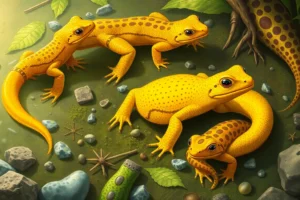
- Endangered amphibians are declining globally. Factors include habitat destruction, pollution, and fungal diseases like chytridiomycosis.
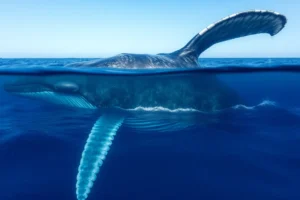
- Marine species are also at risk. Overfishing and ocean pollution threaten species such as the green sea turtle and certain shark populations.
- Endangered species can have cultural significance. Many indigenous communities have spiritual or traditional connections with local wildlife.
- Captive breeding programs support endangered species recovery. Zoos and breeding centers help maintain populations and genetic diversity.
- Illegal wildlife trade remains a critical problem. It affects species such as pangolins, rhinos, and tigers.
- Some species are critically endangered with fewer than 100 individuals left. The northern white rhinoceros is an example, with only a few surviving in captivity.
- Endangered species often require international cooperation for protection. Migratory animals like sea turtles cross multiple national boundaries.
- Public awareness campaigns raise support for endangered species conservation. These efforts can influence policy and funding.
- Some endangered animals are indicators of environmental health. Their decline signals broader ecosystem problems.
- Reintroducing species into their native habitats is a complex process. Success depends on habitat quality and threat mitigation.
- Endangered species play important roles in ecotourism. Responsible tourism can provide economic incentives for conservation.
- Scientific research on endangered species informs conservation strategies. Studies on behavior, genetics, and ecology help optimize protection efforts.
Habitat and Behavior
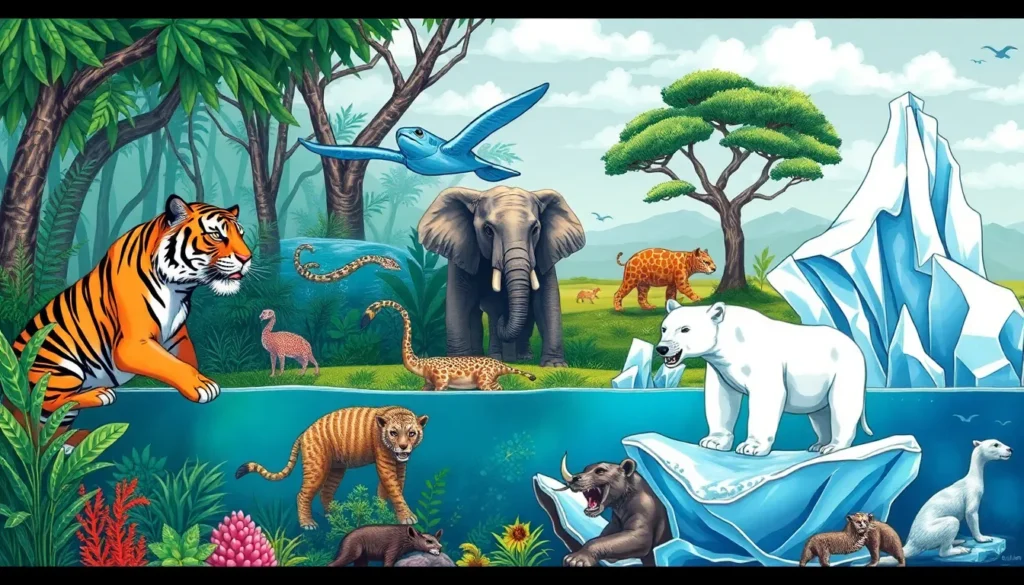
Endangered animal species inhabit a wide range of ecosystems across the globe, including tropical rainforests, savannas, coral reefs, wetlands, and polar regions. Their survival strategies vary from solitary hunting to complex social structures. Many rely on specific habitat conditions such as temperature, vegetation, or prey availability. Behaviorally, some endangered species are nocturnal to avoid predators or human contact, while others migrate seasonally to exploit resources. The destruction or alteration of these habitats often disrupts their life cycles, affecting feeding, breeding, and shelter. Conservation efforts frequently focus on protecting or restoring these natural environments to support the species’ continued existence.
Why This Animal Matters
Endangered species contribute significantly to their ecosystems by maintaining ecological balance. Apex predators regulate prey populations, herbivores influence vegetation growth, and pollinators assist plant reproduction. Their loss can lead to cascading effects that degrade habitats and reduce biodiversity. Beyond ecological roles, many endangered animals hold cultural and symbolic importance for human societies, representing heritage and identity. Protecting these species also supports broader environmental health, which benefits agriculture, water quality, and climate regulation. Conservation of endangered animals is thus integral not only to biodiversity preservation but also to sustaining human well-being and global ecological stability.
Common Misconceptions
Misconception: Endangered animals are rare because they are weak or less fit.
Correction: Species become endangered primarily due to human activities like habitat destruction and poaching, not inherent weakness.
Misconception: All endangered species live in remote, inaccessible areas.
Correction: Many endangered animals live near human populations and are affected by urban expansion and pollution.
Misconception: Conservation efforts are futile because extinction is natural.
Correction: While extinction is a natural process, current rates are accelerated by humans, and conservation can effectively prevent many extinctions.
Misconception: Captive breeding alone can save endangered species.
Correction: Captive breeding helps but must be combined with habitat protection and threat mitigation to ensure survival in the wild.
Misconception: All endangered species are large and charismatic animals.
Correction: Many endangered species are small, obscure, or less known but equally important ecologically.
FAQ
What qualifies a species as endangered?
A species is classified as endangered by the IUCN when it faces a very high risk of extinction in the wild due to factors such as rapid population decline or severely restricted range.
How can individuals help endangered species?
People can support conservation by reducing habitat destruction, supporting wildlife protection laws, avoiding products made from endangered species, and contributing to conservation organizations.
Are all endangered species protected by law?
Many endangered species receive legal protection at national and international levels, but enforcement and coverage vary, and some species remain vulnerable due to lack of regulation or insufficient resources.

Leave a Reply