
Short Answer
21 Facts About Oribis (Antelopes)
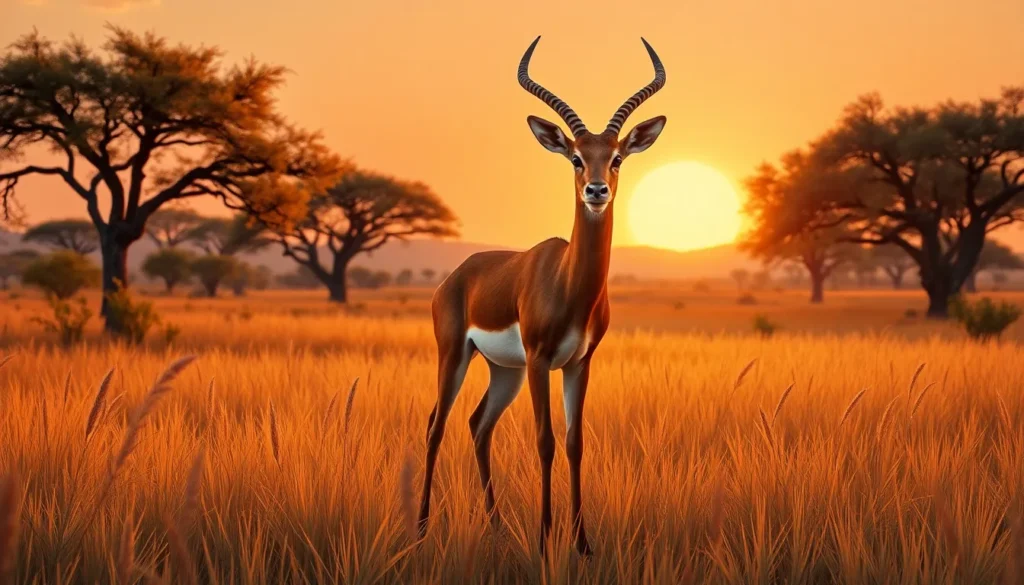
- Small size: Oribis are among the smaller antelope species, standing about 50 to 67 centimeters at the shoulder.
- Distinctive markings: They have a reddish-brown coat with white underparts and a characteristic white ring around the eyes.
- Solitary animals: Oribis are generally solitary or found in pairs rather than large herds, unlike many other antelope species.
- Territorial males: Male oribis are territorial and mark their areas with scent glands on their faces and feet.
- Habitat preferences: They prefer grasslands, savannas, and open woodlands with access to water.
- Diet: Oribis mainly graze on short grasses but may also browse on leaves and shoots occasionally.
- Adaptations for speed: They are agile and fast runners, which helps them evade predators.
- Predators: Common predators include large birds of prey, jackals, leopards, and wild dogs.
- Reproduction: Females typically give birth to a single calf after a gestation period of about six months.
- Calf behavior: Newborn calves often remain hidden in dense vegetation for protection during their first weeks of life.
- Communication: Oribis use vocalizations, scent marking, and body posture to communicate.
- Activity patterns: They are mostly active during the early morning and late afternoon to avoid midday heat.
- Lifespan: In the wild, oribis live around 8 to 10 years, though this can vary.
- Social hierarchy: Male oribis maintain dominance through displays and sometimes fights to secure territories.
- Conservation status: While some oribi populations are stable, habitat loss and hunting have threatened others.
- Water dependence: Oribis require regular access to water sources but can survive short dry periods.
- Antlers versus horns: Like other antelopes, oribis have permanent horns that males use for defense and dominance displays.
- Geographic range: They are found across various countries in eastern and southern Africa, including Kenya, Tanzania, and South Africa.
- Camouflage: Their coat color helps them blend into the dry grass and woodland environments.
- Role in ecosystem: As grazers, oribis help maintain grassland health and provide prey for predators.
- Scientific classification: The oribi belongs to the genus Ourebia, with the species name Ourebia ourebi.
Habitat and Behavior
Oribis inhabit a variety of habitats in sub-Saharan Africa, favoring open grasslands, savannas, and lightly wooded areas. They often select habitats near water sources, which are essential for their survival. These antelopes are primarily solitary or live in pairs, with males holding territories that they defend through scent marking and displays. Oribis are adapted to a crepuscular lifestyle, being most active during dawn and dusk to avoid the heat of midday. Their diet mainly consists of short grasses, but they may occasionally browse on leaves and shoots. Their agility and speed are critical adaptations that enable them to escape predators in their open habitats.
Why This Animal Matters
Oribis play an integral role in their ecosystems as grazers, helping to maintain the balance and health of grassland and savanna environments. By feeding on grasses, they contribute to vegetation control, which benefits many other species. Additionally, oribis serve as prey for a variety of predators, thus supporting the food web. Their presence can be an indicator of ecosystem health. From a conservation perspective, oribis highlight the challenges of habitat loss and hunting pressures faced by many African antelope species. Protecting oribi populations contributes to broader biodiversity conservation goals.
Common Misconceptions
Misconception: Oribis live in large herds like many other antelope species.
Correction: Oribis are typically solitary or found in small groups, such as pairs, rather than large herds.
Misconception: Only male oribis have horns.
Correction: In the oribi species, only males possess horns; females do not have horns.
Misconception: Oribis are adapted to dry desert environments.
Correction: Oribis prefer grasslands and savannas with access to water and are not desert specialists.
FAQ
What distinguishes oribis from other antelopes?
Oribis are smaller in size, typically solitary or in pairs, and have distinctive white eye rings and reddish coats that differentiate them from other antelope species.
Where are oribis commonly found?
Oribis inhabit grasslands, savannas, and open woodlands across sub-Saharan Africa, including countries like Kenya, Tanzania, and South Africa.
Are oribis endangered?
While some oribi populations remain stable, others face threats from habitat loss and hunting. Their conservation status varies regionally, with some populations considered vulnerable.



Leave a Reply