
Short Answer
Bluebirds, with their resplendent plumage and melodious calls, embody a sense of joy and vitality that captivates the hearts of many. These diminutive avians serve not only as a symbol of happiness but also play a crucial role in their ecosystems. Here, we explore ten cheerful facts about bluebirds that might just shift your perspective and inspire a newfound curiosity about these enchanting creatures.
1. A Palette of Vibrant Colors
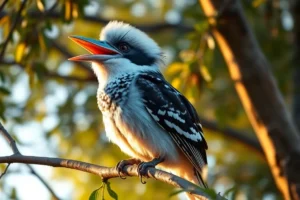
The bluebird’s dazzling hues are more than skin-deep. The males are particularly striking, exhibiting a cobalt blue that glimmers like the sky on a bright day, complemented by a warm, rusty red on their chests. This colorful display is a manifestation of structural coloration, where microscopic structures in their feathers refract light. Observing their brilliance can instantly uplift one’s spirit, serving as a reminder of nature’s artistry.
2. Nature’s Singers
Bluebirds possess a melodic repertoire that resonates throughout their habitats. Their songs, often reminiscent of chimes, are not merely for show. These vocalizations serve to establish territory and attract mates during the breeding season. Listening to the gentle cooing of a bluebird can evoke nostalgia, transporting one to sun-dappled meadows and bucolic settings, where the simplicity of life reigns supreme.
3. Advocates of Biodiversity
These charming birds play an integral role in maintaining ecological balance. Bluebirds are insectivores, feasting on a diet primarily composed of insects, such as beetles and grasshoppers, thereby aiding in the control of pest populations. Their foraging habits contribute to a healthy environment, reminding us of the interconnectedness of all living things. By nurturing bluebird populations, we can foster biodiversity.
4. The Art of Nesting
Bluebirds display remarkable craftsmanship when building their nests. Utilizing a medley of materials—dried grasses, pine needles, and feathers—they meticulously create a warm and secure haven for their young. Nesting cavities are often sought in tree hollows or human-made boxes, showcasing how adaptable these birds are to their surroundings. Observing their diligent efforts can inspire admiration for the innate creativity found within the animal kingdom.
5. Symbolism of Hope
In various cultures, bluebirds represent hope, renewal, and the arrival of spring. Their presence often signals a turn towards brighter days, with their cheerful colors cutting through the monochrome of winter. This duality of existence serves as a poignant reminder: even in the bleakest of times, joy can prevail, and transformation is always within reach.
6. Long-Distance Travelers
Many bluebirds are migratory, embarking on journeys that can span hundreds of miles between their breeding and wintering grounds. The eastern bluebird, for instance, migrates from the northern United States to warmer regions in the southern states or even Mexico. This seasonal pilgrimage not only showcases their resilience but also serves as a metaphor for persistence—a quality everyone can aspire to.
7. Guardians of the Meadow
Bluebirds are known to favor open fields, meadows, and pastures. This preference for expansive, uncluttered spaces makes them incredible allies in agricultural environments, where they contribute to pest control. Their delight in wide open spaces can encourage a different view of farmland—not just as a site of production, but as a habitat for diverse life forms that thrive alongside crops.
8. Cooperative Breeders
A fascinating aspect of bluebird behavior is their tendency to engage in cooperative breeding, particularly noted in the western bluebird species. In certain instances, young bluebirds from previous broods assist their parents in rearing the next generation. This selfless act fosters a sense of community and altruism, showcasing the beauty of collaboration among wildlife.
9. Cherished Companions
Bluebirds have transcended the natural world to become beloved symbols in folklore and literature. Their depiction as messengers of optimism and joy permeates stories, poems, and artistic expressions. This interconnectedness with human culture reveals how nature inspires creativity, encouraging individuals to embrace hope and revel in the wonders of the world around them.
10. Conservation Success Stories
Conservation efforts have notably bolstered bluebird populations in North America, particularly through the establishment of bluebird nest box programs. Enthusiastic volunteers and wildlife organizations have dedicated themselves to providing suitable nesting sites, resulting in a resurgence of these charming birds. This harmonious interaction between humanity and nature exemplifies the positive outcomes that stem from conservation efforts, fostering optimism for future generations.
In conclusion, bluebirds are far more than mere avian inhabitants of our landscapes; they embody the spirit of resilience, collaboration, and joy. By understanding their role within the ecosystem, appreciating their vibrant presence, and acknowledging their cultural significance, we open ourselves to a world awash with wonder. Let the bluebird be a reminder that nature, in all its forms, can invoke positivity and inspire a shift in perspective, urging us to cherish the beauty around us.
FAQ
What are bluebirds known for?
Bluebirds are known for their vibrant colors, melodious songs, and roles in maintaining ecological balance.
How do bluebirds contribute to biodiversity?
Bluebirds help control insect populations, which contributes to ecological balance and biodiversity.
What do bluebirds symbolize?
In various cultures, bluebirds symbolize hope, renewal, and the arrival of spring.


Leave a Reply