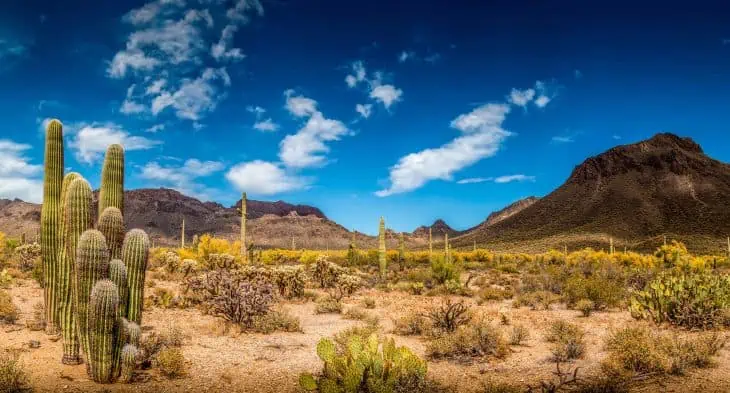
Deserts are often perceived as barren wastelands, characterized solely by relentless heat and parched sands. But did you know that these seemingly desolate regions are home to a complex and vibrant ecosystem? With extremes in temperature and unique adaptations, deserts offer fascinating insights into the wonders of nature. Here, we explore special facts about the desert, delving into the habitats, heat, and hidden life that flourish in these arid environments.
1. The Diverse Types of Deserts
Deserts are not all created equal. They can be categorized into four primary types: hot, semi-arid, coastal, and cold deserts. Hot deserts, like the Sahara, experience scorching temperatures and minimal rainfall. Semi-arid deserts, such as the Great Basin, encounter slightly more precipitation, fostering a variety of plant life. Coastal deserts, found along the edges of continents, enjoy milder temperatures and misty air. Finally, cold deserts, like the Gobi, showcase extreme temperature fluctuations, both in summer and winter.
2. Temperature Extremes
When we think of deserts, sweltering heat often comes to mind. Indeed, some of the highest recorded temperatures have been in deserts, with record highs exceeding 134°F (56.7°C). However, deserts can also experience stark temperature drops at night, sometimes plunging as low as 32°F (0°C). This dramatic thermal contrast poses challenges to survival, compelling flora and fauna to develop unique adaptations.
3. Adaptations for Survival
The inhabitants of deserts showcase exceptional adaptations suited for survival in an inhospitable environment. Many plants, like the saguaro cactus and the Joshua tree, possess specialized features such as thick, waxy skins to minimize water loss and deep root systems to tap into subterranean moisture. Animals, too, have evolved remarkable traits: the fennec fox possesses large ears that dissipate heat, while the kangaroo rat can survive without ever drinking water, extracting hydration from the seeds it consumes.
4. The Role of Dunes and Soil
Dunes are iconic desert features, created by the relentless forces of wind. These ever-shifting landscapes not only shape the desert’s topography but also influence local microclimates. Fine grains of sand can become compacted, leading to nutrient-poor soils. However, some desert flora have adapted to these conditions, establishing intricate root systems that stabilize the sandy substrate and encourage the accumulation of organic matter over time.
5. Hidden Ecosystems
Densely packed within the desert’s seemingly lifeless exterior lies a treasure trove of biodiversity. Below the surface, a myriad of microorganisms creates a hidden ecosystem, playing crucial roles in nutrient cycling and soil formation. These microscopic entities break down organic matter, facilitating the growth of plants. Though much of this activity occurs beneath the naked eye, it is a foundational component of the desert’s intricate ecological web.
6. Behavioral Adaptations of Animals
The behavioral adaptations of desert animals are noteworthy. Many species exhibit nocturnal behavior, becoming active only at night when temperatures cool. This shift minimizes exposure to daytime heat, enabling them to hunt and forage more effectively. Additionally, some creatures possess the ability to enter a state of torpor, significantly reducing their metabolic rates until favorable conditions return.
7. Water: A Scarce Resource
Water scarcity is the defining characteristic of deserts. In many cases, annual rainfall averages only a few inches. Some organisms have evolved ingenious means of capitalizing on this limited resource. For instance, the desert tortoise can go months without water, relying instead on moisture from the vegetation it consumes. Likewise, rainy periods can rejuvenate the desert landscape almost instantaneously, leading to a vibrant explosion of color from wildflowers and other plants.
8. Cultural and Historical Significance
Throughout history, deserts have played pivotal roles in human cultures. Many ancient civilizations, like the Mesopotamians and Indigenous tribes of North America, thrived in arid regions by mastering water conservation systems and developing unique agricultural practices. Today, deserts continue to inspire artists, writers, and explorers, embodying the beauty and danger of untamed landscapes.
9. The Enigmatic Wildlife of Deserts
Deserts are teeming with unique and, at times, perplexing wildlife. From the elusive horned lizard to the majestic desert bighorn sheep, these creatures possess intriguing adaptations tailored for desert life. The sidewinder rattlesnake exhibits a peculiar sideways movement to evade the scorching sands, while the regal roadrunner showcases impressive speed in pursuit of prey, including smaller reptiles and insects.
10. Conservation Challenges
Despite their resilience, desert ecosystems face myriad threats due to climate change, habitat destruction, and human encroachment. Overexploitation of resources can lead to the extinction of species and further depletion of already scarce water supplies. Conservation efforts must focus on sustainable practices to preserve the delicate balance of life in these ecosystems; otherwise, invaluable biodiversity may be lost forever.
In conclusion, the desert is far more than meets the eye. Its extreme conditions foster remarkable adaptations, hidden life forms, and richly diverse ecosystems. Consider the challenge: What would you do to survive in this harsh environment? Engaging with the mysteries of the desert prompts us to reflect on our relationship with nature and the incredible resilience of life against all odds. By understanding and appreciating these resilient habitats, we pave the way for more sustainable interactions with our planet’s unique environments.