When it comes to pasta, spaghetti seems to reign supreme, making its way into countless kitchens and dining tables across the world. While it is often relegated to the status of a comfort food, spaghetti possesses a complex nutritional profile that deserves a closer look. Here, we delve into some surprising insights that might shift your perspective on this ubiquitous noodle.
1. The Carb Conundrum
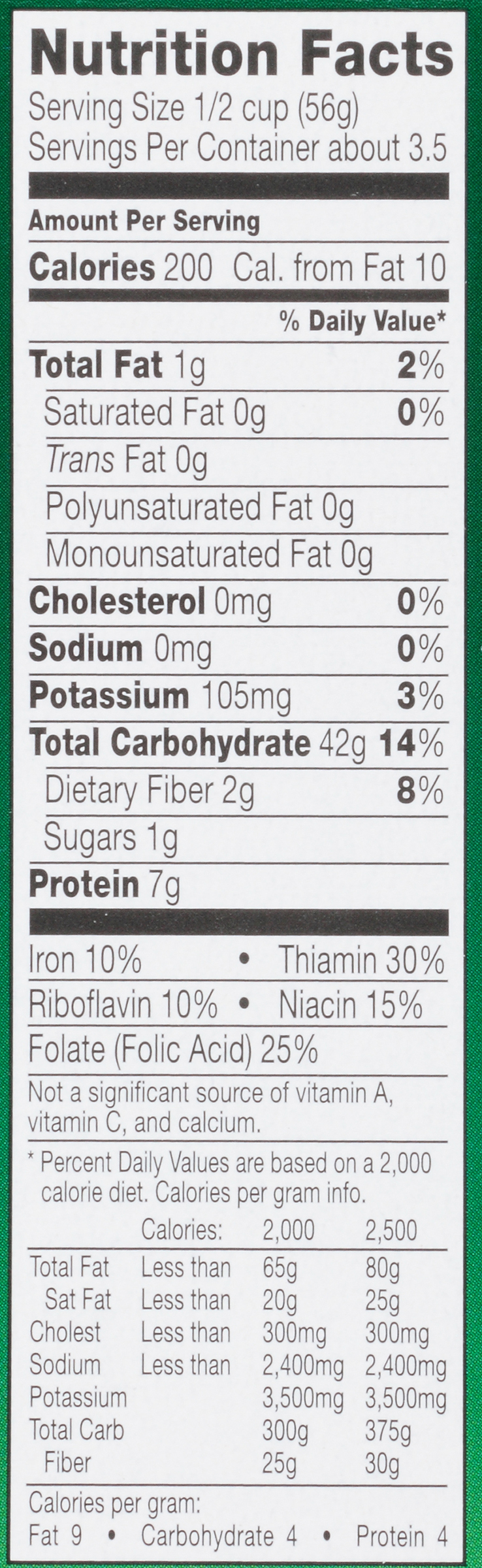
Spaghetti is predominantly composed of carbohydrates, which are essential for energy. However, not all carbs are created equal. The fiber content in whole grain spaghetti, for example, plays a critical role in digestion and can help regulate blood sugar levels. Regular pasta contains approximately 40 grams of carbohydrates per 1-cup serving, while whole grain varieties often boast higher fiber content, contributing to a more gradual release of energy and improved satiety.
2. Protein Power
While spaghetti isn’t primarily known for its protein content, it does contain a modest amount. A typical serving offers around 7-8 grams of protein, which can serve as a complement to other protein-rich ingredients. Pairing spaghetti with legumes, meats, or cheese can enhance its protein profile, making it a more rounded dish. For those seeking a higher protein intake, options like chickpea or lentil spaghetti provide an alternative that can boost protein levels significantly.
3. Nutritional Variability
Not all spaghetti is created equal. The choice between refined white spaghetti and whole grain options can have dramatic implications for nutrition. Whole grain spaghetti often retains the bran and germ of the wheat grain, thus preserving vital nutrients such as B vitamins, iron, and magnesium. Switching to whole grain varieties can thus provide vital nutrients that support energy metabolism and red blood cell production.
4. The Gluten Debate
The gluten composition in traditional wheat spaghetti can be a concern for individuals with celiac disease or gluten sensitivity. Fortunately, the market has exploded with gluten-free alternatives, ranging from rice noodles to innovative options made from vegetables like zucchini or squash. These alternatives often offer varied nutritional benefits—zucchini noodles, for instance, are low in calories and high in vitamins C and A.
5. Low in Fat, High in Satiety
Spaghetti is inherently low in fat, but it becomes a canvas for flavor and nutrition by the sauces and toppings it garners. A simple marinara sauce can enhance its nutrient profile with tomatoes rich in antioxidants like lycopene, while a pesto made from fresh herbs can provide beneficial fats from olive oil and nuts. Experimentation with sauces can lead to a surprisingly nutrient-dense meal.
6. A Culinary History
Beyond nutrition, understanding the origins of spaghetti adds a fascinating layer to its status. Spaghetti hails from Italy, where it was first documented in the 12th century. The traditional preparation methods and regional variations speak to not just a nutritional choice, but a cultural connection that transcends generations. Such historical insights can deepen one’s appreciation for this beloved dish.
7. Portion Size and Eating Habits
Portion control plays a pivotal role in how spaghetti fits into a balanced diet. A standard serving of cooked spaghetti is often larger than necessary, leading to unnecessary caloric intake. By being mindful of portion sizes—perhaps sticking to one cup—you can enjoy spaghetti while maintaining a balanced approach to calories. Pairing with vegetables and proteins can aid in achieving a satiating meal without excess carbs.
8. The Role of Pairings
The nutritional value of spaghetti can be significantly enhanced by thoughtful pairings. Adding a varied array of vegetables—such as spinach, bell peppers, or mushrooms—not only boosts fiber content but also infuses the dish with vitamins and minerals. Incorporating diverse additives like avocados or nuts can further elevate the nutrient quotient, transforming a basic pasta dish into a nutrient-dense meal.
9. Spaghetti and Sustainability
In recent years, there is growing awareness of sustainability in food choices. Traditional wheat production has environmental impacts, leading to interest in alternative grains and legumes for spaghetti. Opting for pasta made from chickpeas or lentils not only diversifies your plate but also aligns with a growing movement towards sustainable nutrition.
10. The Mediterranean Influence
Spaghetti often finds itself at the heart of the Mediterranean diet, celebrated for its health benefits. This diet emphasizes whole grains, fruits, vegetables, healthy fats, and moderate dairy, presenting a holistic approach to nutrition. Incorporating spaghetti within this framework aligns with recommendations for heart health and longevity.
11. Culinary Versatility
The versatility of spaghetti stands as one of its most alluring attributes. It can be served hot or cold, in soups, or as a salad, and can incorporate an array of flavors and spices. This versatility not only makes it easy to incorporate into various dietary preferences but also ensures that it remains a staple across diverse cuisines, from Italian to Asian.
In conclusion, spaghetti is more than just a source of carbs; it presents a rich tapestry of nutritional benefits and culinary potential waiting to be explored. Shifting your perspective on this beloved pasta may reveal not only its importance in a balanced diet but also its versatility that can satisfy both palate and body. By making informed choices about portion sizes, ingredients, and cooking methods, you can enjoy all that spaghetti has to offer while maintaining a mindful approach to nutrition.