
Short Answer
Leopards, with their enigmatic allure and feline prowess, inhabit a world that serves as an intricate tapestry of survival and majesty. These remarkable creatures are often the subject of fascination for wildlife enthusiasts and casual observers alike. Below are a plethora of intriguing facts about leopards, underscoring their stealthy adaptations, unique behaviors, and fierce grace.
1. Adaptable Habitat: Leopards possess an extraordinary versatility in their habitat preferences. They can thrive in various environments ranging from savannas and grasslands to dense forests and mountainous terrains. This adaptability allows them to maintain populations across Africa and parts of Asia. Their ability to utilize diverse habitats makes them one of the most widespread big cats.
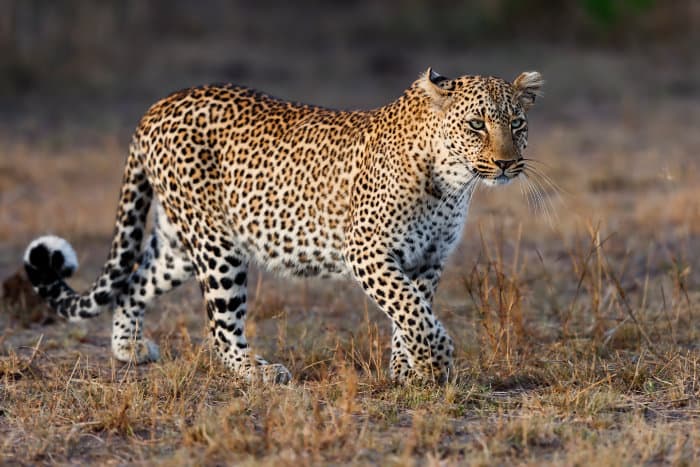
2. Master of Stealth: Often referred to as the “ghost of the forest,” leopards have evolved exceptional stealth capabilities. Their rosette-patterned fur plays a pivotal role in this aspect, providing effective camouflage within a myriad of natural settings. This cryptic coloration enables leopards to ambush their prey with startling stealth, enhancing their ability to become unseen predators.
3. Solitary Nature: Unlike lions, which often form prides, leopards are fundamentally solitary creatures. Adult leopards mark their territories using scent markings and vocalizations. Each leopard establishes a territory that can span several square miles, vital for ensuring a sufficient supply of prey while minimizing competition with other leopards.
4. Opportunistic Feeders: Leopards exhibit a diverse diet that reflects their adaptability. While they predominantly hunt medium-sized prey such as antelope and deer, they are opportunistic feeders capable of tackling a wide range of animals. From rodents to monkeys, leopards will seize any chance to secure food. Their dietary flexibility is a significant factor in their evolutionary success.
5. Innovative Hunting Techniques: This species employs a variety of hunting strategies, demonstrating both intelligence and creativity. Leopards are known for their ability to stalk prey quietly from a distance, utilizing cover to inch closer before launching a sudden sprint. Additionally, they often hunt nocturnally, taking advantage of the cover of darkness to improve their success rates.
6. Climbing Experts: Leopards are remarkable climbers, possessing both the strength and agility required to ascend trees with ease. This arboreal capability serves multiple purposes; it allows them to evade larger predators, store food away from scavengers, and find vantage points to observe their surroundings. Tree-dwelling also enables leopards to stay safe while resting or nursing their young.
7. Deathly Grip: The physical prowess of leopards is not merely aesthetic. They possess exceptionally strong jaws and retractable claws, which they utilize to secure their prey effectively. The grip of a leopard is so tenacious that it can hold its catch many times its own weight, allowing it to hoist larger vertebrates into the trees, far from competing carnivores.
8. Vocal Comunication: Although largely solitary, leopards communicate effectively through a variety of vocalizations ranging from growls and snarls to purrs and roars. These sounds serve as a mode of signaling territory, attracting mates, or warning others of their presence. Notably, their distinctive call echoes through the night, eerily resonating in the otherwise still air.
9. Unique Spot Patterns: Each leopard has a distinct pattern of rosettes on its fur, akin to a fingerprint in humans. Scientists can identify individual leopards based on these unique markings, which also aid in camouflage. The variation in patterns is stark, with regional differences lending insight into the evolutionary adaptations of leopards based on their environment.
10. Cub Survival Rates: Leopard cubs face numerous challenges in their early lives, resulting in a relatively low survival rate. The mother provides crucial care during their early months, teaching them essential skills for hunting and evasion. Depending on food availability and environmental factors, weaning occurs around three months; however, cubs may rely on their mothers for sustenance and safety for up to two years.
11. Geographic Variability: There are several subspecies of leopards, each exhibiting unique characteristics informed by their habitat and geographical location. The African leopard, Indian leopard, and Arabian leopard, for instance, differ in size, coat coloration, and behavioral traits, showcasing a fascinating example of adaptive variation across distinct ecosystems.
12. Conservation Status: While leopards are classified as “Near Threatened” on the IUCN Red List, their populations face significant threats from habitat loss, poaching, and conflict with humans. Conservation efforts are in place to protect these majestic big cats, emphasizing the need for habitat preservation and human-wildlife coexistence as crucial components to their survival.
13. Cultural Significance: Throughout history, leopards have held significant cultural symbolism across various societies. They are often associated with power, agility, and stealth. In literature and folklore, they serve as motifs of strength and cunning, influencing art, fashion, and storytelling in myriad cultures.
14. The Future of Leopards: Ongoing research and conservation initiatives aim to safeguard the fate of leopards for future generations. Understanding their behavior, habitat dynamics, and ecological roles provides invaluable insights that inform conservation strategies. Promoting coexistence between humans and leopards remains paramount to ensuring these magnificent creatures continue to grace our planet.
In conclusion, leopards exemplify nature’s intricate design, combining beauty with raw power. Their adaptability, profound hunting prowess, and solitary grace captivate the human imagination. As we work to comprehend and protect these stunning creatures, the awareness of their ecology becomes increasingly essential, ensuring their legacy as icons of wilderness and resilience. Through ongoing conservation efforts, the future may still hold a place for leopards in the rich tapestry of our natural world.
FAQ
What is the habitat range of leopards?
Leopards inhabit diverse environments, including savannas, grasslands, dense forests, and mountainous terrains across Africa and parts of Asia.
How do leopards communicate?
Leopards communicate through various vocalizations, including growls, snarls, purrs, and roars, which serve purposes like signaling territory and attracting mates.





Leave a Reply