Colombia, a vibrant and diverse country located in the northwestern region of South America, is renowned not only for its breathtaking landscapes but also for its rich cultural tapestry. Two vivid threads in this cultural fabric are the nation’s coffee culture and its striking colors. This article delves into fascinating aspects of both, revealing why Colombia stands out on the global stage.
Coffee Culture in Colombia
1. Home of Arabica Coffee
Colombia is one of the largest producers of high-quality Arabica coffee worldwide, known for its smooth and mild flavor. Arabica beans thrive in the country’s high altitude regions, particularly in the Coffee Triangle, which encompasses the states of Caldas, Quindío, and Risaralda. This unique altitude contributes to the beans’ unparalleled taste, which aficionados have come to love.
2. The Coffee Cultural Landscape
Designated as a UNESCO World Heritage site, Colombia’s Coffee Cultural Landscape is a visually stunning area that showcases the intricate relationship between coffee cultivation and the surrounding environment. Visitors are treated to lush green hills dotted with coffee plants and charming traditional farms. This landscape represents not just a geographic area but a lifestyle deeply engrained in Colombia’s identity.
3. Traditional Coffee Farming Techniques
Colombian coffee farmers, known as “cafeteros,” often employ centuries-old techniques, including hand-picking the coffee cherries at their peak ripeness. This meticulous process ensures that only the finest beans are harvested. Farmers take pride in their familial traditions, passing down knowledge and practices through generations, synonymous with quality and dedication.
4. Café Etiquette
In Colombian culture, sharing a cup of coffee transcends mere consumption; it is a cherished social ritual. A traditional “tinto,” or black coffee, is offered to guests as a warm gesture of hospitality. The country has its own café etiquette, typically involving the use of specific cups and methods of preparation, elevating the experience into an art form that is celebrated across the nation.
5. Global Coffee Festival
Each year, Colombia hosts the National Coffee Festival, which draws coffee enthusiasts from around the globe. This celebration features vibrant parades, cultural displays, and, of course, an abundance of coffee tastings. Attendees can immerse themselves in the local culture, learning about the various brewing methods and enjoying live music and dancing, making it a quintessential Colombian experience.
Colors of Colombia
6. Vibrant Flora and Fauna
Colombia’s diverse ecosystems, ranging from the Amazon rainforest to the Andes mountains, foster an extraordinary variety of plant and animal life. The country claims the title of the second-most biodiverse nation on the planet. This diversity is not only crucial for conservation but also ensures that vibrant colors span the landscape, from the breathtaking hues of birds such as the Resplendent Quetzal to the mesmerizing colors of tropical flowers like orchids.
7. Colorful Towns and Architecture
Colombia is home to several towns known for their distinctive color palettes. Guatapé, for instance, is adorned with vibrant zócalos—colorful bas-reliefs at the base of buildings depicting local stories. Likewise, Villa de Leyva features whitewashed colonial architecture accented by colorful doorways and window frames, providing striking contrasts that reflect the country’s rich history and craftsmanship.
8. The Carnival of Barranquilla
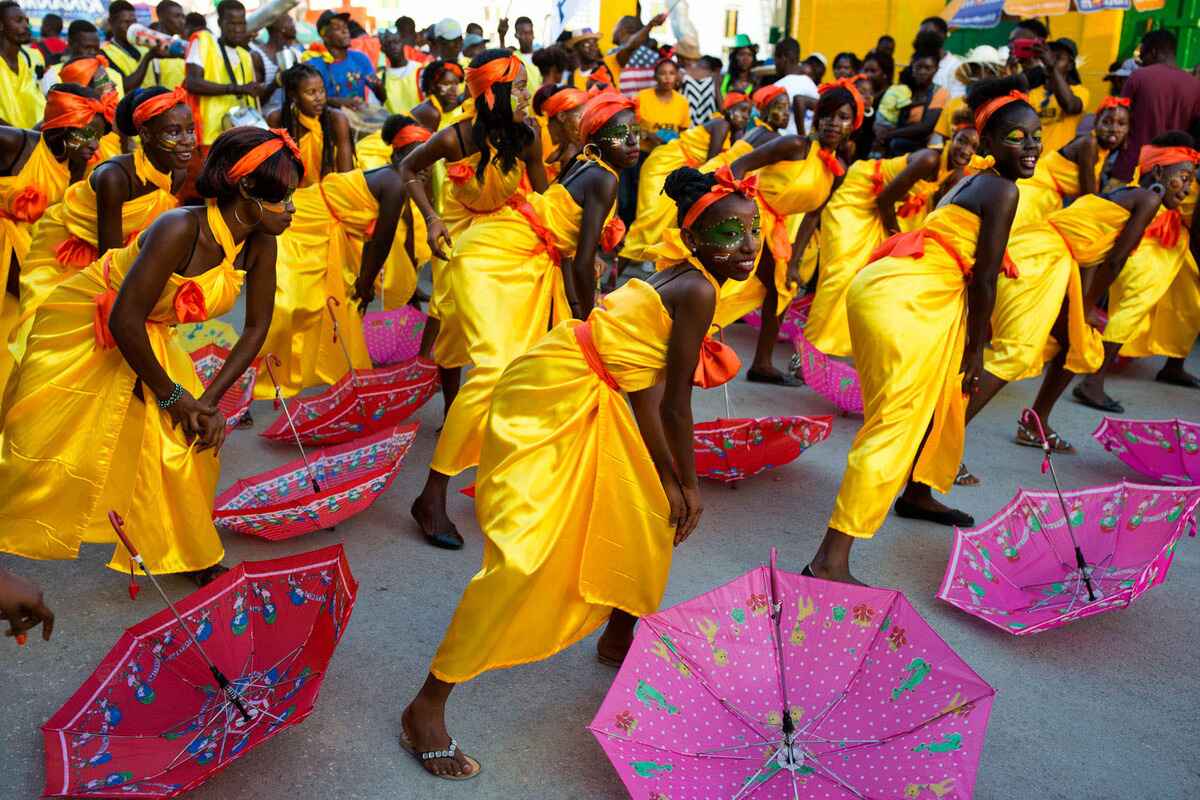
Esteemed as one of the largest and most colorful carnivals in the world, the Barranquilla Carnival showcases the exuberance of Colombian culture. Held annually before Lent, this festival features a riot of colors through elaborate costumes, traditional dances, and lively music. It blends indigenous, African, and European influences, culminating in a cultural extravaganza that attracts both locals and tourists alike.
9. Vibrant Textiles and Crafts
Colombian artisans create stunning textiles that reflect the region’s rich heritage. From the intricate patterns of Wayuu mochilas to the colorful ponchos of the Andean communities, these crafts are not only a testament to artistic ingenuity but also serve as means of preserving cultural stories and traditions. Each piece tells a narrative steeped in history and identity, showcasing the vibrancy of Colombian culture.
10. Street Art and Murals
Urban centers like Bogotá have emerged as canvases for creative expression through street art. The vast collection of murals depicting everything from political messages to cultural themes adds layers of color and meaning to the city. This art movement has garnered international attention, positioning Colombia as a cultural beacon in contemporary art dialogue while enriching the urban atmosphere.
In summation, Colombia’s coffee culture and rich array of colors entwine to create a compelling narrative about the country’s identity. From the meticulous traditions of coffee cultivation to the dazzling vibrancy of its communities and natural landscapes, every aspect tells a story ripe for exploration. For those seeking a multifaceted cultural experience, Colombia presents a stunning tableau of flavors and hues that will leave an indelible mark on any visitor.