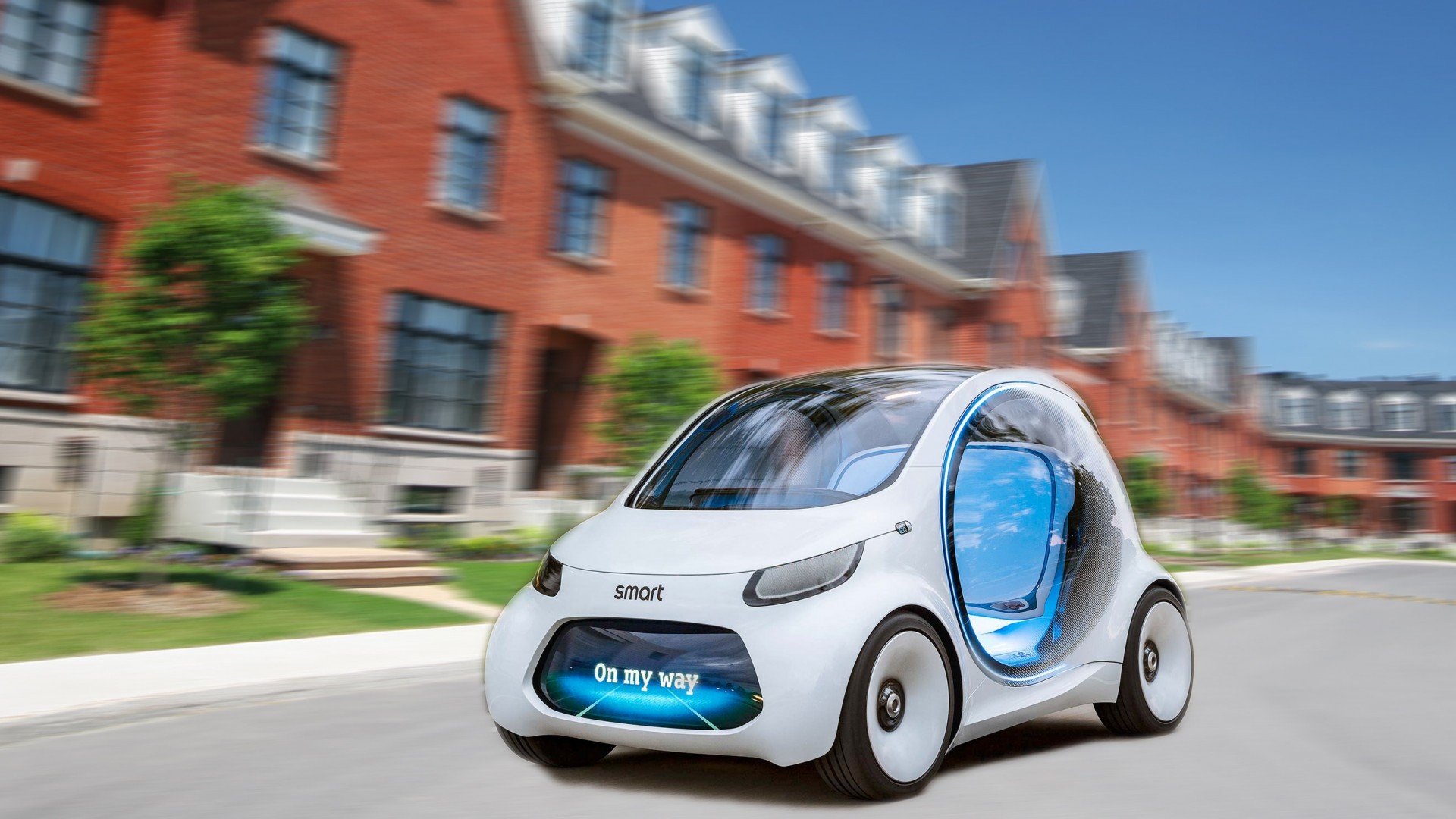
Driverless cars, or autonomous vehicles, are one of the most exciting advancements in technology today. They not only promise to change how we think about transportation but also ignite the imagination of young minds everywhere. Here’s a transformative journey into the realm of driverless cars, designed specifically for kids, brimming with curiosity, wonder, and facts.
1. The Basics of Driverless Cars
Driverless cars are vehicles that can navigate and operate without a human driver. Using sophisticated technology, including sensors, cameras, and artificial intelligence, these cars can see their surroundings, make decisions, and drive safely. Imagine a car that can think and react like a human, but with even faster reflexes!
2. How Do They Work?
To understand how driverless cars function, picture a superhero with incredible vision. These cars use devices called sensors that scan the environment. They collect information about objects, road signs, and other vehicles around them. The most common types of sensors include:
- Lidar: Think of it as a 3D flashlight. Lidar uses laser beams to create a detailed map of the car’s surroundings.
- Radar: This technology sends out radio waves to detect objects around the car. It’s excellent for measuring distance and speeds.
- Cameras: Just like human eyes, cameras capture images of the surroundings, helping the car recognize things like traffic lights and pedestrians.
All this data is processed using advanced algorithms, enabling the car to make split-second decisions, ensuring a safe journey.
3. The Different Levels of Autonomy
Driverless cars are categorized into levels, which express how much human involvement is needed in the driving process. These levels range from 0 to 5:
- Level 0: No automation. The driver is completely responsible for all tasks.
- Level 1: Driver assistance. The car may help with one task, like steering or braking, but the driver is still in charge.
- Level 2: Partial automation. The car can handle some driving tasks, but a human must monitor everything.
- Level 3: Conditional automation. The car can manage all tasks in certain situations but expects the driver to take over when needed.
- Level 4: High automation. The car can fully drive itself in specific conditions, like a city or highway.
- Level 5: Full automation. The car doesn’t need any human intervention at all. It’s entirely self-sufficient!
Understanding these levels helps kids visualize how close we are to having fully autonomous vehicles on the road.
4. Benefits of Driverless Cars
Driverless cars could revolutionize transportation, offering numerous advantages:
- Safety: With the potential to reduce accidents by decreasing human error, these cars could save thousands of lives every year.
- Convenience: Imagine reading a book or playing a game while the car drives you to school or a friend’s house!
- Accessibility: For people who are unable to drive, such as the elderly or those with disabilities, driverless cars promise newfound independence and mobility.
- Efficient Traffic Flow: Autonomous vehicles can communicate with each other to optimize routes, potentially reducing traffic jams.
These benefits not only inspire excitement but also paint a futuristic picture of how transportation could look in the coming years.
5. Challenges Ahead
Despite the numerous advantages, several challenges remain in the development of driverless cars:
- Ethics: Difficult questions arise about how driverless cars should react in emergencies. The decisions made during critical situations and how they prioritize human life can be complex.
- Legal and Insurance Issues: Who is responsible in the event of an accident? These questions need clear answers as the technology evolves.
- Technology Limitations: Not all roads are equipped with technology that driverless cars depend on. Navigating poor weather conditions can also pose challenges.
Overcoming these obstacles requires innovative thinking and collaborative efforts from developers, lawmakers, and society.
6. The Future of Driverless Cars
As technology continues to advance, so will the capabilities of driverless cars. Some possible futuristic scenarios include:
- Smart Cities: Entire cities designed with autonomous vehicles in mind. This could lead to less pollution, better public transport, and safer roadways.
- Shared Riding Services: Imagine a world where fewer people own cars and rely instead on fleets of driverless taxis that come when called!
- Environmental Impact: Electric and driverless vehicles could significantly reduce carbon emissions, contributing to a healthier planet.
With every innovation, the future appears brighter, inviting children to imagine the thrilling possibilities that technology brings.
7. Conclusion: The Power of Imagination
Driverless cars are not just about technology; they represent a shift in how we envision our world. By inspiring curiosity and creativity, kids can actively participate in discussions about the future of transportation. These cars engage young minds, paving the way for the innovators, problem-solvers, and thinkers who will shape our tomorrow. So, buckle up and get ready for a breathtaking ride into the future!