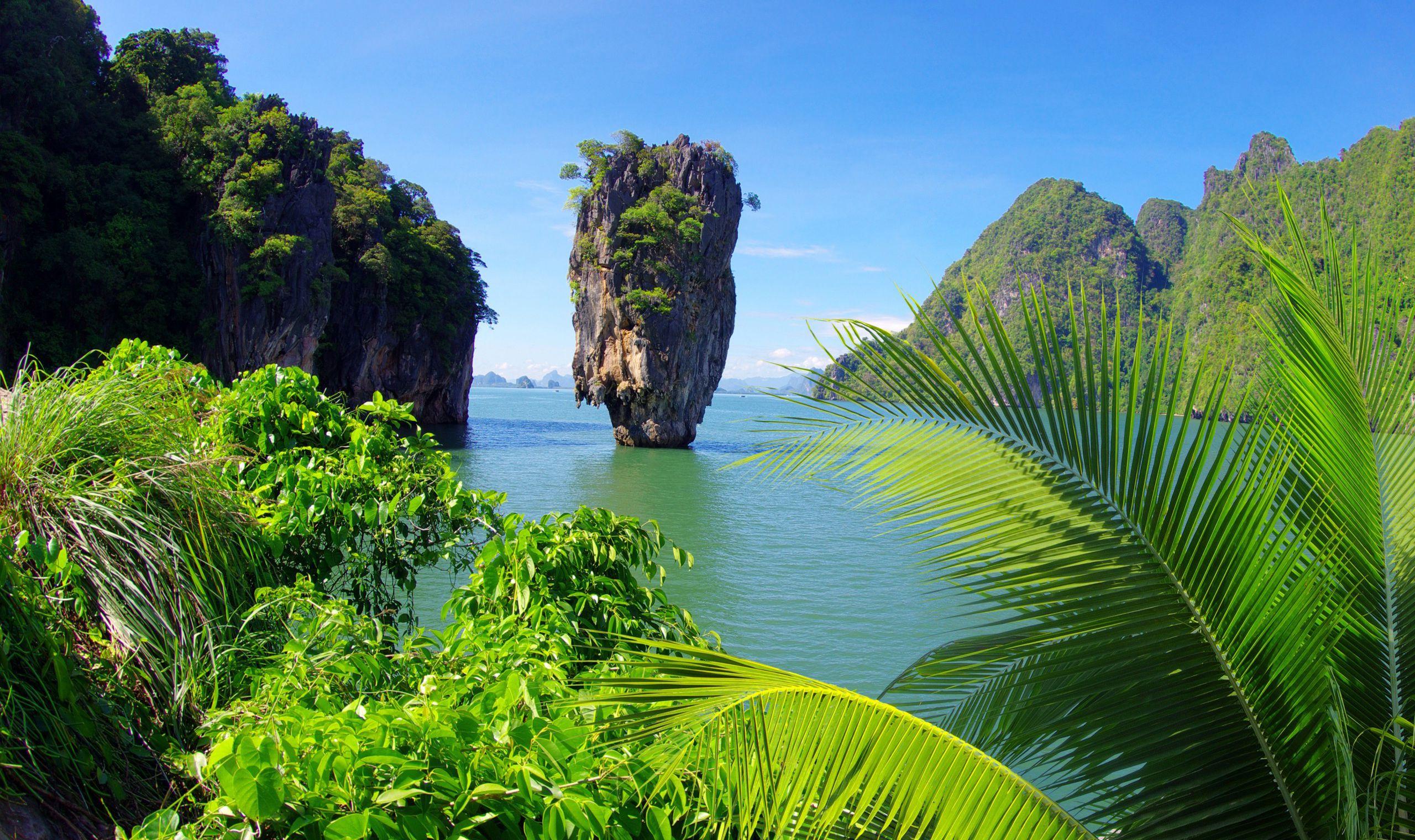
Australia, often perceived as a land of sunburnt landscapes and bustling urban centers, is a veritable treasure trove of unique phenomena and eclectic biodiversity. From its storied indigenous cultures to its idiosyncratic fauna, Australia presents a myriad of marvels worth exploring. The following is a comprehensive compilation of astounding facts about this remarkable continent, highlighting its distinct environmental and cultural tapestry.
1. Indigenous Heritage
Australia is home to the world’s oldest living cultures, with Aboriginal Australians and Torres Strait Islanders having inhabited the land for over 65,000 years. This long-standing connection to the land is reflected in their rich traditions, complex languages, and intricate art forms. More than 250 distinct languages were spoken prior to European colonization, a testament to the diverse social structures that flourished across the continent.
2. Geographical Extremes
The geographical diversity of Australia is nothing short of extraordinary. From the arid expanses of the Outback to the verdant rainforests of Queensland, Australia boasts a plethora of ecosystems. It is the only continent that is also a single country, encompassing approximately 7.7 million square kilometers of land. The nation is home to the largest coral reef system in the world, the Great Barrier Reef, which stretches over 2,300 kilometers and houses a staggering variety of marine life.
3. The Great Dividing Range
The Great Dividing Range, the longest mountain range in Australia, extends from the northernmost tip of Queensland down to Victoria, spanning more than 3,500 kilometers. Not only does this mountainous barrier influence Australia’s climate, providing fertile regions for agriculture and horticulture, but it also hosts numerous national parks, teeming with flora and fauna unique to the region.
4. A Continent of Extremes
Australia’s climate varies substantially from one region to another. The northern areas experience a tropical climate, while the south endures a temperate climate with distinct seasonal changes. The interior of the continent is dominated by arid and semi-arid conditions. Australia is also home to some of the hottest recorded temperatures, with the town of Oodnadatta reaching a blistering 50.7 degrees Celsius in 1960.
5. Unique Wildlife
Australia’s wildlife is surreal and unparalleled. The continent is home to approximately 1,700 species of vertebrates found nowhere else on Earth. Iconic animals include kangaroos, koalas, wombats, and platypuses. Remarkably, roughly 85% of these species are endemics, showcasing an evolutionary lineage all their own. The platypus, a monotreme, is particularly fascinating as it lays eggs despite being a mammal.
6. Venomous Creatures
Australia is notorious for its menagerie of venomous creatures. The box jellyfish, one of the most poisonous animals, inhabits its northern waters, while snakes such as the inland taipan, regarded as the most venomous snake in the world, are found in many regions. However, fatalities from encounters with these creatures are rare, thanks to advancements in antivenom and widespread public awareness.
7. Quirky Flora
Not only does Australia boast a plethora of unique fauna, but its plant life is equally fascinating. The Wollemi Pine, initially discovered in 1994, was believed to be extinct for millions of years. This living fossil is considered one of the world’s rarest plants, adding to Australia’s botanical lore. Furthermore, the vivid blooms of the Sturt’s Desert Pea and the imposing eucalyptus trees showcase the vibrancy of the continent’s horticultural heritage.
8. Diverse Ecosystems
Australian ecosystems range from arid deserts and dense rainforests to temperate woodlands and coastal regions. These diverse habitats are home to more than 90 distinct ecosystems, which include the remarkable ecosystems of Daintree Rainforest, which is over 180 million years old and considered one of the world’s oldest rainforests. Each ecosystem harbors unique species that play critical roles in maintaining ecological balance.
9. The Outback: Beyond the Familiar
The Australian Outback is often romanticized yet remains a mysterious expanse, characterized by its remote, rugged terrain. It represents about 70% of the continent and is marked by red deserts, salt lakes, and dramatic rock formations such as Uluru. This iconic sandstone monolith is sacred to the Anangu people, emphasizing the cultural significance of the land.
10. A Nation of Striking Paradoxes
Australia holds some of the world’s most populous cities, yet expansive stretches of its landscape remain pristine and untouched. With a population density that is among the lowest globally, cities like Sydney and Melbourne thrive, showcasing a vibrant urban lifestyle that exists in harmony with the stunning natural environments that permeate this land of contrasts.
Conclusion
Australia, with its distinctive cultural and biological diversity, captivates both residents and visitors alike. The confluence of ancient traditions and modern developments, coupled with a rich tapestry of unique ecosystems, positions Australia as a remarkable destination for exploration and discovery. The country’s extraordinary wildlife and breathtaking landscapes continue to inspire curiosity and appreciation for one of the most unique continents on our planet.