
Short Answer
When it comes to automobiles, most people see them as mere tools for transportation. However, delve a little deeper, and you’ll uncover a treasure trove of peculiarities, nuances, and quirks that can fundamentally alter your driving experience. Here are 15 strange yet fascinating facts about cars that will not only pique your curiosity but may also shift your perspective on the art of driving.
1. **The Origin of the Word “Car”**: The term “car” descends from the Latin word “carrus,” referring to a two-wheeled vehicle. This ancient tether to transportation history reminds us that driving is interwoven with the very fabric of human progress.
2. **Your Car’s Color Affects Its Temperature**: Ever noticed how black cars sear under the sun while lighter colors remain cooler? This phenomenon isn’t merely aesthetic; darker vehicles absorb more heat. Understanding this can guide your choice of car color, especially in sunnier climates.
3. **Driving with Shoes Off**: Although it may sound counterintuitive, navigating your vehicle barefoot can enhance your sense of connection with the pedals. Many adept drivers argue that without the cushion of footwear, you experience heightened sensitivity and control—a fact that invites consideration for those long, monotonic commutes.
4. **Animal Attraction**: Interesting driving dynamics can occur when you encounter wildlife. Studies reveal that deer and other creatures are drawn to headlights. This can lead to dangerous collisions, prompting a shift in vigilance, particularly in rural areas at dusk or dawn.
5. **The Designation of “Curb Weight”**: Curb weight isn’t merely a measurement of a car’s heft when it is parked; it includes all necessary fluids, minus any passengers or cargo. This information proves pivotal for those keen on performance metrics and fuel efficiency.
6. **Your Seatbelt and Your Body’s Anatomy**: Seatbelts aren’t just straps; they are meticulously engineered safety devices that reduce fatalities by about 45%. Understanding the anatomy of these systems—from inertia reels to pretensioners—empowers drivers to appreciate their life-saving design.
7. **The Life of Your Tires**: Many underestimate the significance of tire tread; however, the depth and pattern directly influence traction and handling. On wet roads, for instance, tires with diminished tread can hydroplane, resulting in perilous situations. Periodic inspections can enhance safety and prolong tire lifespan.
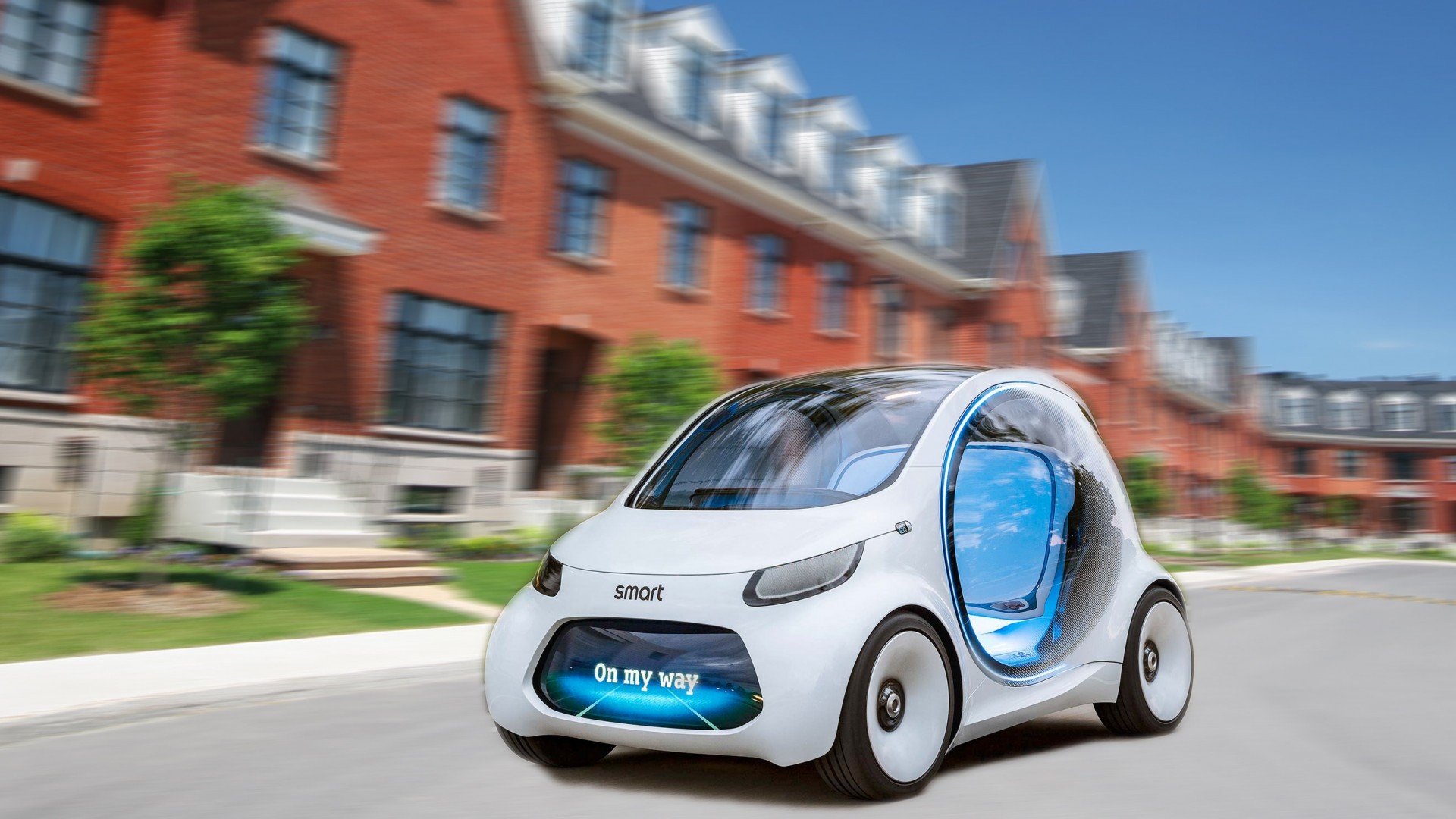
8. **The Start of Autonomous Vehicles**: The very first self-driving car was developed in the 1980s by a group of researchers from Carnegie Mellon University. Recognizing this early genesis underscores the rapid evolution of technology and illustrates how the future of driving may unfold in ways we could hardly imagine.
9. **Rage Behind the Wheel**: Road rage is more common than one might think; studies indicate that 80% of drivers have experienced aggressive behaviors from others. Fostering a mindful approach when faced with irascible fellow motorists can transform your driving experience from combative to serene.
10. **Fuel Efficiency and Driving Speed**: A curious dichotomy exists between speed and fuel efficiency—a concept often overlooked by the average driver. Research shows that operating your vehicle at 50 mph can be significantly more economical than driving at 70 mph. This realization could lead you to adopt a gentler driving style, yielding savings at the pump.
11. **Quirky Literary Connections**: The first novel explicitly about an automobile, “The Motor Omnibus” by John Thomas, was published in 1906. Exploring literature’s relationship with cars can illuminate cultural reflections and societal shifts driven by this technology.
12. **The Evolution of Dashboard Displays**: The earliest dashboard displays were mere speedometers. Today’s intricate digital interfaces include everything from GPS navigation to tire pressure alerts—an evolution that dramatically enhances the modern driving experience.
13. **Life Span of a Car’s Battery**: Most drivers remain unaware of the typical lifespan of a car battery—usually around three to five years. Recognizing the signs of battery deterioration can prevent unexpected breakdowns, allowing for proactive maintenance rather than reactive measures.
14. **Microbe Life in Your Car**: Research shows that the average car contains more microbes than the average home. This startling statistic encourages the importance of regular cleanliness and sanitation, reminding drivers that their vehicle environment closely mirrors their daily living spaces.
15. **Sapience in Traffic Lights**: Those seemingly innocuous traffic lights embody sophisticated technology—adaptive traffic signals, for example, utilize real-time data to alter signal patterns based on congestion levels. Comprehending this technology can enhance patience and compliance while navigating urban settings.
In conclusion, the world of automobiles is rife with oddities that extend beyond the typical experience of turning the ignition. By embracing these unusual facts, drivers can cultivate a more thoughtful and informed approach to their time on the road. So, the next time you settle into your vehicle, remember that driving is not only about the destination but also about understanding the deeper intricacies that make our journeys so captivating.
FAQ
What is the origin of the word 'car'?
The term ‘car’ descends from the Latin word ‘carrus,’ which refers to a two-wheeled vehicle.
How does a car's color affect its temperature?
Darker cars absorb more heat, making them hotter in sunny climates compared to lighter-colored vehicles.



Leave a Reply