Chile, a jewel nestled along the western edge of South America, is renowned for its breathtaking landscapes and rich history. However, beyond its stunning mountains and coastal vistas lies a tapestry of culture characterized by passionate traditions, vibrant expressions, and a profoundly unique identity. In this exploration, we shall unveil ten captivating facts about Chilean culture that illuminate its diverse and multifaceted nature.
1. A Melting Pot of Influences
Chilean culture is an intricate amalgamation of indigenous heritage and Spanish colonial influences. From the Mapuche people—who significantly shaped the nation’s identity—to the Spanish conquests that introduced European customs, the cultural fabric of Chile reflects a harmonious blend. This interplay results in rich traditions, languages, and practices that continue to thrive, enriching the cultural landscape.
2. Culinary Wonders – More Than Just Empanadas
The gastronomic scene in Chile is a culinary odyssey, stretching from the vibrant markets of Santiago to the picturesque coastal towns. While empanadas hold a special place in the hearts worldwide, Chile’s gastronomy extends well beyond. Delicacies like pastel de choclo, a corn pie layered with meat, and the piquant pebre, a fresh salsa of cilantro and chili, embody the nation’s zest for flavor and freshness, drawing from the diverse ecosystems that surround it.
3. Poetry in the Air
Chile has earned a global reputation as a haven for poetry, producing literary luminaries like Pablo Neruda and Gabriela Mistral—both recipients of the Nobel Prize in Literature. Their works are not only cherished within the confines of Chile but have also resonated deeply across the world. The profound expressions of love, nature, and social justice in their poetry mirror the culturally rich and tumultuous history that has molded Chile.
4. Vibrant Festivals
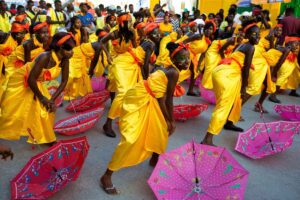
Festivities in Chile are a riot of color, music, and exuberance, reflecting the nation’s dynamic spirit. One of the most significant celebrations is Fiesta de la Tirana, a vibrant festival held in the town of La Tirana, which pays homage to the Virgen del Carmen. Attended by thousands, this festival features traditional dances, music, and costumes that echo pre-Columbian traditions, inviting both locals and visitors to partake in the shared joy and cultural rebirth.
5. The Dance of History – Cueca
At the heart of Chilean folk music is the cueca, a traditional dance that exudes passion and courtship. Characterized by its rhythmic footwork and the use of handkerchiefs, cueca is often performed during cultural celebrations and gatherings. This dance encapsulates the livelihood and spirit of Chile, serving not only as entertainment but as a means of preserving communal bonds and storytelling.
6. A Love for Football
No exploration of Chilean culture would be complete without highlighting the fervor surrounding football (soccer). The sport is woven into the very fabric of Chilean identity, serving as a unifying force that transcends regional differences. Matches, especially those involving the national team, evoke unparalleled passion and camaraderie among fans, displaying a collective spirit that is palpable and infectious.
7. Wine Beyond Borders
Chile’s wine industry is revered globally, known for its diverse varietals and unique terroirs. The country’s geographic diversity—from the Atacama Desert to the Andes Mountains—creates a splendid range of wines, notably the bold Carmenère grape. Wine tasting tours in regions like the Maipo Valley provide an intimate glimpse into the art of winemaking, inviting enthusiasts to appreciate not only the flavors but the cultural significance behind them.
8. Artistic Expression – The Murals of Valparaíso
The port city of Valparaíso is an open-air gallery, adorned with striking murals that reflect both social issues and the joyous spirit of its inhabitants. Street art in Valparaíso tells stories of struggle, hope, and resilience. Every corner is alive with creativity, illustrating the city’s artistic flair and the role of public art in fostering dialogue around cultural and political themes.
9. Indigenous Craftsmanship
Chilean culture boasts a wealth of indigenous craftsmanship, demonstrating the time-honored traditions of artisans. From the intricate textiles of the Mapuche to the pottery of the Atacama people, these crafts are not mere relics of the past but living traditions that infuse everyday life. Engaging with these artisans offers insights into their worldview and the significance of craftsmanship as a form of cultural expression.
10. A Gateway to Nature
Finally, the stunning natural landscapes of Chile—from the expansive Patagonia to the surreal Atacama Desert—are intrinsically tied to the national identity. The awe-inspiring beauty of these environments fosters not just pride but a deeper understanding of the relationship between the Chileans and their land. Outdoor activities, such as hiking and stargazing, become communal experiences that celebrate the natural world, enhancing the cultural appreciation for the breathtaking geography.
In conclusion, Chilean culture is a mosaic defined by history, tradition, and a profound connection to the land and its people. Each of these ten facts reveals layers of passion and creativity that contribute to a unique cultural identity. Whether through culinary delights, rhythmic dances, or heartfelt poetry, Chile stands as a testament to the vibrant spirit of a nation, inviting exploration and celebration.