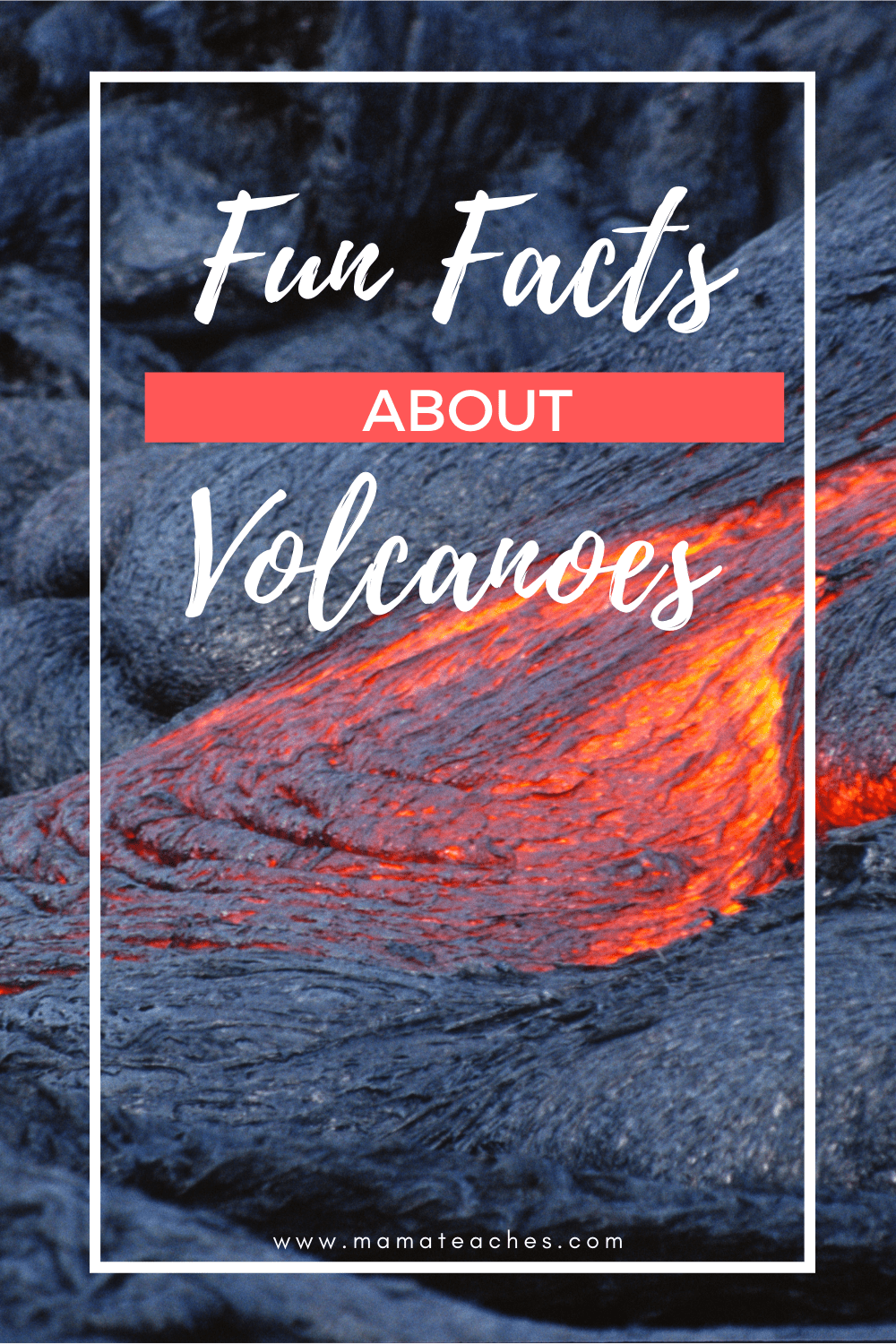
Volcanoes are among the most awe-inspiring and complex natural phenomena on our planet. They come in a myriad of forms and characteristics that often surprise and intrigue both scientists and enthusiasts alike. Here are some unusual facts about volcanoes that highlight their explosive nature and the astonishing processes that govern them.
1. Volcanoes Can Create New Land
One of the most remarkable contributions of volcanoes to Earth’s geography is their ability to create new landmasses. When magma erupts from a volcano, the resulting lava can harden and form new rock formations. An exemplary case of this is the formation of the Hawaiian Islands, which emerged from underwater volcanic activity over millions of years. This process not only adds land but also enriches the surrounding ecosystems with new habitats.
2. The World’s Largest Volcano is Underwater
Although many envision towering mountains of fire when thinking about volcanoes, the largest one on Earth is actually Mauna Loa, located in Hawaii. What is even more astonishing is that approximately 75% of Mauna Loa sits submerged beneath the Pacific Ocean. Its sheer volume surpasses that of all the well-known land-based volcanoes combined, making it a colossal giant hidden from view.
3. Volcanoes Can Erupt Without Warning
Volcanic eruptions are often unpredictable. Certain volcanoes might display signs of unrest, such as tremors or changes in gas emissions, while others can erupt seemingly without any precursor. The eruption of Mount St. Helens in 1980 is a quintessential example, catching many scientists off guard and leading to devastating consequences. This unpredictability is a vital reason why monitoring and research are crucial in volcanic regions.
4. Volcanic Lightning
During a volcanic eruption, the intense heat and energy released can generate electrical activity that results in volcanic lightning, also known as “dirty thunderstorms.” This phenomenon occurs when ash particles collide within the plume, creating static charges that discharge as lightning bolts. The sight of these natural displays, often framed against a backdrop of an erupting volcano, is as magnificent as it is fearsome.
5. Supervolcanoes and Their Potential
Supervolcanoes represent a category of volcanoes capable of producing massive and catastrophic eruptions. Unlike standard volcanoes, which may erupt once every few years or centuries, supervolcanoes can lie dormant for thousands of years. The eruption of a supervolcano, such as Yellowstone in the United States, could result in widespread destruction, impacting global climate and leading to long-term effects on agriculture and ecosystems.
6. The Smell of Sulfur
Erupting volcanoes often produce sulfur dioxide gas, which has a distinct odor akin to rotten eggs. This potent scent is a marker of volcanic activity, as high concentrations of sulfur can be detected near active sites. While it serves as a warning of potential eruptions, it also highlights the ecological impact of volcanic gases on local environments and air quality.
7. Volcanic Ash Has Numerous Uses
Volcanic ash, although often viewed as a nuisance during eruptions, possesses various beneficial applications. It has been used in the construction industry as a lightweight aggregate in concrete, improving durability. Additionally, the mineral-rich ash can enhance soil fertility, turning previously barren regions into lush agricultural lands. This duality illustrates the complex relationship between eruptions and human use.
8. Volcanic Rocks Tell a Story
The rocks formed from volcanic eruptions are not merely inert materials; they are a treasure trove of information about Earth’s history. Different types of volcanic rocks, such as basalt and pumice, provide insights into the type of eruption, the magma’s composition, and even the conditions present in the Earth’s crust during formation. Geologists study these rocks meticulously to understand past environments and predict future volcanic activity.
9. The Role of Volcanoes in Climate Change
Interestingly, volcanoes can significantly influence Earth’s climate. The ash and gases emitted during an explosive eruption can temporarily cool the planet by reflecting sunlight away from the atmosphere. For instance, the eruption of Mount Pinatubo in 1991 resulted in a noticeable drop in global temperatures for several years. This effect underscores the interconnectedness of Earth’s systems—geological, climatic, and ecological.
10. Volcanic Soils are Highly Fertile
The soils formed in volcanic regions are remarkably rich in nutrients, making them some of the most fertile on Earth. This fertility arises from the breakdown of volcanic ash and minerals, which create a substrate conducive for agriculture. Regions like the Italian countryside, where vineyards thrive amidst dormant volcanic landscapes, exemplify how volcanic soils can sustain diverse and productive ecosystems.
11. Scientists Can Use Volcanic Gases to Predict Eruptions
Monitoring volcanic gases is a vital tool for predicting eruptions. Changes in the composition and amount of gases like carbon dioxide and sulfur dioxide can signify rising magma and potential eruptions. This scientific approach is increasingly sophisticated, utilizing technology such as satellite imagery and ground-based sensors to discern patterns in gas emissions and thereby enhance public safety.
12. Subglacial Volcanoes
Many are unaware that volcanoes can occur beneath ice sheets and glaciers, known as subglacial volcanoes. These volcanoes can cause significant melting and contribute to the dynamics of glacial movement. The eruption of a subglacial volcano produces unique landscapes, such as the formation of ice cauldrons and subglacial lakes, demonstrating the interplay between volcanic activity and glacial systems.
In conclusion, volcanoes are more than just explosive geological features; they are complex systems that rekindle the narrative of our Earth’s formative processes. Understanding the unusual facts about volcanoes enriches our perspective on their impact on ecosystems, landscapes, and even global climate. Whether it’s the creation of new land or the vital role they play in nutrient cycling, volcanoes continue to amaze us with their multifaceted nature.