The Cocos Plate is an intriguing tectonic plate located in the eastern Pacific Ocean. While it may not be as widely recognized as the more prominent plates like the Pacific Plate or the North American Plate, the Cocos Plate plays a critical role in our understanding of geological processes and the dynamics of Earth’s crust. Here are two essential facts about the Cocos Plate that promise to shift your perspective and pique your curiosity.
1. The Cocos Plate is a Divergent Boundary Master
One of the most fascinating characteristics of the Cocos Plate is its status as a divergent boundary plate. This unique configuration impacts not only the geographical landscape but also the seismic activity in the region. The divergence of tectonic plates occurs when two plates move apart from each other, leading to various geological phenomena. At the center of this division lies the Mid-Atlantic Ridge, where the magma from the mantle rises to create new oceanic crust.
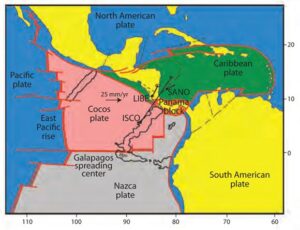
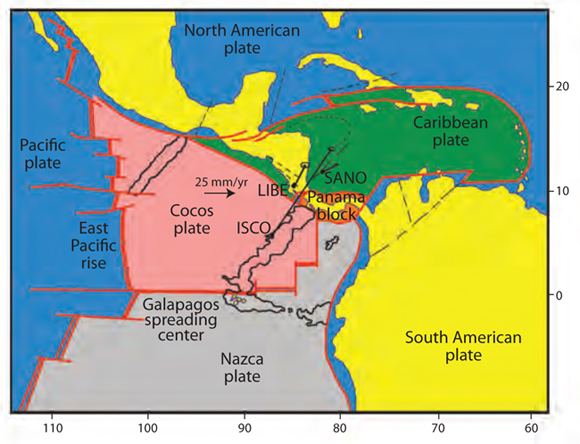
In the case of the Cocos Plate, it interacts primarily with the Nazca Plate to the east and the Caribbean Plate to the north. As the Cocos Plate shifts away, it creates a rift that helps give rise to the phenomenon known as subduction zones. This evolutionary process allows for the formation of volcanic arcs and deep oceanic trenches, most notably the Mariana Trench, underscoring the plate’s geological significance.
The movement of the Cocos Plate is not uniform; rather, it is characterized by lateral sliding and subduction activity that creates a unique environment susceptible to earthquakes. Regions like Costa Rica and El Salvador, situated along the convergent boundaries, experience frequent seismic activity due to this ongoing tectonic dance. In essence, understanding the divergent nature of the Cocos Plate can transform one’s approach to how we perceive natural disasters, as it reminds us of the intricate relationships between landmasses and tectonic forces.
Additionally, the Cocos Plate’s divergence contributes to the rich biodiversity found in the surrounding regions. The volcanic activity from the plate’s subduction exposes essential minerals, which create fertile soils, allowing for lush ecosystems. These ecosystems, in turn, serve as crucial habitats for numerous species, offering an extensive range of flora and fauna that thrive in this geologically active environment.
2. A Hotbed of Natural Resources and Environmental Impact
The Cocos Plate is not merely a fascinating geological feature; it is also a treasure trove of natural resources. The tectonic activity associated with this plate yields significant quantities of valuable minerals and hydrocarbons. This geological richness often attracts exploration, hence stimulating economic interest. However, the extraction of these resources brings environmental considerations to the forefront.
Subduction zones are often rich in minerals like gold, silver, and copper, which are essential for various industries. The minerals deposited through volcanic activity generate ample opportunities for mining industries in countries bordering the Cocos Plate, such as Nicaragua, Costa Rica, and Panama. This lucrative potential fosters economic development but simultaneously raises concerns over environmental degradation. The balance between resource extraction and ecological preservation is a precarious one, as over-exploitation can result in devastating consequences for local ecosystems.
Furthermore, the tectonic movements can lead to the formation of geothermal energy sources. Countries like Costa Rica have harnessed this geothermal potential, capitalizing on the heat generated beneath the Earth’s surface to create sustainable energy solutions. This ability to convert geothermal energy into electricity exemplifies how the geological activities of tectonic plates can be utilized for green initiatives. It paints a picture of a future where geology and environmentalism can coexist harmoniously.
However, as nations rush to exploit these resources, there’s a significant risk to the ecological balance. The ramifications of disrupting the delicate ecosystems resulting from tectonic interactions cannot be overstated. Deforestation, soil erosion, and habitat destruction are just a few of the environmental dilemmas faced by countries looking to benefit from their geological bounty.
In summation, the Cocos Plate serves as a captivating case study that intricately weaves together the threads of tectonic activity, biodiversity, and resource management. Its role as a divergent boundary shapes not only the geology of the region but also its ecological and economic landscapes. Each movement of the plate reverberates through time, illustrating the profound connections between Earth’s physical processes and the life that inhabits it.
By exploring the complexities of the Cocos Plate, individuals can appreciate the multifaceted impacts of tectonic activity. Beyond its geological significance, the plate fosters a broader understanding of our responsibilities in managing natural resources and preserving the environment. Thus, the Cocos Plate remains a cornerstone of modern geology that challenges us to ponder our relationship with the Earth.