
Short Answer
Pompeii, a veritable archaeological treasure trove nestled at the base of Mount Vesuvius in Italy, is a haunting testimony to a civilization frozen in time. The city’s dramatic entombment beneath volcanic ash in 79 AD serves as an unparalleled portal into the daily lives, culture, and urban architecture of ancient Rome. Exploring Pompeii offers countless opportunities for edification, from its richly detailed frescoes to its remarkably preserved structures, offering a profound glimpse into a world long lost to the ravages of time. In this article, we will delve into several facets of Pompeii, providing a comprehensive guide that illuminates the extraordinary attributes that render this ancient city a captivating study.
1. A Brief History: The Cataclysmic Eruption
The narrative of Pompeii is inextricably linked to the cataclysmic eruption of Mount Vesuvius. This tragic event unleashed a torrent of volcanic materials, burying the city under layers of ash and pumice. The eruption, which transpired over two days, not only obliterated the city but also preserved it in an astonishing state, creating a time capsule for future generations. In the aftermath of the eruption, the inhabitants of Pompeii perished, leaving objects, inscriptions, and even the eerie casts of their last moments for modern scholars and archaeologists to discover and study.
2. Architectural Wonders: A City of Grandeur
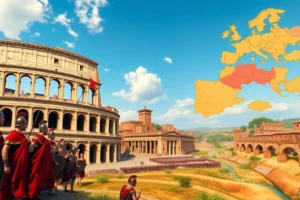
As you step through the awe-inspiring entrance of Pompeii, you are immediately transported back to a time when the city flourished with life. The architectural layout is a marvel of Roman ingenuity, featuring an extensive array of structures, public buildings, and private residences. The Forum, the bustling heart of the city, showcases the grandeur of Roman civic life with its temples and basilicas, while the Amphitheater bears witness to the entertainment culture of the era, designed to hold thousands of spectators for gladiatorial games. Each corner of Pompeii reveals intricate mosaics and frescos, depicting mythological scenes and daily life, demonstrating the remarkable artistry that defined its inhabitants.
3. Everyday Life: A Glimpse Into the Past
The preservation of Pompeii has allowed historians to glean unexpected insights into the daily lives of its residents. The thermopolium, an ancient fast-food establishment, exemplifies the vibrant culinary culture of the time, with terracotta pots and colorful frescoes that once adorned its façade. The bakery remains, complete with millstones and ovens, evoke the tantalizing aromas of fresh bread. Streets lined with homes often reveal the schismatic disparities of wealth and status, seen through the modest abodes of laborers juxtaposed against opulent villas featuring intricate gardens and lavish decor. Such details construct a rich tapestry of the social fabric that thrived before the fateful day of devastation.
4. Art and Culture: An Ongoing Legacy
The artistic achievements of Pompeii are profound, encompassing a wide array of techniques and styles emblematic of Roman culture. The frescoes discovered within the domus, or ancestral homes, reveal luxurious interiors painted with mythological and idyllic motifs. These vivid artworks are not just decorative; they serve as a reflection of wealth, prestige, and personal identity. Likewise, mosaics—composed of microscopic colored stones—adorn floors and walls, narrating stories of daily life, beauty, and art. The opulent Villa of the Mysteries is a compelling example, showcasing elaborate mythological scenes that have intrigued scholars for centuries, providing a glimpse into spiritual and ritualistic practices of the time.
5. The Casts of Pompeii: Echoes of Human Tragedy
Arguably one of the most poignant aspects of Pompeii lies in the casts of its residents, created when the volcanic ash hardened around the bodies of the deceased. This process has resulted in lifelike impressions that convey the harrowing moments leading up to their last breaths. These casts evoke empathy, offering an intimate glimpse into the human experience during this tragic event. Displayed in various locations throughout the site, these figures—frozen in diverse poses of fear, despair, or resignation—serve as a powerful reminder of the fragility of life, profoundly affecting all who encounter them.
6. Archaeological Significance: Unraveling the Past
The excavation of Pompeii commenced in the 18th century, yet it continues to be a subject of fervent archaeological study, with new discoveries routinely reshaping our understanding of the ancient world. Researchers continue to analyze artifacts and spatial layouts to construct a nuanced chronicle of Pompeii’s evolution. Moreover, advancements in technology, including ground-penetrating radar, have begun to unveil previously hidden structures, hinting at untold narratives waiting to be uncovered beneath the layers of volcanic debris.
7. Tourism and Preservation: A Balancing Act
Today, Pompeii stands as one of the most visited archaeological sites in the world, attracting millions annually. While tourism can help fund preservation efforts, it also poses challenges, as throngs of visitors risk hastening the deterioration of the fragile site. Authorities have implemented various strategies to mitigate damage and ensure that Pompeii remains preserved for future generations. Sustainable tourism practices, including restricted access to certain areas and guided tours, seek to honor the sanctity of this historic site while fostering public engagement and education.
In conclusion, Pompeii is not merely a city lost to the ravages of time; it is a testament to human resilience and artistry caught in a fiery cataclysm. From its architectural splendor to the poignant remains of its inhabitants, the site continues to illuminate aspects of Roman life, culture, and art that might otherwise remain obscured. As modern society takes its steps through this ancient thoroughfare, it is essential to recognize the history it encapsulates, allowing us to understand our shared past and the legacies we inherit from the enduring spirit of Pompeii.
FAQ
What caused the destruction of Pompeii?
Pompeii was destroyed by the eruption of Mount Vesuvius in 79 AD, which buried the city under volcanic ash.
What can be seen in Pompeii today?
Visitors to Pompeii can see remarkably preserved buildings, frescoes, and casts of the city’s inhabitants.
Why is Pompeii important for archaeology?
Pompeii offers a unique glimpse into Roman life, culture, and urban planning, preserving artifacts and structures that provide insights into the past.



Leave a Reply