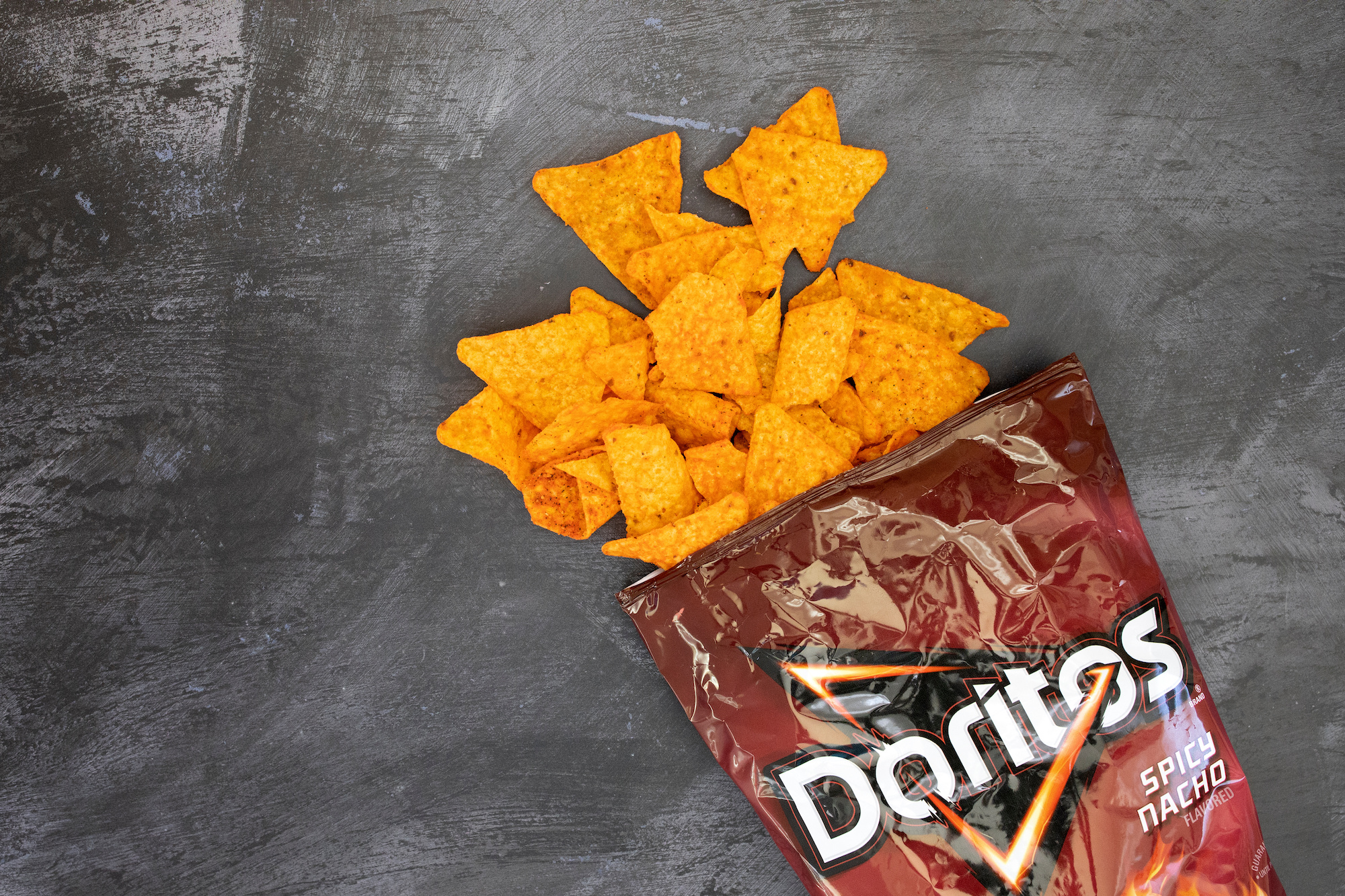
When you hear the word “snack,” what often comes to mind are vibrant packages filled with delightfully crunchy treats. Among these, few snacks are as iconic and universally recognized as Doritos. Known for their bold flavors and addictive texture, Doritos have become a staple in many households. However, have you ever pondered what goes into that addictive crunch? Understanding the nutritional components of Doritos can help you make informed choices. This article delves into the various facets of Doritos’ nutrition, revealing the often-overlooked facts behind these beloved chips.
The Core Ingredients
Doritos are made primarily from a base of corn, which is the predominant ingredient. However, the manufacturing process involves several other components, not all of which might immediately come to mind. The ingredients typically include:
- Corn: The initial base ingredient is cornmeal, which is processed to create the satisfying crunch.
- Vegetable Oil: Common oils include canola, corn, or a blend, which contribute to the chip’s flavor and mouthfeel.
- Seasonings: Each flavor variant includes specific seasoning blends that introduce unique tastes, including cheese, chili, and ranch.
- Preservatives: To prolong shelf life and maintain freshness, preservatives are often used, though the specific types can vary by flavor and region.
Nutritional Breakdown
Per serving, which is typically about 1 ounce (or around 11 chips), a standard bag of Doritos contains a notable amount of calories, fats, and carbohydrates:
- Calories: On average, a serving provides approximately 140-150 calories. This density makes it easy to consume more than intended.
- Fats: Most varieties of Doritos contain about 7 grams of total fats, with a portion being saturated fat. While they are not high in trans fats, it’s essential to be mindful of your overall fat intake.
- Sodium: One of the more alarming aspects of Doritos is their sodium content, which can hover around 250-300 milligrams per serving. This high sodium content can contribute to dietary concerns if consumed excessively.
- Carbohydrates: Roughly 15 grams of carbohydrates are found in each serving. This includes about 1 gram of sugar and around 1 gram of dietary fiber, which limits their nutritional benefits.
- Protein: Doritos provide a minimal amount of protein, generally less than 2 grams per serving, making them less ideal for a protein-packed snack.
Flavor Variants and Their Nutritional Variations
Doritos come in a myriad of flavors, each with distinct nutritional profiles. Some of the more popular variants include:
- Nacho Cheese: The classic flavor that has dominated the market, boasting a combination of cheese, spices, and salt, appealing to those looking for that iconic taste.
- Cool Ranch: Another fan favorite, this variant adds a creamy, herby twist, often marked by slightly higher sodium content.
- Spicy Nacho: For those who enjoy a bit of heat, this flavor introduces additional spices, potentially increasing its caloric content marginally.
- Flamin’ Hot: With an exhilarating kick, this version caters to the adventurous snacker but is often even higher in sodium and calories.
Dietary Considerations and Concerns
For health-conscious individuals, it’s important to consider several factors when indulging in Doritos. Here are a few noteworthy observations:
- High in Sodium: With the elevated sodium content, regular consumption could elevate blood pressure, especially in individuals with sensitivities.
- Low Nutritional Value: While they are tantalizingly tasty, Doritos lack substantial vitamins, minerals, or protein that contribute to a balanced diet.
- Processed Food Concerns: As a heavily processed food, Doritos may contain additives and preservatives, which some consumers prefer to avoid.
- Portion Control: A single serving may rarely satisfy cravings, leading individuals to consume far more than the recommended serving size.
Alternatives and Healthy Options
If you appreciate the crunch and flavor of Doritos but are looking for healthier alternatives, consider these substitutions:
- Homemade Chips: You can create baked corn tortillas at home, allowing for control over seasoning and oil content.
- Vegetable Chips: Opting for lightly salted vegetable chips can present a lower-calorie and nutrient-rich option.
- Nut-Based Snacks: Consider snacks made from nuts or seeds, which often provide healthy fats and protein without excessive sodium.
Conclusion
Doritos undoubtedly hold a fascination for snack enthusiasts around the globe. As enticing as they may be, understanding the nutrition behind these chips not only helps in making informed dietary choices but also fosters awareness about processed foods. Balancing the enjoyment of such snacks with nutritional wisdom can lead to a more fulfilling and health-conscious lifestyle. Always remember, moderation is key when agreeing to indulge in these tantalizing treats.