Sudan, a vast country located in northeastern Africa, is often overshadowed by its more prominent neighbors. Yet, beyond the headlines and common perceptions, this nation boasts a rich tapestry of history, culture, and stunning natural beauty. Here, we delve into some compelling facts about Sudan that promise to shift your perspective and ignite your curiosity.
1. A Historical Tapestry Woven Through Time
Sudan’s history is a confluence of diverse cultures and civilizations. It is home to the ancient Kingdom of Kush, which flourished from as early as 2600 BC. The Kushites were renowned for their impressive pyramids and advanced society, rivalling even that of ancient Egypt. In fact, Sudan houses more pyramids than Egypt, with sites such as Meroë showcasing these architectural marvels.
Throughout the centuries, Sudan has been a pivotal crossroads of trade, where African, Arab, and Mediterranean influences intermingle. The region’s strategic location made it a melting pot of cultures, leading to the emergence of rich customs and traditions that persist today.
2. Cultural Diversity and Ethnic Mosaic
Sudan is characterized by its remarkable ethnic and cultural diversity. With over 500 distinct ethnic groups, the country’s demographics present a kaleidoscope of languages, traditions, and rituals. Arabic is the official language, but many dialects and languages, such as Nubian and Beja, are still actively spoken.
This cultural diversity manifests in numerous festivals, music, and art forms that vary dramatically from one region to another. The annual Sufi festival in Omdurman, for instance, attracts thousands, celebrating spiritual devotion through dance, music, and collective prayers.
3. The Richness of Sudanese Cuisine
The culinary landscape of Sudan is as varied as its people. Staple dishes often incorporate ingredients such as lentils, beans, and sorghum. A popular dish, Ful Medames, made with fava beans, exemplifies Sudanese hospitality and communal eating traditions, often enjoyed leisurely in the company of family and friends.
Another fascinating aspect of Sudanese cuisine is its tea culture, which reflects the leisurely pace of life. Preparing and serving tea, known as ‘Chai,’ is an art form that emphasizes ritual and sociability, often accompanied by snacks like ‘Camel’s milk’ or sweet pastries.
4. A Land of Natural Wonders
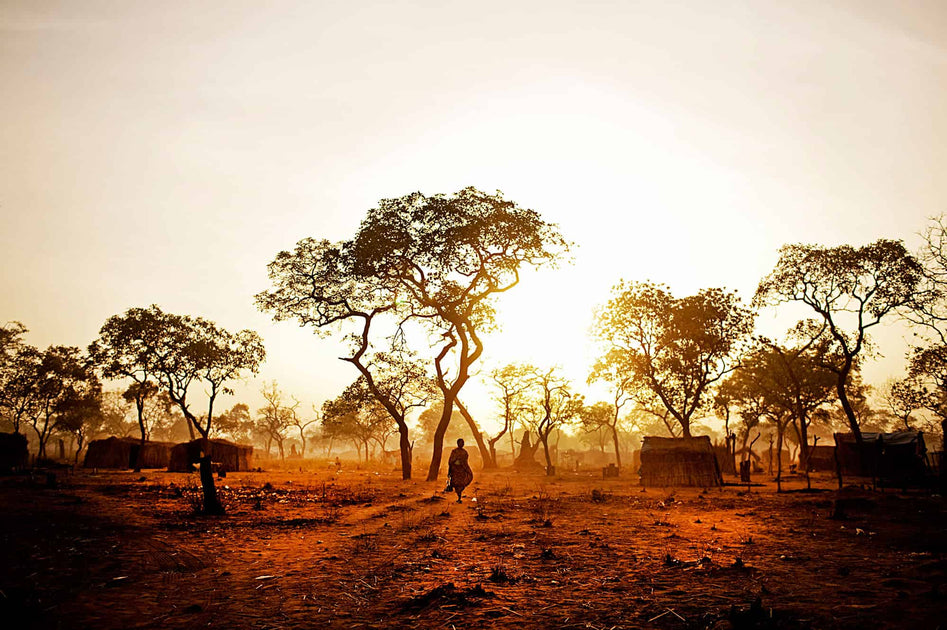
Sudan is a treasure trove of natural beauty, characterized by its contrasting landscapes. From the arid expanse of the Sahara Desert to the lush banks of the Nile, the country offers a diversity of ecosystems. The red sea coast is famous for its vibrant coral reefs, making it a hidden gem for divers and marine enthusiasts.
The Dinder National Park is another captivating destination, known for its rich biodiversity, including species such as the African elephant and the endangered Darfur gazelle. These natural landscapes serve not only as refuges for wildlife but also as spaces for adventure and exploration, inviting visitors to experience the serenity of Sudan’s unspoiled wilderness.
5. The Nubian Culture and Heritage
The Nubians, an ancient group residing along the Nile, possess a culture steeped in history and tradition. Their language, customs, and architecture are reflections of a civilization that dates back millennia. The recent construction of the Great Dam in Aswan threatened to submerge many Nubian sites, leading to a significant cultural loss.
However, efforts to preserve Nubian heritage have gained momentum, highlighting traditional crafts such as pottery and weaving. The colorful Nubian houses, adorned with intricate designs, are a testament to their artistic expression and connection to the landscape.
6. Sudanese Arts: A Journey Through Expression
The arts in Sudan are a vibrant expression of the nation’s multifaceted identity. Music, dance, and visual arts are integral to social and cultural life. Traditional forms such as ‘Hawwara’ dance and ‘Sheikh’ music offer insights into the spiritual and communal aspects of Sudanese culture.
Moreover, contemporary Sudanese artists have gained recognition on the global stage. Their works often grapple with themes of identity, conflict, and resilience, providing a poignant commentary on the societal challenges faced in modern Sudan.
7. Sudan’s Unique Geographical Features
Sudan is adorned with distinctive geographical features that further its allure. The convergence of the White Nile and the Blue Nile at Khartoum creates a spectacular sight—the Nile’s duality is symbolic of the country’s own diverse identities.
Additionally, the Jebel Marra mountain range offers striking landscapes, with its verdant valleys standing in stark contrast to the arid regions. Hidden within these mountains are the rich traditions of the Fur people, who inhabit the area and continue to practice age-old customs.
8. The Challenges of Modern Sudan
While Sudan is rich in history and culture, it has experienced significant challenges, including civil conflict and economic hardship. However, the resilience of the Sudanese people is evident in their unwavering spirit to foster peace and showcase their cultural heritage. Grassroots organizations and movements are burgeoning, aiming to uplift communities and promote unity.
9. Emerging Tourism Potential
Despite the challenges, Sudan is gradually emerging as a destination for adventurous travelers seeking untrodden paths. The rich heritage sites, stunning landscapes, and warm hospitality of its people present a unique opportunity for tourism that is both sustainable and culturally enriching.
The government’s efforts to promote tourism in recent years, focusing on archaeological sites and natural wonders, augur well for the country’s future, offering an opening to discover Sudan’s hidden treasures.
In conclusion, Sudan is a country brimming with intrigue and beauty, shaped by its history and the diverse cultures of its people. Recognizing its complexities and appreciating its wealth of experiences can lead to a newfound respect and curiosity for this oft-overlooked nation. Whether you are drawn by its ancient landscapes, its rich traditions, or its contemporary challenges, the story of Sudan is one worth exploring.