Kenya, a land of striking contrasts and unparalleled diversity, mesmerizes visitors with its rich tapestry of wildlife, vibrant culture, and breathtaking natural beauty. This East African nation is famed for its vast savannas teeming with wildlife, towering mountains, and a coastline that hugs the azure Indian Ocean. This article delves into some of the most intriguing facts about Kenya that showcase its remarkable heritage.
1. Incredible Wildlife
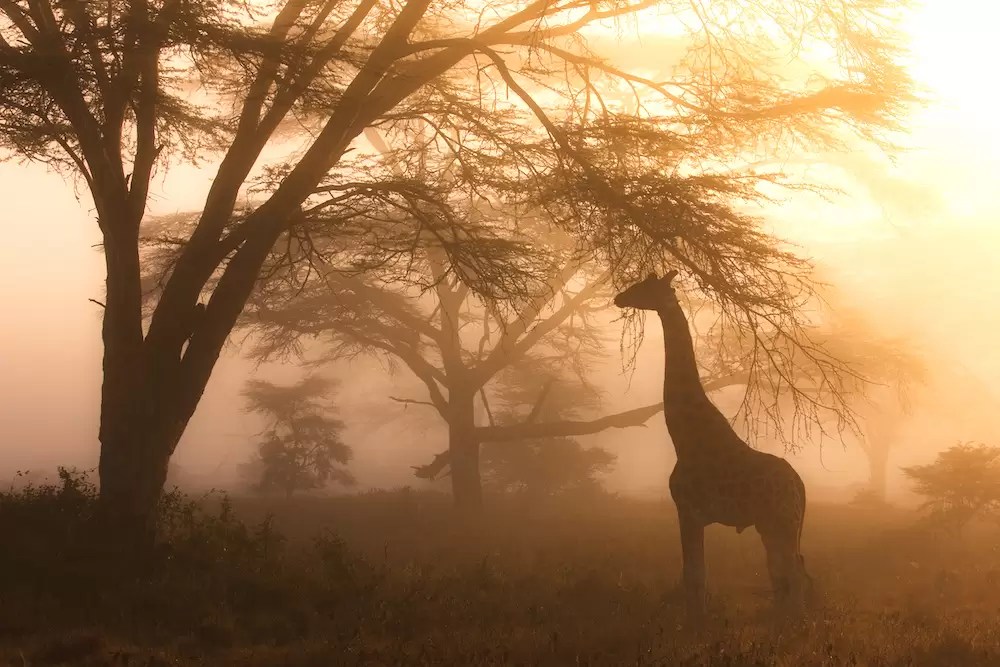
Kenya is home to an astonishing variety of wildlife, including the “Big Five”—lions, leopards, rhinoceroses, elephants, and Cape buffaloes. These iconic animals draw millions of tourists annually to its pristine national parks and reserves, with the Maasai Mara being a notable highlight. The annual wildebeest migration, often described as one of the greatest spectacles in nature, sees over a million wildebeest traverse the plains, accompanied by zebras and other herbivores, creating a breathtaking panorama.
2. Unique Ecosystems
The country’s diverse climatic conditions have fostered a plethora of ecosystems, ranging from arid deserts to lush highlands. The Great Rift Valley, which runs through Kenya, is not only a geographical marvel but also a hotspot for unique flora and fauna. Lakes such as Lake Nakuru and Lake Naivasha support vast populations of flamingos and other waterfowl, making them vital for biodiversity.
3. Rich Cultural Heritage
Kenya boasts a mosaic of over 40 ethnic groups, each with its own distinctive culture, language, and traditions. The Maasai, known for their vibrant clothing and warrior traditions, are one of the most famous tribes, often symbolizing Kenya’s cultural identity. Traditional Maasai ceremonies, such as the “Emuratare,” highlight their age-old customs and social structures.
4. Languages and Linguistic Diversity
The linguistic tapestry of Kenya is as varied as its cultures. While Swahili and English are the official languages, over 60 indigenous languages are spoken across the country, including Kikuyu, Luo, and Digo. This linguistic diversity reflects the rich heritage and history of the various ethnic communities residing within Kenya.
5. Traditional Music and Dance
Music and dance are integral components of Kenyan culture, serving both as entertainment and a means of storytelling. Traditional instruments like the nyatiti (a lute-like instrument) and the orutu (a one-stringed fiddle) contribute to the vibrant soundscape. Dances often accompany rituals, celebrations, and ceremonies, showcasing the communal spirit and historical narratives of different tribes.
6. Architectural Wonders
Kenya’s architecture is a reflection of its cultural diversity, blending traditional styles with modern influences. The Swahili architecture of the coastal region is characterized by coral stone buildings adorned with intricate carvings. Additionally, the capital city, Nairobi, presents a fascinating fusion of colonial-era buildings and contemporary skyscrapers, symbolizing the nation’s evolving identity.
7. Gastronomic Delights
The culinary landscape of Kenya is rich and varied, featuring an array of dishes that showcase local produce and traditions. Staples like ugali (a maize porridge), sukuma wiki (collard greens), and nyama choma (grilled meat) are prevalent. Each tribe has its unique flavors and preparation styles, making a culinary journey through Kenya a delightful experience.
8. Natural Wonders
Kenya’s natural beauty is epitomized by its stunning landscapes that range from the snow-capped peaks of Mount Kenya to the arid terrains of the northern regions. The Amboseli National Park offers sweeping views of Mount Kilimanjaro, while the sandy beaches of Malindi and Diani attract those in search of tranquility and idyllic coastlines. The country’s diverse geography plays a crucial role in its ecological balances and attracts nature enthusiasts worldwide.
9. Conservation Efforts
Recognizing the importance of preserving its natural heritage, Kenya has implemented significant conservation initiatives to protect its wildlife and ecosystems. Various organizations, both governmental and non-governmental, actively work towards anti-poaching measures, habitat restoration, and sustainable tourism practices. The successful establishment of conservancies in areas like Maasai Mara aids both wildlife protection and community development.
10. UNESCO World Heritage Sites
Kenya is proud to be home to several UNESCO World Heritage Sites, which highlight its historical and natural significance. Sites like the Fort Jesus in Mombasa and the diverse ecosystems of the Lake Turkana region exemplify the country’s cultural and natural importance. These locations attract scholars, tourists, and conservationists alike, contributing to Kenya’s global recognition.
11. Climate Variability
The climatic tapestry of Kenya is equally fascinating, featuring variations from tropical along the coast to arid in the northern regions. The country experiences two primary seasons: the long rains from March to May and the short rains from October to December. This climatic diversity significantly influences agriculture, wildlife patterns, and biodiversity within the country.
12. Eco-Tourism
With an increasing emphasis on sustainability, Kenya has embraced eco-tourism as a pivotal element of its travel industry. Eco-friendly lodges and tour companies promote responsible travel, allowing visitors to connect authentically with nature while conserving local wildlife. This shift not only aids in preserving the environment but also enhances the livelihoods of local communities.
In conclusion, Kenya emerges as a microcosm of natural splendor and cultural richness, offering an enriching experience for those who explore its depths. From its incredible wildlife and varied ecosystems to its dynamic cultural landscape, the country is a testament to the wonders of our world, beckoning adventurers, historians, and nature lovers alike to partake in its myriad offerings.