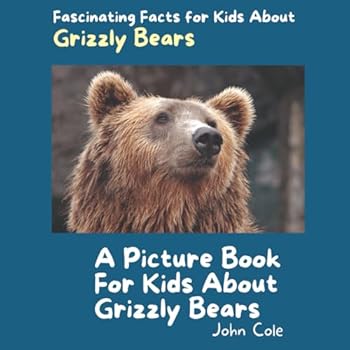
Grizzly bears are among the most iconic creatures of the North American wilderness. With their massive size and formidable strength, they command respect and admiration. But how much do you really know about these fascinating mammals? Prepare to be intrigued as we delve into interesting facts about grizzly bears that highlight their fierce, fast, and captivating nature. Are you ready to challenge yourself to learn something new?
1. The Mighty Size of Grizzly Bears
Grizzly bears are no small potatoes; they can weigh anywhere from 400 to 1,500 pounds, depending on the individual and the season. Adult males, often referred to as boars, are significantly larger than females, or sows. A grizzly’s height can reach up to 8 feet when standing on their hind legs, a considerable stature that contributes to their reputation as intimidating predators.
2. Distribution and Habitat
Grizzly bears inhabit a vast array of environments across North America, from the dense forests of Alaska to the rocky mountains of the contiguous United States. They prefer areas with abundant food sources, such as wild berries, roots, and salmon. Yet, these versatile creatures are remarkably adaptable, able to thrive in different habitats, including coastal regions and alpine zones.
3. Diet: Omnivorous Marvels
As omnivores, grizzly bears enjoy a diverse diet that consists of plant matter, insects, and animals. They are notorious for their unparalleled fishing skills, particularly during salmon spawning seasons when they can consume up to 100 fish in a day. Interestingly, grizzlies have a keen sense of smell that is approximately seven times better than that of a bloodhound, enabling them to detect food from miles away!
4. Hibernation: Nature’s Sleeping Giants
Hibernation is a critical aspect of a grizzly’s life cycle. Typically, these bears enter a state of semi-hibernation from late autumn to early spring. During this time, their metabolic rate drastically decreases, allowing them to survive without food or water. Strikingly, they may lose up to 30% of their body weight during this period, yet their heart rate can drop to as low as 8 beats per minute.
5. Social Structure and Behavior
Contrary to what some might expect, grizzly bears are not solitary creatures by nature. While they can often be seen foraging alone, they maintain a social structure that includes complex behaviors. Female grizzlies, particularly those with cubs, exhibit remarkable maternal instincts. These sows fiercely protect their young from potential threats, including adult male bears, who are known to prey on cubs.
6. Reproductive Traits
Grizzly bears have an intriguing reproductive strategy. After mating in the spring, the fertilized egg does not immediately implant in the uterus, allowing for a delayed gestation period that ensures cubs are born during the most favorable climate in January or February. Typically, a sow gives birth to 1 to 4 cubs, which she nurses for about two years. The nurturing period is crucial for the cubs’ survival, as they learn vital survival skills.
7. Communication: The Language of Bears
Grizzly bears communicate using a variety of vocalizations and body language. From huffs and grunts to growls and roars, each sound indicates different emotions or intentions. Additionally, they use body postures, such as standing tall or swatting with their paws, to convey their status. This intricate communication system is essential for social interactions and maintaining territories.
8. Conservation Status: A Species at Risk
Despite their formidable presence, grizzly bears face numerous threats, primarily from habitat loss, climate change, and human encroachment. Their populations have been affected significantly in several regions, leading to conservation efforts aimed at protecting their habitats and mitigating human-bear conflicts. Understanding and supporting these efforts is crucial for the survival of this majestic species.
9. Grizzlies in Popular Culture
Grizzly bears have left an indelible mark on popular culture. They feature prominently in literature, film, and folk tales, often depicted as symbols of strength and wilderness. From Smokey Bear teaching fire safety to fictional portrayals like Baloo from “The Jungle Book,” their representation often romanticizes the bear’s superior qualities while raising awareness about their ecological significance.
10. The Thrill of Observation
For wildlife enthusiasts, observing grizzly bears in their natural habitat offers a thrilling experience. National parks like Yellowstone and Glacier are prime spots for viewing these magnificent creatures. However, it’s imperative to approach grizzly sightings with caution and respect. Observers should always maintain a safe distance and follow park guidelines to ensure both their safety and that of the bears.
As you consider these intriguing facts, ask yourself: What is your favorite aspect of grizzly bears? Is it their awe-inspiring size, their complex behaviors, or their tenacity for survival? With so much to discover about this formidable species, challenging yourself to learn more about grizzly bears may just deepen your appreciation for the wildlife around you.