
Short Answer
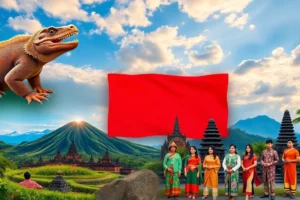
Indonesia, a sprawling archipelago of over 17,000 islands, is host to some of the most imposing and picturesque volcanoes in the world. Its geological dynamism shapes not only the landscape but also the cultural fabric interwoven with myths and legends. Have you ever wondered how these majestic volcanoes become the backdrop to ancient stories that influence the daily lives of the Indonesian people? Dive in as we explore the intersection of these natural wonders with the rich tapestry of myths that thrums beneath the surface of this beautiful nation.
1. The Geography of Fire: Indonesia’s Volcanic Landscape
Indonesia sits on the Pacific Ring of Fire, making it one of the most volcanically active regions on the planet. This tectonic setting has gifted the archipelago with an astonishing variety of volcanoes, both dormant and active. Mount Merapi, for example, is one of the most active volcanoes in the world, constantly reshaping the land around it. Each volcano carries unique characteristics, from the perfectly conical shape of Mount Rinjani to the sprawling caldera of Lake Toba, one of the largest volcanic lakes globally.
2. The Power Within: Understanding Volcanic Activity
The eruptions of these mighty giants are not merely geological phenomena; they are deeply embedded in local lore. The eruption of Krakatoa in 1883 was not just a force of nature; it created a global spectacle, leading to numerous myths about the spirits inhabiting the land and the sea. Locals believed that the explosive power was a manifestation of anger from deities who demanded respect and reverence for the earth.
3. Myths and Legends: The Spirit of the Volcanoes
Each volcano in Indonesia carries with it a plethora of myths, often resulting from the way communities relate to their environment. For instance, the ancient Balinese myth tells of Gunung Agung, the island’s highest mountain, viewed as a symbol of the universe. Locals believe it is a sacred site where the gods descend to Earth. Offerings and ceremonies are conducted regularly, a testament to the enduring belief in the volcano’s sanctity and power. In this context, the volcanic landscape becomes a living narrative, shaped by the interplay of natural forces and human imagination.
4. Awakening Curiosity: The Challenges of Living Near Volcanoes
The life surrounding Indonesia’s volcanoes is not without its challenges. As awe-inspiring as these natural giants are, they pose significant risks. Communities must balance reverence for the volcanoes with the reality of potential eruptions. How does one prepare for the unpredictable fury of Mother Nature while preserving centuries-old traditions? The answer lies in resilience and awareness. Families participate in regular drills and engage with local governments to create early warning systems that blend modern science with ancient wisdom.
5. The Cultural Impact: Festivals and Traditions
Volcanoes profoundly influence local culture, inspiring vibrant festivals that celebrate the earth’s raw power. Bali’s annual festival of Nyepi, or the Day of Silence, is intimately tied to Gunung Agung. This day of reflection and celebration includes a series of rituals, highlighting the belief that the volcano must be appeased. The tradition serves as a moment for purification, where offerings are made to ensure a harmonious relationship with the land, a reminder of the volcano’s omnipresent influence.
6. Ecological Significance: Fertility in Volcanic Soil
Interestingly, the very eruptions that instill fear also enrich the land. The volcanic ash provides fertile soil that is extraordinarily conducive to agriculture. Farmers leverage this bounty, growing diverse crops that form the backbone of local economies. This intricate relationship portrays a delicate balance—what can be destructive can also foster growth and sustenance. One has to ponder: How does the land you live on shape your identity and way of life?
7. Mythical Creatures of the Isles
The narratives surrounding Indonesia’s volcanoes are teeming with mythical creatures. One notable figure is the Naga, a serpent-like dragon said to reside in various volcanoes across the archipelago. This creature is often considered a guardian spirit, embodying both wisdom and fierce protection. Tales of encounters between the Naga and local heroes are common, blurring the lines between reality and myth. These stories create a sense of belonging, grounding communities in a shared history that can be traced back through generations.
8. Conclusion: A Tapestry of Nature and Myth
Indonesia’s volcanoes are more than mere mountains of rock and fire; they are monumental storytellers, deeply integrated into the lives, traditions, and myths of its people. As you delve into this captivating nexus of nature and folklore, the challenge remains: How do we honor the tales that shape our present while preparing for the uncertainties of tomorrow? The volcanic islands of Indonesia offer a profound lens through which we can appreciate the delicate dance between reverence and resilience, myth and reality. In an age of modernization, let us not forget to listen to the stories the earth whispers to us, reminding us of our connection to the land beneath our feet.
FAQ
What is the significance of volcanoes in Indonesia?
Volcanoes in Indonesia are not only geological features; they are central to the local culture, influencing myths, traditions, and agricultural practices.
How do local communities prepare for volcanic eruptions?
Communities engage in drills and collaborate with local governments to create early warning systems that blend modern science with ancient wisdom.



Leave a Reply