Peacocks are not only striking in appearance but also exhibit intriguing behaviors and traits. What is it that makes these birds so captivating? Dive into the vivid world of peacocks—where feathers flair and fascinating behavior take center stage. Can you guess what the most impressive characteristic of a peacock might be? The challenge is to see how many surprising facts you can learn about these remarkable creatures.
1. The Great Showcase of Feathers
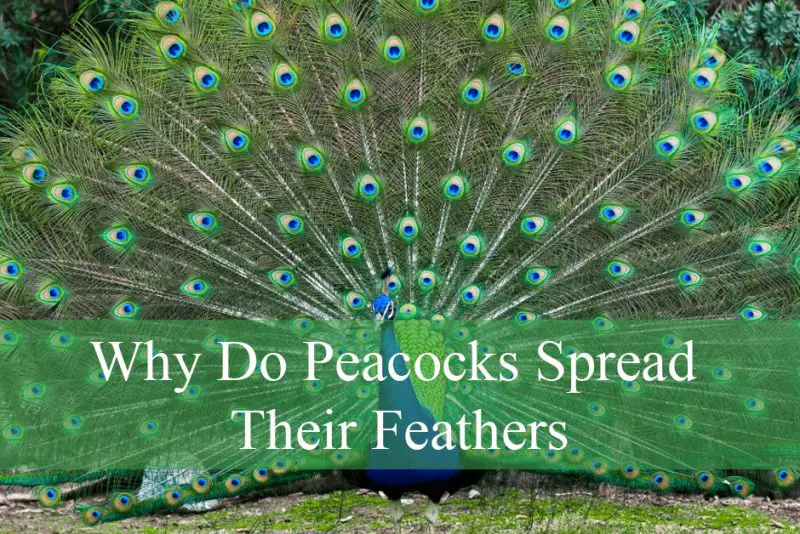
Perhaps the most iconic feature of a peacock is its extravagant tail, known as a train. The male Indian peafowl wears this ornate display, adorned with iridescent eye-like patterns that shimmer in sunlight. This spectacular train can extend up to five feet in length and is a vital component of courtship rituals. Notably, females are less flamboyant, exhibiting more subdued hues. The peacock’s vibrant plumage is an evolutionary marvel that serves a significant purpose: attracting mates. However, this dazzling display is not just for beauty; it also plays a role in communication and signaling vitality to potential partners.
2. Coloration and Iridescence: Nature’s Artistry
The mesmerizing colors of a peacock’s feathers are the result of microscopic structures that reflect light. Unlike pigments that absorb certain wavelengths, the microscopic barbs manipulate light, creating a kaleidoscopic effect. This remarkable phenomenon is called structural coloration. Each feather comprises layers that bend light, producing striking iridescence that can shift with the viewer’s perspective. This natural technology provides peacocks with an additional edge in the mating game. The more vibrant the plumage, the healthier the bird appears.
3. A Complex Courtship Dance
The courtship ritual of peacocks is nothing short of spectacular. During breeding season, males perform elaborate displays designed to woo females. This performance often involves a dramatic fan of their tail feathers, accompanied by a series of calls, postures, and movements. The dance is both a visual feast and an auditory showcase, illustrating the peacock’s vigor and health. Observers might wonder: How many different dances does one peacock have? Each performance can vary greatly, demonstrating individual creativity and spontaneity.
4. Social Structure and Living Quarters
Peacocks inhabit a range of environments, from dense forests to open grasslands. They are social birds and often gather in small groups known as a “party.” Within these parties, one can observe fascinating social dynamics, as peacocks establish hierarchies. Males are often seen posturing, strutting, and calling to assert dominance. Remarkably, during mating season, the social structure can shift dramatically, with dominant males having more access to females. Can you identify the leader of a peacock party just by observing their behavior?
5. The Vocal Repertoire
Not only do peacocks dazzle with their visual displays, but they are also quite vocal. They produce a variety of calls, each serving a specific purpose. The most recognized sound is a loud, piercing scream, often heard during dusk and dawn. This call can convey warnings to other peacocks about potential predators or alert them to changes in their surroundings. Additionally, peafowl use softer calls for communication within their group. Their vocalizations are an integral aspect of social interactions. Who knew that such colorful creatures also had a range of sounds?
6. A Palette of Varieties
While the Indian Peafowl is the most famous, the world of peacocks is diverse. There are several species, each varying in color, size, and habitat. The Green Peafowl, for instance, showcases a unique mix of blue and green hues, while the Congo Peafowl exhibits more earthy tones. These species adaptations have allowed them to thrive in different environments worldwide. The number of peacock species prompts the question: How do different environments shape the evolution of their stunning features?
7. Habitat and Predation
Peacocks primarily inhabit tropical and subtropical regions in South Asia and the areas surrounding them. They thrive in environments that provide ample cover for foraging and nesting. However, despite their grandeur, peacocks are not immune to predation. Predators such as leopards, tigers, and various birds of prey pose threats. To evade danger, peacocks exhibit instinctive behaviors, such as flocking together and utilizing their keen eyesight to survey their surroundings. Their survival tactics underscore a balance between flamboyance and caution.
8. Cultural Significance and Symbolism
Throughout history, peacocks have held significant cultural importance in various societies. In numerous Asian cultures, they symbolize beauty, pride, and grace. In Hindu mythology, they are associated with the goddess Saraswati, symbolizing wisdom and knowledge. Art and literature frequently depict peacocks as emblems of elegance and allure. How do these associations influence current perceptions of beauty and artistry in modern culture?
9. Conservation Status
Despite their stunning appearance, the future of certain peacock species hangs in the balance. Habitat loss, hunting, and the pet trade pose significant risks to their populations. Conservation efforts are underway to preserve their natural habitats and raise awareness about their ecological importance. Ongoing education and advocacy are critical for ensuring these magnificent birds continue to grace our planet. Have you considered how conservation initiatives can reshape our understanding of wildlife preservation?
10. The Challenge of Observing Behavior
With all their captivating traits, peacocks provide a unique opportunity for wildlife enthusiasts and researchers alike. Observing their behaviors in natural settings offers insight into their social structures, mating rituals, and interactions with the environment. Next time you encounter these magnificent birds, take a moment to reflect on their behaviors and the natural wonders they display. Could you take on the challenge of documenting and learning more about the peacocking phenomenon? Each encounter is an invitation to deepen your understanding of these fascinating creatures.
The world of peacocks is teeming with colorful displays and intricate behaviors. From their breathtaking plumage to their complex social structures, these birds captivate our imaginations. As the explorers of their natural grandeur, it is essential to appreciate their beauty while recognizing the need for conservation. In what ways will you engage with the splendid reality of peacocks?