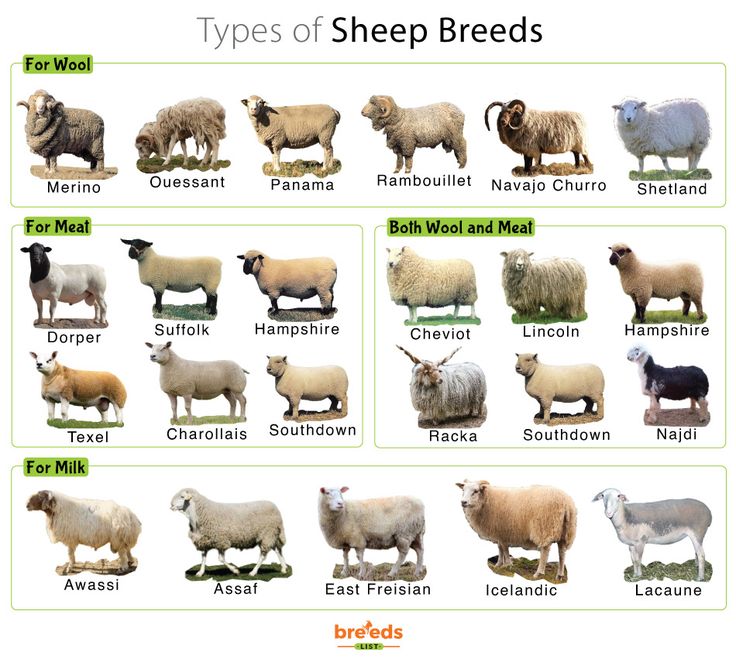
The Dorper sheep, a breed renowned for its resilience and unique characteristics, is a compelling subject for both livestock enthusiasts and agricultural researchers alike. Originating from South Africa, this breed represents a remarkable blend of hardiness, adaptability, and an appealing aesthetic. Let’s delve into some captivating facts that detail the strengths and quirks of this distinctive breed.
1. A Unique Hybrid Origin
The Dorper sheep is a fascinating blend of the Dorset Horn and the Persian Blackhead. This hybrid vigor has resulted in a sheep that not only thrives in challenging environments but also produces high-quality meat. The merging of these two breeds combines the adaptability of the Persian with the robust nature of the Dorset, creating a sheep that can flourish under a variety of conditions.
2. Exceptional Hardiness
One of the standout features of the Dorper sheep is its unparalleled resilience. With a high tolerance for arid environments, this breed is well-suited for regions with limited water sources and harsh climatic conditions. Its short wool coat minimizes the need for shearing while providing a layer of protection against the elements, making it a favorite for farmers in dry and semi-arid areas.
3. Meat Quality to Rival the Best
Dorper sheep are primarily bred for meat production, and they do not disappoint. Known for their exceptional carcass quality, the meat is typically lean, tender, and highly sought after by gourmet chefs and meat connoisseurs. The breed has gained a reputation for producing lamb that is richer in flavor compared to many other sheep breeds, creating a niche market for farmers looking to elevate their offerings.
4. Enterprising Reproductive Traits
The reproductive efficiency of Dorper sheep is another noteworthy characteristic. Ewes are known to have robust breeding cycles and can lamb prolifically, often yielding twins or even triplets. This prolificacy enables farmers to maximize their yields, making the Dorper a lucrative choice for those looking to expand their flocks economically.
5. Behavioral Attributes
Dorper sheep possess a temperament that is generally calm and docile, making them manageable and easy to handle. Their social nature fosters a sense of community within the flock, which is vital for both their mental well-being and the operational efficiency of a farm. This trait is beneficial for farmers who seek to integrate them into a broader livestock management system.
6. Limited Shearing Needs
In a departure from the conventional sheep breeds that require regular shearing, Dorper sheep have a unique attribute: their wool is shed naturally. This self-shedding feature serves a dual purpose: it alleviates the labor associated with traditional wool management and allows the sheep to maintain a comfortable body temperature throughout the year. As a result, farmers save both time and resources.
7. Diverse Coloration
Visually, Dorper sheep stand out with their attractive appearance. The breed varies significantly in color, ranging from the classic blackheaded and white-bodied configuration to an all-white phenotype. This range not only enhances aesthetic appeal but also allows farmers to choose based on personal preference or specific market demands.
8. Climate Adaptability
The Dorper sheep’s ability to adapt to different climates is remarkable. Whether in scorching heat or cooler climates, they exhibit resilience that many other breeds lack. As a result, the Dorper has established a foothold in various countries beyond South Africa, including Australia, the United States, and several regions across Europe.
9. Nutritional Efficiency
When it comes to foraging, Dorper sheep are known for their exceptional ability to utilize a wide range of forage types. They thrive on pasture, shrubs, and even marginal lands, which others may overlook. This adaptability to varied diets allows them to maintain health and productivity even in less-than-ideal grazing conditions.
10. Economic Viability
From a commercial standpoint, Dorper sheep present numerous advantages. With their rapid growth rates, excellent carcass yield, and lower maintenance costs, they emerge as a financially viable option for farmers focusing on sustainable meat production. This combination of traits ensures a positive return on investment, enhancing their popularity within the farming community.
11. Conservation of Heritage Breeds
In an era where genetic diversity is increasingly at risk, Dorper sheep play a pivotal role in conservation efforts. As a breed that emerged through careful selective breeding, they exemplify the importance of maintaining diverse livestock genetics. The popularity of Dorpers spurs interest in preserving not only their lineage but also the cultural significance of sheep farming.
12. Consideration in Climate Change
Given today’s pressing environmental challenges, Dorper sheep provide a beacon of hope. Their resilience and efficiency contribute to sustainable agricultural practices that minimize environmental impact. By integrating breeds like the Dorper into sustainable farming systems, farmers can adapt to climate change while optimizing productivity.
Conclusion
The Dorper sheep is more than just a breed; it represents a paradigm shift in modern sheep farming characterized by resilience, economic advantages, and a unique twist on traditional livestock management. Whether you are a farmer, a meat enthusiast, or simply curious about livestock, the characteristics of Dorper sheep encourage a fresh perspective on what these remarkable creatures can offer. This breed exemplifies how agricultural innovation and natural selection can yield remarkable results, configuring the future of sustainable sheep farming.