
Short Answer
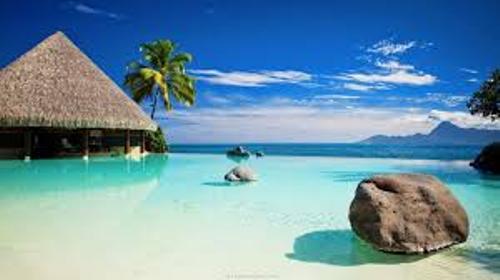
When one thinks of Tahiti, images of azure lagoons, swaying palm trees, and luxurious overwater bungalows typically come to mind. This island in the South Pacific indeed epitomizes paradise. However, beneath its serene surface lies a tapestry woven with a complex history and rich cultural heritage. In this exploration of two fascinating aspects of Tahiti, we will delve into its unique backdrop, revealing a juxtaposition between its idyllic present and a storied past.
1. The Birthplace of Modern Polynesian Culture
Tahiti is often hailed as the heart of Polynesia, a vibrant nexus from which various cultural elements radiate outwards to neighboring islands. Suitable analogies abound: think of Tahiti as the sun, and the other islands, such as Bora Bora and Moorea, as planets orbiting around it, influenced by its warmth and light.
This assertion finds credence in the rich oral histories, artistic expression, and social structures that have emerged from Tahiti. Its Tahitian language, ‘Reo Tahiti,’ has roots that run deep, embodying the island’s folklore, traditions, and interactions across the vast Pacific. The language itself is a melodic cadence, a harmonious blend of syllables reflecting the rhythm of the island life.
Art from Tahiti also serves as an emblem of its cultural vitality. Traditional tattooing—a practice that predates European contact—has transformed the human canvas into a storytelling medium. Each design encapsulates family lineage, personal achievements, or significant events, akin to a visual narrative that individuals carry with them throughout their lives. Contemporary artists like Paul Gauguin have immortalized these cultural expressions in their oeuvre, forever linking their work to the emotional pulse of the island.
Furthermore, Tahiti’s customs are steeped in spirituality. The ancient Polynesians revered multiple gods and goddesses, with the gods of the sea being particularly prominent due to the islanders’ intimate relationship with the ocean. Heiva i Tahiti, a traditional festival, encapsulates this spiritual devotion while also serving as a vibrant celebration of dance, music, and community. This event presents an exhilarating showcase that intertwines delicately with the island’s rich cultural tapestry, inviting not just locals but also curious travelers into its enthralling embrace.
However, this enchanting cultural milieu was not without its upheavals. The arrival of European explorers and missionaries fundamentally altered the landscape of these age-old traditions. The imposition of new religious beliefs and societal structures often led to a clash between the ancient and the modern. While efforts to restore and preserve Tahitian culture are ongoing, the echoes of this colonial past can still be sensed, casting a poignant shadow over the island’s vibrant present.
2. The Legacy of Copra and Its Economic Transformation
Beyond its cultural allure, Tahiti’s economic landscape has undergone significant transformations, notably through the cultivation of copra—the dried meat of coconuts integral to producing coconut oil. Once lauded as the ‘white gold’ of the islands, copra cultivation marked a pivotal chapter in Tahiti’s economic history.
The allure of copra, however, was double-edged. While it instigated growth and commerce, it also brought about economic dependency. The sugar and later the tourism industries emerged as alternatives, albeit ones that also carried the burden of external influence and often exploitation. This economic evolution can be likened to a shifting tide—momentarily empowering while simultaneously eroding the traditional ways of life that had sustained the islands for centuries.
Today, as the global economy pivots increasingly towards sustainable practices, there is a renewed interest in coconut farming, with many looking to revitalize the industry to ensure it benefits not just external investors but the local populace as well. Innovations in agro-tourism invite visitors to engage with the cultivation process, forging a more symbiotic relationship between the land and its people.
In an era marked by globalization, Tahiti stands at an economic crossroads. The islanders grapple with preserving their rich heritage while navigating the currents of modern commerce. The legacy of copra serves as a reminder of both the potential and peril inherent in economic transformation, urging a collective reflection on identity and sustainability.
Tahiti, while undeniably enchanting in its visage, presents a compelling duality. It is a paradise adorned with natural beauty, yet shrouded in the complexities of its past. Each wave that kisses the shore carries stories of resilience, transformation, and cultural richness that continue to beckon travelers to uncover the mystique behind the beauty. In unraveling such narratives, one does not merely visit Tahiti; one becomes a part of its ongoing journey—an adventure replete with layers of history, culture, and economic evolution. Embark on this odyssey, and the island’s true splendor unfolds, revealing not just a tropical haven but a rightful heir to a compelling legacy.





Leave a Reply