
Short Answer
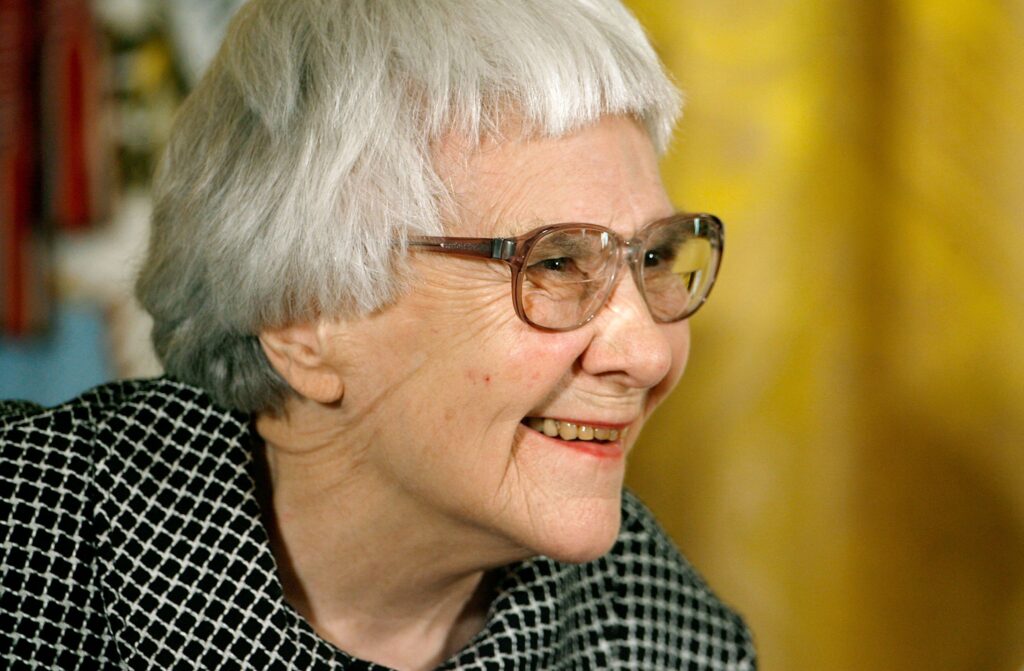
Harper Lee, the celebrated author of “To Kill a Mockingbird,” has captivated readers with her profound understanding of humanity, morality, and social justice. As we delve into the life of this remarkable woman, we uncover a mosaic of experiences that shaped her worldview and fueled her literary prowess. Here is an exploration of facts about Harper Lee, unraveling the intricacies of the mind behind one of America’s most revered novels.
1. Early Beginnings: A Southern Heritage
Born on April 28, 1926, in Monroeville, Alabama, Nelle Harper Lee was raised in the heart of the Deep South. Her upbringing in a racially charged environment would later profoundly influence her writing. Growing up in a small town, she experienced the idiosyncrasies of Southern life, which served as a backdrop for much of her narrative in “To Kill a Mockingbird.”
2. Literary Influences: A Formative Education
Lee’s passion for literature was ignited at a young age. She developed an affinity for authors such as William Faulkner and Jane Austen. Her family atmosphere was steeped in literature; her father was a lawyer and a journalist, while her mother was a homemaker. The intellectual dialogues at home, combined with her education at Huntingdon College and the University of Alabama, provided an eclectic mix of inspiration and knowledge.
3. The Friendship with Truman Capote
Harper Lee’s friendship with fellow author Truman Capote was a significant chapter in her life. Their bond began in childhood and blossomed into a collaborative, creative partnership. Capote’s approach to writing influenced Lee’s narrative style. In turn, she assisted him with research for his landmark novel, “In Cold Blood.” This relationship underscored the dynamic interplay of creativity, ultimately shaping both writers’ futures.
4. The Writing of “To Kill a Mockingbird”
Published in 1960, “To Kill a Mockingbird” was an audacious exploration of racial injustice and moral integrity set in the fictional town of Maycomb, Alabama. The book was groundbreaking, offering a child’s perspective on issues that resonate with adulthood’s complexities. The narrative structure, seen through the eyes of young Scout Finch, invites readers to reflect on their views of goodness, innocence, and prejudice.
5. Accolades and Legacy: The Pulitzer Prize
Lee’s debut novel was met with critical acclaim, earning her the Pulitzer Prize for Fiction in 1961. The book’s profound thematic elements and its refusal to shy away from uncomfortable truths about society solidified its status as a classic. This achievement not only established Lee as a formidable voice in American literature but also secured her legacy as a champion for social justice.
6. A Reclusive Life
Despite her literary success, Harper Lee was notoriously reclusive. She shunned the limelight and often evaded interviews, preferring a life of solitude. This aversion to fame added an enigmatic layer to her persona. While she never published another novel during her lifetime (until a controversial manuscript was released in 2015), her singular work continued to resonate through generations.
7. The Controversial Release of “Go Set a Watchman”
In 2015, Lee’s second novel, “Go Set a Watchman,” emerged, generating a mix of excitement and skepticism. This novel was initially written before “To Kill a Mockingbird,” presenting an adult Scout Finch grappling with her ideals and her father’s legacy. Critics posited that this work offered a jarring counterpoint to the innocence portrayed in her more famous book, challenging readers to reassess their understandings of morality and maturity.
8. A Social Critic: Beyond Fiction
While acclaimed for her literary contributions, Lee’s real-life actions reflected her commitment to social issues. She became an advocate against racial inequality and an ally to those marginalized by society. Her engagement in civil rights discussions, albeit quietly, underscored the genuine convictions that permeated her work. Lee’s life was a testament to the adage that art reflects life, creating a compelling relationship between her narratives and her activism.
9. Inspirations from Real Life
The character of Atticus Finch, Lee’s moral compass for “To Kill a Mockingbird,” was inspired by her father, Amasa Coleman Lee. He was known for his own principled stance on social justice and equality, rendering him a real-life hero for his daughter. Lee drew from her own community and experiences, blending fiction with the vivid realities of her youth to create characters that embody noteworthy ideals.
10. Enduring Impact and Continued Relevance
Harper Lee’s work transcends temporal and geographical boundaries, continuing to resonate with readers around the world. “To Kill a Mockingbird” remains a staple in educational settings, offering critical discourse on topics of race, morality, and empathy. The themes explored in her work retain an unnerving relevance, prompting ongoing discussions about justice and humanity in contemporary society.
11. A Lasting Influence on Literature and Culture
Harper Lee’s contributions to literature extend far beyond her singular novel. She has inspired countless writers to explore difficult themes through the innocence of youth. The moral dilemmas characterized in her work serve as a reminder of the complexities of human nature, influencing genres and themes across literature to this day. Her voice continues to be a touchstone for those grappling with ethical conundrums in fiction and society.
In conclusion, Harper Lee remains an indomitable figure in American literary history. Her capacity for eloquence in the face of adversity, coupled with her unique perspective, elevates her work beyond mere storytelling. “To Kill a Mockingbird” is not just a novel; it is a profound exploration of what it means to be humane in an often inhumane world, a sentiment that reverberates with unwavering potency.
FAQ
What is Harper Lee best known for?
Harper Lee is best known for her novel ‘To Kill a Mockingbird,’ which explores themes of racial injustice and moral growth.
Did Harper Lee publish any other novels?
Yes, she published ‘Go Set a Watchman’ in 2015, which is a sequel to ‘To Kill a Mockingbird.’
What influenced Harper Lee's writing?
Lee’s upbringing in Alabama, her family background, and her friendships with other writers, particularly Truman Capote, heavily influenced her writing.





Leave a Reply