
Short Answer
Have you ever gazed into the vast ocean, wondering what magnificent creatures inhabit its depths? Among the many wonders, the manta ray stands out as a true gentle giant, evoking a sense of awe and curiosity. But what makes these mesmerizing animals so captivating? In this exploration of five fascinating facts about manta rays, we’ll unravel the mysteries surrounding these remarkable beings while inviting you to ponder: What challenges do we face in conserving such incredible marine life?
1. Enigmatic Dimensions and Wingspan
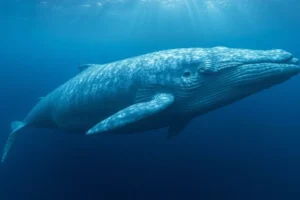
The manta ray (Manta spp.) possesses a grandeur that is hard to overlook. These aquatic marvels boast an impressive wingspan that can exceed up to 29 feet, making them among the largest species of rays. Imagine a creature gliding through the water with wings that span wider than a small car! Despite their size, manta rays are known for their graceful movements, often performing breath-taking aerial displays that can leave observers in sheer wonder. However, their impressive dimensions come with a vulnerability, as habitat destruction and fishing pressures have negatively impacted their populations, presenting a significant conservation challenge.
2. Remarkable Intelligence
Among the myriad of marine species, manta rays are often regarded as surprisingly intelligent. Researchers have demonstrated their ability to recognize themselves in mirrors, a phenomenon that showcases self-awareness—a trait not commonly found in marine animals. This cognitive proficiency suggests that manta rays have a level of learning and memory that is crucial for their survival. They exhibit complex social behaviors, often forming schools and engaging in playful interactions. This intelligence presents a unique opportunity for marine enthusiasts and conservationists alike to further study the social structures and needs of these majestic beings. Yet, how can we use this information to better protect their habitats and promote coexistence with local communities?
3. Filter Feeders with a Purpose
While many may associate rays with predatory behaviors, manta rays are gentle filter feeders, practiced at extracting plankton and small organisms from the water column. Utilizing their enlarged mouths and specialized gill rakers, they create a fascinating spectacle, often seen gracefully swimming with their mouths open wide, filtering these microscopic morsels. This feeding strategy not only sustains their massive bodies but also plays a vital role in maintaining the health of marine ecosystems. As they consume plankton, they help regulate their populations, impacting the overall balance of marine food webs. Nevertheless, the challenge remains: how can we safeguard the delicate interdependencies of these ecosystems amid rising ocean temperatures and acidification?
4. Migration and Global Travels
Manta rays are known for their migratory habits, traveling great distances in search of food and suitable breeding grounds. Some populations are known to traverse thousands of miles across the open ocean, following the currents and seasonal blooms of plankton. This migratory behavior underscores their adaptability to changing environments. Yet, with increasing threats such as climate change, pollution, and human activity, these migratory routes are becoming increasingly perilous. How can we better understand their migratory patterns in order to establish effective conservation measures and protect these beautiful travelers of the sea?
5. Cultural Significance and Mythology
Throughout history, manta rays have captivated human imagination and inspired cultural narratives across various civilizations. In some cultures, they are regarded as symbols of grace and protection, often linked with oceanic deities and folklore. Their graceful glide through the water has become synonymous with freedom and tranquility. Additionally, recent research has hinted at their potential role in ecotourism, with many diving enthusiasts seeking encounters with these gentle giants in their natural habitats. However, the challenge lies in ensuring that such interactions are sustainable and responsible, safeguarding both the manta rays and their ecosystems. As stewards of our oceans, how can we balance the allure of ecotourism with the need for conservation and respect for these magnificent creatures?
In conclusion, manta rays are not merely magnificent creatures of the sea; they embody a range of biological marvels and ecological significance that we are only beginning to comprehend. From their staggering size and intelligence to their vital ecological roles and deep-rooted cultural significance, these gentle giants are worthy of our admiration and protection. As you reflect on these five gentle-giant facts, consider the questions posed regarding the challenges they face in our rapidly changing world. It is our responsibility to take a stand—to protect the serene world that manta rays inhabit and nurture the bond between humanity and the ocean. Through awareness and proactive conservation efforts, we can ensure that future generations will have the opportunity to encounter and cherish these extraordinary beings.
FAQ
What is the typical size of a manta ray?
Manta rays can have a wingspan reaching up to 29 feet, making them among the largest rays in the ocean.
How do manta rays feed if they are not predators?
They feed by filter feeding, swimming with their mouths open to capture plankton and tiny organisms.
Are manta rays endangered?
Manta rays face threats from habitat destruction, fishing pressures, and environmental changes, making conservation efforts critical.
What behaviors demonstrate manta ray intelligence?
They have shown self-recognition in mirrors and engage in social and playful behaviors indicating high intelligence.
How are manta rays important to marine ecosystems?
By feeding on plankton, manta rays help regulate plankton populations, contributing to the health of marine food webs.



Leave a Reply