
Short Answer
Speech-language pathologists (SLPs) play a crucial role in the intricacies of communication and swallowing, yet the science underlying their work often remains shrouded in mystery. By delving into the depth of speech science, we can unravel compelling facts that illuminate the importance of this field, stimulating both interest and understanding. This exploration promises not only to enhance your grasp of speech-language pathology but also to invigorate your appreciation for the complexities of human communication.
1. The Complexity of Speech Production
Speech production is a remarkable feat of human engineering. It involves the coordinated efforts of the respiratory system, vocal folds, and articulators, including the tongue, lips, and palate. At the heart of this process lies the intricate interplay between neural pathways and physical movements. The brain’s motor cortex orchestrates a symphony of muscle contractions that generate sounds, demonstrating how every utterance is a concert of biological and cognitive functions.
2. The Role of Neuroplasticity
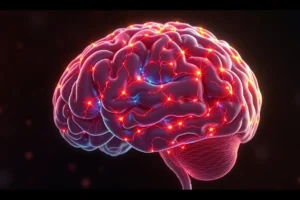
Neuroplasticity—the brain’s ability to reorganize itself by forming new neural connections—plays a pivotal role in speech therapy. This phenomenon enables patients to recover lost communication skills and gain new ones. For instance, individuals who have suffered strokes may find that through targeted SLP interventions, their brain can adapt and reroute verbal functions, thereby facilitating their journey toward rehabilitation. This unwinding of neural pathways underpins the very foundation of speech therapy, offering hope to those in need of recovery.
3. The Science of Phonetics
Phonetics, the study of sounds, is a cornerstone of speech-language pathology. It probes into the precise articulation of speech sounds (phonemes) and can be divided into three branches: articulatory, acoustic, and auditory phonetics. Each aspect unveils different dimensions of communication, shedding light on how sounds are formed, transmitted, and perceived. Understanding these categories enhances SLPs’ ability to diagnose and treat speech disorders, tailoring interventions to individual needs.
4. Language Acquisition and Development
The journey of language acquisition begins long before a child utters their first word. Infants display innate abilities to distinguish different sounds and phonetic patterns long before they can articulate them verbally. This remarkable sensitivity to language can have a lasting impact on their cognitive and social development. SLPs leverage this knowledge of developmental milestones to guide parents and caregivers, fostering robust language environments that nurture communication skills.
5. Augmentative and Alternative Communication (AAC)
Some individuals face profound challenges in expressing themselves verbally, yet technology has paved the way for transformative solutions. Augmentative and Alternative Communication (AAC) encompasses a variety of systems, from simple picture boards to sophisticated speech-generating devices. These tools empower individuals with speech impairments to communicate effectively, thereby reducing feelings of isolation and enhancing social interaction. Understanding the versatility and range of AAC helps to reshape perceptions about communication barriers.
6. The Impact of Socioeconomic Factors
Access to speech therapy services can significantly affect outcomes, particularly among marginalized populations. Socioeconomic factors—including income, education level, and geographical location—can either facilitate or hinder access to crucial SLP services. This disparity often results in a cycle of communication deficits and broader educational challenges. Advocating for equitable access to these services remains a pressing issue within the field, igniting a dialogue about social responsibility in public health.
7. Multidisciplinary Collaboration
Speech-language pathologists do not operate in isolation; their work thrives within a collaborative ecosystem of healthcare professionals. Working alongside psychologists, occupational therapists, and educators, SLPs employ a holistic approach to patient care. This interdisciplinary collaboration enriches treatment plans and broadens the understanding of a patient’s needs, fostering comprehensive strategies that address both speech and concomitant disorders.
8. The Emotional Connection of Communication
Beyond the mechanics of speech lies the profound emotional connection it fosters among individuals. Communication is intrinsically linked to identity, social relationships, and self-esteem. For individuals who struggle with speech or language disorders, this struggle can lead to feelings of frustration, loneliness, and diminished self-worth. SLPs, therefore, not only focus on the technical aspects of speech but also on the emotional well-being of their clients. This holistic perspective emphasizes the importance of empathy and patience in the therapeutic process.
9. The Future of Speech Therapy: Telepractice
The rise of digital technology has revolutionized the practice of speech-language pathology through the advent of telepractice. This innovative approach allows SLPs to deliver therapy services remotely, breaking geographical barriers and expanding access to care. Patients can now receive expert guidance from the comfort of their homes, making therapy more accessible and convenient. As telepractice continues to evolve, it promises to reshape the landscape of speech therapy, ensuring that more individuals can benefit from the crucial services offered by SLPs.
In conclusion, the world of speech-language pathology is rich with fascinating insights that extend far beyond typical understanding. Each fact serves as a reminder of the profound impact communication has on our daily lives and the intricate sciences that support it. By exploring these dimensions, we not only nurture curiosity but also foster a deeper appreciation for the invaluable contributions of speech-language pathologists in helping individuals navigate the complexities of communication. As we become more aware of these speech-science facts, we can advocate for greater awareness and accessibility within this essential field.
FAQ
What does a speech-language pathologist do?
A speech-language pathologist assesses, diagnoses, and treats communication and swallowing disorders to help individuals improve their speech, language, and cognitive-communication abilities.
How does neuroplasticity relate to speech therapy?
Neuroplasticity refers to the brain's ability to reorganize itself, which enables patients to recover and improve communication skills through targeted speech therapy interventions.
What is augmentative and alternative communication (AAC)?
AAC includes tools and methods such as picture boards or speech-generating devices that assist individuals who have difficulties with verbal communication.
How has telepractice changed speech therapy?
Telepractice allows speech therapy to be delivered remotely via digital technology, increasing accessibility and convenience for patients regardless of geographic location.
Why is socioeconomic status important in speech therapy outcomes?
Socioeconomic factors influence access to speech therapy services, often creating disparities in treatment and outcomes, particularly for marginalized populations.




Leave a Reply