
Short Answer
Talking is a quintessential part of the human experience—a remarkable phenomenon that facilitates communication, conveys emotions, and fosters relationships. But beyond the everyday exchanges of words and phrases lies a wealth of scientific intrigue that reveals the intricacies of this seemingly simple activity. Here, we explore seven captivating facts about talking that not only illuminate the biological and psychological underpinnings of speech but also hint at the deeper reasons we find ourselves so fascinated by this profound act.
1. The Brain’s Speech Centers
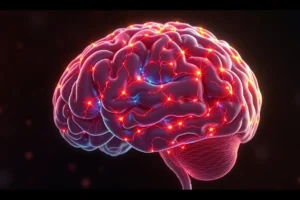
The ability to articulate words emerges from complex brain mechanisms, primarily involving two critical areas known as Broca’s area and Wernicke’s area. Located in the left hemisphere of the cerebral cortex, these regions are responsible for language production and comprehension, respectively. Damage to Broca’s area can result in slow, laborious speech that lacks grammatical structure, a condition known as Broca’s aphasia. On the contrary, Wernicke’s area impairment leads to fluent but nonsensical speech, a phenomenon termed Wernicke’s aphasia. This dichotomy in language processing unveils the brain’s architectural finesse in managing the multifaceted nature of communication.
2. The Role of Mirror Neurons
Ever wondered why you often mimic the words, tones, or even gestures of those around you? The answer lies in mirror neurons—specialized cells that activate both when we perform an action and when we observe someone else performing the same action. These neurons are thought to play a pivotal role in empathy and social interaction, enabling a deeper understanding of the speaker’s intent. When engaged in conversation, this neural mirroring contributes to a shared emotional experience, fostering rapport and connection, which can be particularly significant in high-stakes situations where empathy is paramount.
3. Speech and Identity
Our voice is an integral part of our identity, encapsulating personal and cultural narratives within its timbre and resonance. Phonetics, the study of sounds in human speech, reveals how accents and dialects serve as markers of regional and social identity. Acoustic properties such as pitch, tone, and rhythm not only convey linguistic meaning but also signal the speaker’s background and cultural affiliations. This nuanced interplay between speech and self-perception underscores a fundamental desire for connection and belonging, reflecting how language can be both a tool for communication and a vessel for identity.
4. The Impact of Non-Verbal Communication
Talking is not just a verbal exercise; it intertwines with a rich tapestry of non-verbal communication—gestures, facial expressions, and body language—that significantly enhance the meaning of words. Studies suggest that up to 93% of communication effectiveness stems from non-verbal signals, challenging the notion that words alone convey meaning. For instance, a simple phrase paired with a warm smile can change its emotional impact entirely. This potent combination showcases the complexity of human interactions and hints at an innate sophistication in how we navigate social landscapes.
5. The Science of Chitchat
Small talk, often dismissed as frivolous, plays an essential role in building social bonds and fostering connections. According to research, engaging in light conversations activates the brain’s reward system, releasing neurotransmitters like dopamine—often associated with pleasure and reinforcement. This phenomenon explains why seemingly trivial exchanges can leave us feeling uplifted and more connected to others. Furthermore, these interactions serve as gateways to deeper conversations, providing a context for trust and camaraderie. The neuroscience behind chitchat reaffirms its intrinsic value in nurturing human relationships.
6. The Evolution of Language
The evolution of human language is a profound testament to our species’ cognitive capabilities. It’s believed that language began with simple sounds that gradually became more complex. The transition from basic vocalizations to structured languages mirrors key evolutionary advances, permitting enhanced problem-solving, social cooperation, and the transmission of knowledge across generations. Such linguistic progression is indicative of an innate drive towards collaboration and understanding, revealing the deep-seated need to convey one’s thoughts and emotions in an increasingly sophisticated manner.
7. Talking and Mental Health
Engaging in conversations can have remarkable implications for mental health. Studies have demonstrated that verbalizing one’s thoughts and feelings, whether through casual dialogue or therapeutic settings, can mitigate stress and enhance emotional well-being. The act of talking creates pathways to cognitive clarity, allowing individuals to process experiences, gain insights, and foster resilience. This therapeutic aspect of speech underscores its role not just as a communication tool but as a vital mechanism for emotional regulation and psychological healing.
In conclusion, the science of talking encapsulates an intricate interplay of neural, social, and emotional dimensions that enrich our lives. Each facet—from the biological underpinnings in our brains to the cultural nuances in our accents—reflects a profound complexity that transcends mere conversation. As we delve deeper into the science of speech, we unearth not only the mechanics of communication but also the very essence of what it means to be human. Talking is not just an exchange of words; it is a deeply ingrained instinct, a testament to our desire for connection, understanding, and belonging in an ever-evolving world.
FAQ
What parts of the brain control talking?
Broca's area controls speech production, while Wernicke's area manages language comprehension.
Why do people mimic others when talking?
Mirror neurons cause us to mimic words, tones, and gestures, promoting empathy and social bonding.
How important is body language in communication?
Body language and facial expressions are crucial, making up the majority of effective communication.
Can talking improve mental health?
Yes, engaging in conversation helps reduce stress and supports emotional well-being.
What is the significance of small talk?
Small talk activates pleasure centers in the brain, helping build trust and social connections.




Leave a Reply