
Short Answer
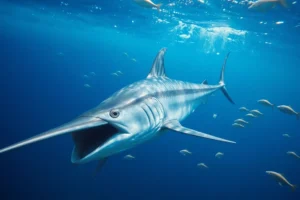
Cartilaginous fish, primarily represented by sharks and rays, inhabit our oceans and represent some of the most fascinating and enigmatic classes of vertebrates. Their unique anatomical structures, ecological roles, and evolutionary history weave a complex narrative that continues to captivate marine biologists and ocean enthusiasts alike. Below are ten intriguing facts about cartilaginous fish that illuminate their unique characteristics and implications for our understanding of marine life.
1. Cartilage Over Bone
Unlike bony fish, which have skeletons composed of calcified bone, cartilaginous fish possess skeletons made entirely of cartilage. This semi-rigid, flexible connective tissue allows them to be lighter and more buoyant in the water. The absence of heavy bones means that many shark species can glide through the sea with unparalleled agility, optimizing their predatory prowess and evasive capabilities. The evolutionary advantages of cartilage have prompted scientists to study how this tissue performs under various environmental conditions.
2. Ancient Lineage
Cartilaginous fish are among the most ancient groups of vertebrates, with origins dating back over 400 million years. Fossil records suggest that their ancestors coexisted with dinosaurs, showcasing their remarkable adaptability through geological epochs. This ancient lineage offers scientists a glimpse into the evolutionary adaptations that have allowed these creatures to survive in changing environments. Their resilience serves as a testament to the robustness of their biological design.
3. Unique Teeth Structure
The dentition of cartilaginous fish is as distinctive as their anatomy. Sharks, for instance, have multiple rows of teeth that can be replaced throughout their lifetimes; some species can shed and regrow thousands of teeth in a single lifetime. This adaptation not only ensures they maintain an efficient hunting arsenal but also illustrates their evolutionary response to wear and tear from predation. The arrangement and structure of teeth vary significantly among species, reflecting their dietary needs and hunting strategies.
4. Electroreception
Many species of cartilaginous fish possess a remarkable sense known as electroreception, which enables them to detect the electric fields generated by other organisms. Specialized sensory organs called ampullae of Lorenzini, located on their snouts, allow them to navigate their environment, locate prey, and even communicate with one another. This evolutionary trait highlights their sophisticated adaptations and offers insight into how these creatures interact within their ecosystems.
5. The Role of Ampullae of Lorenzini
The ampullae of Lorenzini not only assist in electroreception but also play a crucial role in other sensory modalities, such as thermoreception. Cartilaginous fish can detect minute temperature changes, which aid in locating warm-blooded prey and navigating varying oceanic temperature gradients. This heightened sensitivity contributes to their efficiency as predators in a vast and often turbulent marine environment, emphasizing the complexity of their ecological niches.
6. Diverse Reproductive Strategies
Cartilaginous fish exhibit a range of reproductive strategies, from oviparous (egg-laying) to viviparous (live-bearing) methods. Some species, like the hammerhead shark, lay eggs that can develop remotely, while others, such as the great white shark, nurture embryos within their bodies until they are fully developed. This diversity in reproductive strategies enables them to adapt to various environmental conditions, thereby enhancing their ecological resilience and population viability.
7. Cartilage Regeneration
Research suggests that cartilage may possess superior regenerative properties compared to bone. This capacity for regeneration presents exciting possibilities for medical science, particularly in the field of tissue engineering and regenerative medicine. Scientists are investigating the mechanisms that allow cartilage fish to regenerate damaged tissues, which could offer insights into novel therapeutic approaches for human injuries and degenerative diseases.
8. Conservation Challenges
Despite their long history, many species of cartilaginous fish face significant threats due to human activities, including overfishing, habitat destruction, and climate change. Sharks and rays play vital roles in maintaining healthy marine ecosystems, influencing the populations of species below them in the food chain. The decline of these apex predators can lead to imbalances, with cascading effects on marine biodiversity and ecosystem integrity.
9. Ecotourism and Research Opportunities
The complex behaviors and majestic presence of cartilaginous fish offer rich opportunities for ecotourism and scientific research. Activities such as shark cage diving and educational conservation tours can foster public interest and awareness about marine ecosystems. Furthermore, ongoing studies on their biology and behaviors can lead to deeper understandings of their roles within marine environments, potentially aiding in their conservation.
10. The Fascination with Sharks and Rays
Sharks and rays elicit a profound fascination among the public, often driven by their portrayal in popular media. This intrigue is compounded by their remarkable physical adaptations and mysterious behaviors, encouraging both admiration and fear. Dispelling myths and cultivating a more nuanced understanding of these creatures is vital for fostering conservation efforts and sustainable practices in ocean ecosystems. Their enigmatic nature continues to inspire awe, sparking curiosity that leads to deeper explorations of the marine world.
In conclusion, cartilaginous fish are not only remarkable in their anatomical features and evolutionary history but also crucial players in maintaining the health of oceanic environments. By uncovering the rich tapestry of their biology and behaviors, we gain invaluable insights into the workings of marine ecosystems and the importance of safeguarding their existence. Understanding and preserving these prehistoric denizens of the deep serves not only the purpose of ecological integrity but invites generations to marvel at the complexities of life beneath the waves.
FAQ
What are cartilaginous fish?
Cartilaginous fish are fish whose skeletons are made of cartilage rather than bone. This group includes sharks, rays, and skates.
How do cartilaginous fish sense their environment?
They use specialized organs called ampullae of Lorenzini to detect electric fields and temperature changes, aiding in navigation and hunting.
Why is cartilage important for these fish?
Cartilage is lighter and more flexible than bone, allowing for greater buoyancy and agility in water.
What threats do cartilaginous fish face?
They face threats from overfishing, habitat destruction, and climate change, which impact their populations and marine ecosystem balance.
Can cartilage fish regenerate damaged tissues?
Research indicates cartilaginous fish have superior regenerative abilities in their cartilage, which is being studied for medical applications.




Leave a Reply