
Short Answer
Carnivorous plants possess an allure that captivates the imagination. These remarkable organisms, often found in nutrient-deficient environments, have ingeniously adapted to lure, trap, and digest unsuspecting prey, typically insects. This unique trait not only underscores the complexity of the botanical world but also ignites curiosity about their ecological roles and evolutionary significance. Below are ten fascinating and somewhat sticky fun facts about carnivorous plants that shed light on their extraordinary adaptations and the wonders of nature.
1. The Diversity of Carnivorous Plants
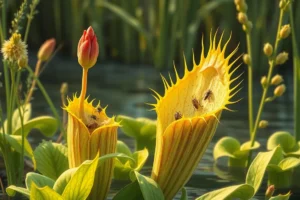
Across the globe, over 600 species of carnivorous plants exist, encompassing a range of forms, from the iconic Venus flytrap to the enigmatic sundews. Each species has adapted unique mechanisms for trapping prey, showcasing a variety of shapes and sizes. For instance, while the flytrap employs snapping leaves, some drosera species use a sticky glandular surface to ensnare their victims, demonstrating nature’s diverse strategies for survival.
2. Trapping Mechanisms Galore
Carnivorous plants employ an array of trapping mechanisms that exhibit not only function but also elegance. The pitcher plant, with its vase-like structure, captures insects that slip into its slippery interior. Meanwhile, the butterwort utilizes a mucilaginous secretion to ensnare its prey, effectively transforming its leaves into a lethal adhesive. Such exquisite adaptations highlight the fierce competition for resources in their often inhospitable habitats.
3. Nutritional Necessity
While plants typically derive their nutrients from soil, carnivorous plants have evolved to derive essential minerals from their prey. Often found in wetlands or acidic environments deficient in nitrogen, these plants utilize their carnivorous adaptation to supplement their nutrient intake, showcasing an intricate balance between their predatory habits and ecological niche. This nutritional necessity turns a mere survival strategy into a thriving lifestyle.
4. Enter the Sweetness Trap
Many carnivorous plants employ intriguing tactics to lure their prey. The sundew, for instance, secretes a glistening, sugary substance from its tentacle-like glandular hairs, enticing insects with the promise of a sweet reward. Unlike typical plants that rely on photosynthesis alone, these seductive strategies underscore an evolutionary creativity that fosters biodiversity in their ecosystems.
5. The Art of Digestion
Once an insect falls victim to these predatory plants, the process of digestion begins. Enzymes released by the plant break down proteins, allowing the plant to absorb nutrients. This transformation is akin to a small-scale ecosystem within the confines of the plant, illustrating the complexity of life in the plant kingdom. These processes can take anywhere from a few days to several weeks, depending on environmental conditions and the size of the prey.
6. Evolutionary Wonders
The evolution of carnivorous plants presents a captivating case study in adaptive biology. These plants have developed their carnivorous traits independently in various lineages, resulting in convergent evolution. As a result, similar traits have emerged in vastly different species in response to analogous environmental pressures. This phenomenon underscores the resilience of life and the myriad pathways through which it can adapt.
7. Homegrown Hunters
Carnivorous plants are often found in regions where competition for nutrients is fierce; therefore, their adaptations not only grant them a unique edge but also highlight a profound connection to their ecosystem. In many cases, their predatory nature helps regulate insect populations, contributing to a balanced environment. This dual role as both predator and prey enshrines these organisms in the delicate web of life.
8. For the Aesthetics
Beyond their carnivorous nature, many of these plants are also celebrated for their stunning aesthetics. Vibrant colors, intricate shapes, and fascinating textures make them popular among collectors and botanists alike. The allure of the Venus flytrap extends beyond its predatory instincts; its unique morphology adds a striking visual component to any garden, attracting enthusiasts and curious onlookers.
9. A Fragile Existence
Despite their phenomenal adaptations, many carnivorous plant species face existential threats due to habitat loss, climate change, and overharvesting. Conservation efforts are paramount to ensure the survival of these remarkable plants and their environments. Protecting these unique ecosystems means safeguarding the intricate balance that sustains them, highlighting the interconnectedness of species and ecological health.
10. Carnivorous Plant Cultivation
For those intrigued by the world of carnivorous plants, cultivation can be an immensely rewarding endeavor. Growing these plants requires specialized knowledge and care, as most species thrive in specific conditions, such as high humidity or acidic soil. Enthusiasts can create home-grown environments that mimic these conditions, offering an opportunity to witness these fascinating plants in action and contribute to their conservation.
In conclusion, carnivorous plants represent a marvelous intersection of beauty and brutality within the natural world. Their specialized adaptations reveal the intricacies of plant life and underscore the delicate balance of ecosystems. With over 600 species exhibiting a mesmerizing diversity of forms and functions, these plants ignite a deeper appreciation for the complexity of nature and the creative ways in which life persists. Their unique lifestyle serves not only as a reminder of the wonders of evolution but also as a call to attention for conservation efforts needed to protect these remarkable organisms. Explore the captivating world of carnivorous plants and witness nature’s artistry unfold before your eyes.
FAQ
What defines a carnivorous plant?
A carnivorous plant is one that captures and digests animals to supplement its nutrient intake.
How do carnivorous plants digest their prey?
They secrete enzymes that break down the prey's proteins, allowing absorption of nutrients.
Why are carnivorous plants important ecologically?
They help control insect populations and adapt to challenging environments, contributing to ecosystem balance.
What threats do carnivorous plants face?
Habitat destruction, climate change, and overharvesting threaten their survival.
Can I grow carnivorous plants at home?
Yes, with correct humidity, soil acidity, and care, many carnivorous plants can be cultivated indoors or in gardens.


Leave a Reply