
Short Answer
Hungary, a gem in Central Europe, is steeped in a rich history that weaves together vibrant cultures, poignant struggles, and breathtaking achievements. Rooted in the confluence of various influences, Hungary has a myriad of stories to tell. As we embark on a journey through 20 intriguing facts about this remarkable nation, consider this: How much do you really know about Hungary’s multifaceted heritage? Are you up for the challenge of uncovering fascinating truths that weave a tapestry of its past? Let’s dive in!
1. Ancient Foundations
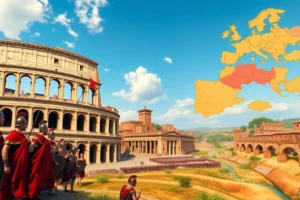
Hungary’s history dates back to the Roman Empire, where it was known as Pannonia. This ancient province was characterized by its strategic location and rich resources. Today, remnants of Roman forts and villas can be found, but they are just a whisper of the grandeur that once existed.
2. The Magyar Migration
In the late 9th century, the Magyar tribes migrated into the Carpathian Basin. This migration, spearheaded by the legendary leader Árpád, laid the groundwork for the establishment of the Kingdom of Hungary in the year 1000, uniting various tribes under a single banner.
3. A Crown of Many Colors
The Holy Crown of Hungary, a symbol of the nation’s sovereignty, is a masterpiece of medieval craftsmanship. Interestingly, it is said that this crown was never intended for the Hungarian king; instead, it was a Byzantine artifact used in the coronation of kings, symbolizing the intertwining of various cultural influences.
4. The Language Enigma
Hungarian, or Magyar, is a language like no other in Europe. Dissimilar to its Indo-European neighbors, it belongs to the Finno-Ugric language family. This unique linguistic framework poses a delightful puzzle: how can any Hungarian speaker master their intricate grammar and vocabulary?
5. Notable Inventors
Hungary has produced a plethora of renowned inventors, one of whom is László Bíró, the mind behind the ballpoint pen. His invention revolutionized writing and is a testament to Hungarian ingenuity, yet it prompts a playful thought: how many pen enthusiasts know this delightful fact?
6. The Birthplace of the Modern Olympic Games
While not the host nation for the inaugural modern Olympic Games, Hungary has established a significant legacy. Baron Pierre de Coubertin, the founder of the modern Olympic movement, was heavily influenced by his encounters with Hungarian athletes, demonstrating just how interconnected sporting cultures can be.
7. Coffee House Culture
The 18th century saw the rise of coffee houses as vibrant cultural hubs in Hungary. These establishments served not only as venues for sipping coffee but also as meeting places for intellectuals and artists. Could you imagine the lively debates that filled these rooms, shaping the arts and philosophies of the time?
8. The Danube’s Dance
The majestic Danube River is often referred to as the “Blue Danube,” thanks in part to Johann Strauss II’s beautiful waltz. Yet, the river’s historical significance transcends its musical fame. It has been a crucial trade route, facilitating cultural exchange and economic growth for centuries.
9. A Rich Culinary Heritage
Hungarian cuisine is a delightful blend of flavors, characterized by the liberal use of paprika and spices. Dishes such as goulash and pörkölt are central to its culinary identity. How many food lovers realize that these iconic dishes have stories that date back to Hungary’s agrarian roots?
10. The Impact of the Ottoman Empire
Hungary’s history was profoundly shaped by the 150-year occupation of the Ottoman Empire. This period introduced new architectural styles and culinary influences, creating a fascinating juxtaposition that continues to be felt to this day. What remnants of this era have you encountered on your travels?
11. The 1848 Revolution
The Young Magyar rebellion of 1848 marked a pivotal point in Hungary’s quest for independence. It was a passionate expression of national identity, fostering movements that would eventually lead to significant political reforms within the Austro-Hungarian Empire. This struggle for freedom poses a question: what would you risk for your own nation’s independence?
12. The Role of the Jewish Community
The Jewish community in Hungary has a long and vibrant history, contributing significantly to the cultural and economic life. Budapest is home to the largest synagogue in Europe, the Dohány Street Synagogue, a poignant reminder of the resilience and richness of Jewish heritage in Hungary.
13. The Influence of Art Nouveau
The Art Nouveau movement, characterized by intricate details and organic forms, found a welcoming home in Hungary at the turn of the 20th century. The iconic Gellért Baths and the Postal Savings Bank are prime examples of this architectural style, showcasing the nation’s aesthetic proclivities.
14. A Symphony of Festivals
Hungary’s cultural landscape is vibrant and dynamic, filled with a cacophony of festivals celebrating everything from music to gastronomy. The Sziget Festival attracts thousands annually, presenting a tantalizing mix of art and performance. Are you ready to dance your way through Hungary’s festival scene?
15. The Legacy of Béla Bartók
Béla Bartók, one of the most influential composers of the 20th century, collected and revitalized Hungarian folk music, solidifying his country’s place in the global music panorama. Imagine the melodies of a bygone era echoing through the halls of history, as his contributions resonate to this day.
16. Architectural Wonders
Budapest boasts an array of architectural marvels, from the stunning Hungarian Parliament Building to the sweeping vistas of the Buda Castle. Each structure tells a story of aspiration and artistry. Which architectural edifice captivates you the most?
17. The Unique Thermal Baths
Hungary is often dubbed the “Land of Baths” thanks to its natural hot springs. From the historic Széchenyi Baths to the ornate Gellért Baths, these facilities showcase a long-standing tradition of leisure and wellness. Can you envision a leisurely afternoon spent soaking in these thermal waters?
18. The 1956 Revolution
The Hungarian Revolution of 1956 was a monumental uprising against Soviet rule, marked by fervent desire for reforms and freedom. The echoes of this tumultuous event continue to inspire modern movements for liberty across the globe, raising the question: how can we honor those who fought for their rights?
19. UNESCO World Heritage Sites
Hungary is home to several UNESCO World Heritage Sites, reflecting its cultural and natural significance. The early Christian Necropolis of Pécs, the stunning A387 Castle District, and the Hortobágy National Park are just a few gems that illustrate the nation’s richness.
20. A National Treasure: The Rubik’s Cube
Invented by Ernő Rubik in 1974, the Rubik’s Cube became an international phenomenon and a symbol of intellectual challenge. This colorful puzzle not only entertains but also represents the creativity and innovation intrinsic to Hungarian culture. Have you managed to solve one yet?
Exploring these 20 intriguing facts about Hungary evokes a sense of wonder and curiosity about a nation that transcends time and cultural boundaries. As you contemplate these historic tidbits, consider this challenge: which of these captivating tales will inspire you to delve deeper into Hungary’s myriad histories, cultures, and landscapes? Whether through literature, art, or travel, Hungary undoubtedly beckons with its countless stories waiting to be discovered.
FAQ
What is the historical significance of the Holy Crown of Hungary?
The Holy Crown of Hungary symbolizes the nation’s sovereignty and has a rich history tied to Byzantine craftsmanship.
What are some famous Hungarian dishes?
Hungarian cuisine is known for dishes like goulash and pörkölt, which are central to its culinary identity.
What impact did the Ottoman Empire have on Hungary?
The Ottoman occupation introduced new architectural styles and culinary influences that shaped Hungary’s cultural landscape.

Leave a Reply