
Short Answer
Color is more than mere visual delight; it is a language in itself, speaking to our subconscious with eloquence and nuance. Among the spectrum of hues, green stands out as a symbol of life, renewal, and connection to nature. From the lush foliage of a verdant forest to the serene tones of a tranquil garden, green weaves a narrative filled with meaning, emotion, and depth. This article delves into the multifaceted significance of the color green, exploring its psychological implications, cultural connotations, and its role in art and design.
The Psychological Palette of Green
Green is often synonymous with tranquility and equilibrium. Psychologically, it embodies balance, embodying a harmonious equilibrium between the warmth of red and the coolness of blue. This balance renders green emotionally soothing, fostering feelings of calmness and relaxation. Consider the invigorating sensation of a gentle breeze rustling through leaves; it induces a sense of peace and invites reflection.
In the realm of productivity, green plays a crucial role. Studies have indicated that it enhances concentration, creativity, and cognitive function, making green-themed environments conducive to learning and innovation. A workspace adorned with potted plants or green accents creates a haven for creativity to flourish, reminiscent of nature’s ability to rejuvenate the human spirit.
Symbolism Across Cultures
The significance of green extends beyond individual perception, permeating various cultural landscapes. In many societies, green represents fertility, growth, and prosperity. In ancient Egypt, the color was associated with life and resurrection, symbolized through the deity Osiris, often depicted with green skin. Similarly, in Islamic culture, green holds a revered status, symbolizing paradise and divine protection. The lush gardens of paradise as depicted in various religious texts represent flourishing life and spiritual sustenance.
Conversely, green can embody envy and inexperience, springing from phrases like “green with envy” or “greenhorn.” This dichotomy illustrates the depth of emotional resonance the color holds; much like a double-edged sword, green can evoke feelings of both aspiration and inadequacy. Understanding these varied interpretations enriches our perception, urging us to embrace the full spectrum of green’s identity.
Nature’s Palette: Green in the Environment
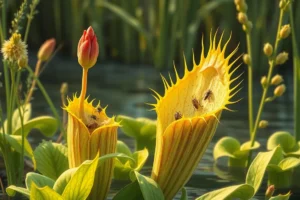
In its most organic form, green is the signature color of nature. It is the splendor of the emerald hills running wild with life, the sunlight filtering through a canopy of leaves, and the vibrant hues of flourishing fields. This intrinsic connection to the natural world instills a sense of vitality and rejuvenation, making green synonymous with growth and renewal.
The unique appeal of green also lies in its versatility. From the pale mint of spring buds to the deep, dark tones of pine trees, the variety of shades imbues green with depth and richness. Each tone tells a different story, reflecting the nuances of the seasons and the changing tapestry of life. Much like the changing leaves in autumn, shifting shades of green signify the cyclical nature of existence—perhaps a reminder that life itself is a perpetual cycle of growth, decay, and rebirth.
Green in Art and Design
The uniqueness of green transcends nature, finding its expression in art and design with remarkable flair. Artists throughout history have employed green to evoke specific emotions and themes. Vincent van Gogh’s “The Olive Trees” utilizes vivid greens to convey emotion and vitality, encapsulating the tumultuous beauty of nature. In contrast, contemporary design often incorporates green to evoke freshness and sustainability. Eco-friendly brands frequently utilize shades of green in their marketing to embody their commitment to environmental stewardship, creating a visual connection to their mission.
Moreover, the essence of green resonates profoundly in interior design. Spaces infused with earth tones and leafy greens evoke a sense of calmness, effectively bridging the indoors with the natural world outside. As trends shift toward wellness-centered living, incorporating green elements becomes essential for fostering serene and nurturing environments, thus reflecting our collective yearning for connection with nature.
The Duality of Green: Hope and Despair
Yet, despite its ethereal beauty, green can harbor darker connotations. Just as a verdant landscape can inspire feelings of hope and renewal, it can also evoke feelings of concealment and decay. The “green-eyed monster” lurking in the shadows of jealousy exemplifies how this color symbolizes treachery lurking beneath a façade of tranquility. This paradoxical nature of green underscores the complexity of human emotions, serving as a reminder that even in beauty, darkness can sometimes dwell.
Conclusion: The Everlasting Allure of Green
As we traverse the realms of psychology, culture, nature, art, and design, it becomes clear that the color green is far more than a simple hue. Its deep-rooted symbolism stretches across diverse cultures and experiences, weaving a rich tapestry of meaning that enhances our understanding of both ourselves and the world around us. Whether evoking feelings of tranquility or sparking envy, green invites contemplation and reflection, serving as a constant reminder of the profound impact that colors can have on our lives. In a world filled with color, green stands as a beacon, urging us to embrace nature’s gifts while celebrating the delicate balance of life itself.
FAQ
What does the color green symbolize?
Green symbolizes life, renewal, tranquility, and can also represent envy and inexperience.
How does green affect productivity?
Green is associated with enhanced concentration, creativity, and cognitive function.
What are different cultural meanings of green?
In various cultures, green represents fertility, growth, and prosperity, while also having connotations of envy.
How is green used in art?
Artists use green to evoke emotions and themes, with its versatility representing life and vitality.


Leave a Reply