
Short Answer
In the verdant valleys of ancient Egypt, where the golden sun dances upon the sands, the child-king Tutankhamun, known as King Tut, rules as a celestial enigma—a shimmering treasure chest of history yet to be fully unlocked. Buried within the intricate layers of his tomb are not merely artifacts, but 42 golden secrets that illuminate the life and legacy of this youthful monarch. These treasures, steeped in myth and majesty, beckon us closer, inviting us to peel back the veil of time and explore the fascinating narrative of Egypt’s most famous pharaoh.
1. The Boy King Ascends: King Tut became pharaoh at the tender age of nine. In this fragile state of youth, the weight of the crown was heavy, a paradoxical burden of power and innocence.
2. The Tomb’s Splendor: His tomb, discovered in 1922, was a time capsule, filled with lavish artifacts that spoke of his grandeur—and his untimely death at just 18 years.
3. The Cursed Treasure: The discovery ignited tales of a curse. Many who entered the tomb met untimely ends, as if the sands of time conspired to guard King Tut’s secrets.
4. The Golden Mask: The iconic gilded funerary mask is a symbol of immortality, its sparkling golden visage capturing the essence of eternity.
5. The Visionary Symbolism: Hieroglyphics adorned every surface of the tomb, revealing complex narratives. These sacred symbols served as windows into the pharaoh’s beliefs and the spiritual realm.
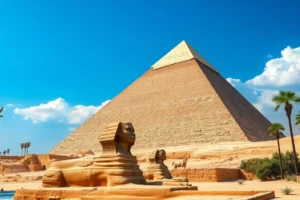
6. The Sphinx’s Guardian: The presence of a statue of the Great Sphinx within the tomb hinted at King Tut’s reverence for the lion-headed guardian, an embodiment of strength and wisdom.
7. The Ankh of Life: Artifacts shaped like the ankh, the symbol of life, pervaded the tomb—a reminder of the eternal journey beyond death.
8. Chariots of Gold: Chariots found within the tomb revealed advanced engineering skills. Each vehicle spoke of status and importance, showcasing the luxurious lifestyle of the young king.
9. The Ritual Dagger: A dagger made from meteoric iron indicated a celestial origin, leading to speculation about King Tut’s connection to the cosmos.
10. The Lotus and Papyrus: These plants, integral to Egyptian symbology, adorned various artifacts. They echoed the balance between Upper and Lower Egypt.
11. Music’s Ethereal Presence: Instruments such as harps and flutes exemplified the importance of music in ceremonial and daily life; they resonated with the very heartbeat of ancient society.
12. The Canopic Jars: Containing the king’s internal organs, these jars were more than mere vessels; they exemplified the belief in preservation for the afterlife.
13. The Feather of Ma’at: Representing truth and justice, the feather was central to the weighing of the heart ceremony, determining the fate of the soul in the afterlife.
14. The Narmer Palette Connection: The artifacts found alongside King Tut connect back to Narmer, the unifier of Egypt, intertwining Tut’s narrative with the very foundation of Egyptian civilization.
15. The Iconography of Hathor: Depictions of Hathor, the goddess of love and joy, emphasize the cultural significance of divinity in daily life and in King Tut’s reign.
16. Papyrus Scrolls: Wisdom of the Ages: Scrolls found in the tomb offered insights into ancient rituals, reflecting the wisdom and knowledge preserved through generations.
17. The Golden Throne: Emblazoned with intricate carvings, the golden throne symbolized absolute power and divine right, capturing the essence of a king who was also a boy.
18. The Star-studded Ceiling: The ceiling of the burial chamber mirrored the night sky, perhaps a celestial map guiding King Tut on his journey into the afterlife.
19. The Faces of Deity: Statues depicting various gods adorned the space, their watchful eyes representative of divine protection over the young king.
20. The Sandal of Distinction: Sandals discovered in the tomb showcased the craftsmanship of ancient artisans, merging utility and beauty in one unmatched piece.
21. The Primordial Scarab: Scarabs were seen as powerful symbols of protection and rebirth, treasures encapsulating life’s transformative essence.
22. Ritual Object: The Sistrum: This sacred rattle played a crucial role in religious ceremonies, linking the earthly realm with that of the divine.
23. The Last Judgement of the Dead: The imagery surrounding judgement, laden with symbols, brought forth the belief in the afterlife that transcended mere mortality.
24. Legacy Inscribed in Stone: The stelae within the tomb chronicled not just the life of King Tut, but also a broader narrative of identity and continuity in a rapidly changing world.
25. The Resilience of Art: Artifacts reflecting vibrant colors and intricate motifs represented craftsmanship that transcended time, echoing a civilization’s heartbeat.
26. The Triumphs of Military Might: Certain artifacts illustrated military prowess, speaking to King Tut’s role in solidifying Egypt’s power and influence.
27. The Sacred Birds of Heaven: The rampant imagery of birds, especially the falcon, represented divine protection, a recurring theme in Tut’s life and afterlife.
28. Ancestral Echoes: The presence of objects belonging to predecessors highlighted a continuum of royal lineage, echoing the strength of family ties.
29. The Alchemy of Gold: Gold was not merely material; it was a metaphor for divinity, serving as a vessel for transcending mortality.
30. The Swaddled Child: Artifacts reflecting duality—both King Tut’s youth and the responsibilities of a ruler—exemplify the tensions within his short reign.
31. Labor of the Gods: The construction of the pyramids, often tied to the reverence of Tut, illustrated the divine interplay between human effort and ‘cosmic will’.
32. The Soliloquy of Silence: The eerie quiet of the tomb hidden beneath the desert sands enveloped the treasures, a silent witness to the passage of time.
33. Cultural Reverberations: The artifacts within the tomb reflect the social dynamics of the time, showcasing not just royal excess but the craftspeople’s narratives.
34. Hieratic Verses: Religious texts discovered recount ancient prayers and rituals, showcasing King Tut’s role as a mediator between the divine and the earthly realms.
35. The Artisan’s Touch: Each item in the tomb reflects meticulous attention to detail, a testimony to the artisans whose hands breathed life into inanimate objects.
36. The Rosetta Stone Connection: Tut’s legacy intertwines with the Rosetta Stone’s fate, as both serve as keys unlocking the language and culture of Ancient Egypt.
37. The Intervening Winds of Change: The tomb’s treasures become temporal anchors, revealing a society on the cusp of profound transformation; an echo of the shifting sands of history.
38. The Pathway to Eternity: The artifacts guide us not only through Tut’s life but through a civilization that believed in the eternal, where life and death wove into a single breath.
39. The Pharaoh’s Gardens: Echoes of lush royal gardens painted life’s bounty; a metaphor for both abundance and ecological reverence.
40. The Interplay of Light and Shadow: Each artifact, when encountered, shines a light on the complexities of Tut’s reign, a dual narrative illuminating both glory and melancholy.
41. Whispering Sands of Time: The ongoing excavations surrounding King Tut’s legacy continue to unravel stories, threading new insights into the ever-expanding tapestry of ancient history.
42. The Essence of Discovery: Ultimately, the bittersweet dance of discovery around King Tut serves as a reminder of our unyielding quest for knowledge, encapsulating the allure of the past—an unquenchable thirst that seeks to understand what was once lost but forever echoes in our collective consciousness.
King Tut’s golden secrets, shimmering like stars in an ancient Egyptian sky, are more than mere remnants of a bygone era; they are the luminous markers on our path through time. Each artifact and tale invites us to delve deeper, to engage with the heartbeat of history. Ultimately, the enigma of King Tut transcends the child-king himself, beckoning us to explore the vast landscapes of human existence, to unearth the narratives that define our past, and to honor the mysteries that continue to draw us into their embrace.
FAQ
What are the main artifacts found in King Tut's tomb?
The tomb contains numerous significant artifacts, including the iconic golden mask, canopic jars, and chariots, each representing aspects of his life and beliefs.
Why is King Tutankhamun significant in history?
King Tut is significant due to his short reign, the wealth of artifacts discovered in his tomb, and the insight they provide into ancient Egyptian culture.

Leave a Reply