
Short Answer
Reptiles have long captured the imagination of both the layperson and the scientist alike, emerging from shadowy crevices of our world’s diverse ecosystems. Their cold-blooded nature often elicits a myriad of inquiries and observations, ranging from their unique physiological traits to their intriguing behaviors. This article delves into the enchanting realm of reptiles, unveiling the enigmatic secrets of these remarkable ectothermic beings in an effort to illuminate why they fascinate us so.
The Essence of Cold-Bloodedness
At the heart of reptilian biology lies the trait of being cold-blooded, or ectothermic. Unlike their warm-blooded counterparts, reptiles depend on external environmental conditions to regulate their body temperature. This adaptation, while seemingly limiting, actually imparts a myriad of benefits. By requiring less food and energy to sustain their metabolic activities, reptiles exhibit extraordinary resilience in resource-scarce habitats.
The implications of being cold-blooded extend beyond mere thermoregulation. Reptiles can enter states of brumation—a hibernation-like condition—during periods of extreme cold, allowing them to conserve energy. The enigmatic dance of their physiology reveals their profound adaptation to success across diverse terrains, whether basking on sun-drenched rocks or lurking in the dampness of a rainforest floor.
Adaptations for Survival
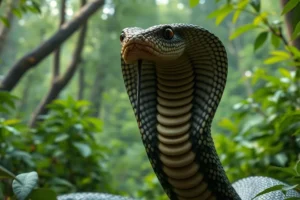
Throughout evolutionary timelines, reptiles have unveiled a suite of remarkable adaptations that enhance their survivability. The scale-covered bodies of snakes, lizards, and tortoises serve multiple purposes. These scales not only protect against dehydration and physical harm but also aid in locomotion across various substrates. The intricate variation in scale texture—from the smooth glide of a snake to the rugged armor of a tortoise—demonstrates the diverse evolutionary paths these creatures have taken.
Camouflage is another ingenious adaptation observed among reptiles, melding seamlessly with their surroundings to evade predators or ambush prey. Chameleons, renowned for their vibrant color-changing ability, exemplify this phenomenon. Their skin contains specialized cells known as chromatophores that expand and contract, allowing them to adapt their coloration depending on their environment, mood, or social interactions.
The Reptilian Reproductive Strategy
The reproductive strategies of reptiles further deepen the intrigue surrounding these creatures. Many reptilian species employ a fascinating plethora of reproductive tactics, from oviparity—laying eggs—to viviparity, wherein young are born live. The evolutionary advantage of this diversity allows reptiles to inhabit a wide array of ecological niches. For instance, sea turtles lay hundreds of eggs on sandy beaches, a strategy that maximizes survival with sheer quantity, while the live-bearing boa constrictor nurtures its young within its body, ensuring protection during gestation.
Sexual dimorphism, where males and females exhibit distinct physical differences, is prevalent in various species. The vibrant coloration of male anoles serves as an alluring invitation to females, while also warding off rival suitors. Such features highlight the complex interplay of mating rituals and natural selection, adding layers of complexity to the reptile’s life cycle.
Cognitive Capabilities and Social Structures
Often underestimated, reptilian intelligence reveals itself through social interactions and problem-solving abilities. Some species of lizards engage in social hierarchies, utilizing displays of strength and color to assert dominance among individuals. This complex social structure showcases a level of cognition that contradicts the stereotype of reptiles as mindless creatures.
The Conservation Dilemma
As we venture deeper into the captivating world of reptiles, we must also confront the sobering reality of their conservation. Many reptilian species face grave threats due to habitat destruction, climate change, and poaching. The extinction of these ancient creatures would not only disrupt ecosystems but would also erase a significant component of our planet’s biodiversity.
Conservation efforts, such as habitat restoration and protected areas, are essential in preserving reptile populations. Public awareness campaigns also play a crucial role in educating communities about the ecological importance of reptiles, fostering a sense of stewardship for these resilient beings.
The Fascination with Reptiles
The allure of reptiles goes beyond their biological marvels. Their often-misunderstood nature has spurred folklore and myth across cultures, symbolizing everything from wisdom to danger. The juxtaposition between fear and admiration creates an undeniable intrigue, prompting a deeper exploration of their lives and behaviors.
Reptiles inhabit a world that bears witness to the Earth’s long and tumultuous history. They are living relics of an epoch when dinosaurs roamed and are now the last remnants of these ancient lineages. This connection to the distant past, coupled with their extraordinary adaptations to survive in an ever-changing world, creates a tapestry of wonder that continues to captivate humanity.
In conclusion, reptiles are much more than cold-blooded creatures confined to our perceptions of fear and alienness. They embody resilience, adaptation, and an intricate dance with their environments. By understanding the depth of their biology, behaviors, and conservation needs, we can cultivate a profound appreciation for these remarkable beings that continue to thrive in the shadows of our imagination.
FAQ
What does it mean to be cold-blooded?
Cold-blooded animals, like reptiles, rely on external environmental temperatures to regulate their body heat.
How do reptiles adapt to their environments?
Reptiles have various adaptations, including camouflage and specialized scales, that help them survive in diverse habitats.
What are the reproductive strategies of reptiles?
Reptiles exhibit strategies such as laying eggs or giving live birth, with variations depending on the species.


Leave a Reply