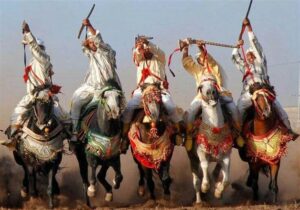
Carnivals are fascinating spectacles, brimming with vibrant colors, exhilarating rides, and the tantalizing aroma of fried treats. Each year, millions flock to these festive gatherings, eager to immerse themselves in the joy and excitement that only a carnival can provide. But beneath the surface glitter lies a treasure trove of remarkable trivia and traditions that many may not know. Are you ready to discover some astonishing carnival facts that could leave you in awe? Here’s an enticing journey through nine surprising revelations about carnivals that might just challenge your perspective!
1. The Origins of Carnival
Carnivals have a rich and storied history that traces back to ancient festivals. The tradition of carnival is believed to have roots in ancient pagan celebrations, particularly those that marked the arrival of spring. Names such as “Carne Vale” in Latin, which translates to “farewell to meat,” highlight the connection between this festivity and the preceding Lent in Christianity. This time of revelry served as an opportunity for indulgence before a season of fasting, setting a colorful precedent that has evolved into modern celebrations.
2. The Curious Case of King Carnival
One of the most interesting aspects of carnival celebrations is the figure of King Carnival. This enigmatic character, often portrayed in flamboyant costumes, symbolizes the spirit of festivity and the ephemeral nature of life. In many cultures, the King Carnival is a figure of authority during the festivities, presiding over the celebrations with eccentric charisma. However, the peculiar twist lies in the fact that, following the carnival’s conclusion, King Carnival is often symbolically “killed” or buried, signifying the end of the revelry and the onset of the austere season of Lent.
3. The World’s Largest Carnival: Rio de Janeiro
Imagine the spectacle of over two million revelers lining the streets, dancing to pulsating rhythms and wearing elaborate costumes. The Rio de Janeiro Carnival, held annually in Brazil, holds the title of the largest carnival in the world. This grand celebration is a mesmerizing blend of African, Portuguese, and indigenous influences, showcasing the diverse cultural heritage of Brazil. The samba schools, with their intricate parades and competitive spirit, epitomize the essence of Rio’s Carnival, making it a mesmerizing feast for the eyes and ears.
4. The Intrigue of Mardi Gras
Mardi Gras, or Fat Tuesday, is perhaps the most famous carnival celebration in the U.S., particularly in New Orleans, Louisiana. This vibrant event is steeped in history, with its origins tracing back to French Catholic settlers. What’s fascinating is the myriad of traditions associated with Mardi Gras, such as the iconic king cake, adorned with colorful sugar and a hidden plastic baby. The person who discovers the baby is tasked with hosting the next king cake party, perpetuating the cycle of merriment. Can you imagine the excitement that accompanies this playful tradition?
5. Color Symbolism and the Carnival Palette
Have you ever wondered why certain colors dominate the carnival scene? The symbolism of colors is essential in these festivities. For instance, in Rio’s Carnival, the vibrant hues of green, yellow, and purple represent hope, wealth, and justice, respectively. This color scheme, along with exciting decorations and costumes, adds another dimension to the visual experience, inviting revelers to engage with the deeper meanings behind the exuberance. Carnival isn’t just about sensory overload; it’s a canvas painted with cultural significance and communal identity.
6. The Traditional Costumes: A Feast for the Senses
Carnival costumes are an intriguing topic of study beyond their dazzling appearance. In many cultures, these outfits carry historical significance and often come with elaborate craftsmanship. In Venice, for example, traditional masques serve to conceal one’s identity, allowing for a unique celebration of liberation and social equality. As revelers don these exquisite garments, they participate in a centuries-old dance of anonymity and allure. What would you wear if you could choose any costume from history?
7. The Impact of Carnival on the Economy
Carnivals are not just a riot of colors and sounds; they also serve as significant economic drivers. In cities like Rio and New Orleans, the influx of tourists for carnival festivities generates millions in revenue. From hotels to restaurants, local artisans to vendors, the economic impact creates a ripple effect that benefits various sectors. The challenge lies in balancing this economic boon with the preservation of cultural integrity and local traditions. How can cities sustain carnival vibrancy while respecting their cultural heritage?
8. The Global Reach of Carnivals
While Rio de Janeiro and New Orleans may be the most celebrated, the carnival spirit resonates across the globe. Countries like Trinidad and Tobago, Italy, and Spain each possess their own unique traditions and interpretations of carnival. The Festival of Venice, with its enticing masquerades, and Trinidad Carnival, famous for its infectious calypso music, highlight the global diversity of these celebrations. This pervasive phenomenon underscores a universal human desire to celebrate life, culture, and community. What unique carnival experience would you embark on if given the chance?
9. The Enduring Legacy of Carnival
Carnivals embody the quintessence of communal spirit, resilience, and creativity. The traditions that have been preserved and adapted over centuries continue to captivate generations. As cultures evolve, carnivals remain a testament to the importance of celebration, transcending barriers and promoting inclusivity. This rich legacy invites future generations to participate, innovate, and connect. What contribution would you make to ensure that the fervor and joy of carnival endure for years to come?
In conclusion, carnivals are more than mere celebrations; they are a tapestry woven with the threads of history, culture, and community. The astonishing facts surrounding this global phenomenon challenge us to appreciate the depth and significance of what might initially seem like a colorful, chaotic gathering. As you ponder these revelations, consider your own experiences with carnival festivities. How can you celebrate the spirit of carnival in your life? The invitation to revel in joy and connection awaits!