New Caledonia, an archipelago situated in the South Pacific, brims with vibrant culture, stunning landscapes, and a rich tapestry of history. This semi-autonomous French territory offers a plethora of intriguing facts that evoke curiosity and inspire exploration. In this listicle, we delve into eight captivating aspects of New Caledonia, revealing the multifaceted nature of this remarkable destination.
1. A Melange of Cultures
New Caledonia is a cultural kaleidoscope, showcasing an intriguing blend of indigenous Kanak traditions and French colonial influences. The Kanak people, the rightful stewards of the land prior to colonization, possess a rich oral history and profound spiritual connections to their environment. Their customs manifest in traditional ceremonies, music, and handicrafts, revealing a proud heritage. Conversely, the French presence has introduced cuisine, language, and a lifestyle that melds seamlessly with local customs, creating a unique socio-cultural fabric that is enchanting to unravel.
2. A Biodiverse Paradise
The biodiversity of New Caledonia is nothing short of extraordinary, with a plethora of species that are endemic to the region. The archipelago plays host to over 3,000 plant species, nearly 1,000 of which can be found nowhere else on earth. Among these botanical wonders, the stunning Araucaria tree stands out, often referred to as the ‘monkey puzzle tree’ for its unique shape. Wildlife enthusiasts can relish observing the fascinating range of fauna, including the flitting Kagu, a flightless bird considered a national symbol. New Caledonia offers a veritable Eden for ecologists and nature lovers alike.
3. A UNESCO World Heritage Site
In recognition of its unparalleled natural beauty and ecological significance, New Caledonia’s lagoon was awarded UNESCO World Heritage status in 2008. This expansive lagoon is one of the largest in the world, encircling the island and teeming with vibrant coral reefs and marine life. The turquoise waters support a rich tapestry of ecosystems, making it an imperative habitat for marine biodiversity. Adventurers can engage in exhilarating activities such as snorkeling and scuba diving, providing firsthand experiences of this underwater utopia.
4. The Land of Nickel
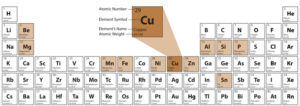
New Caledonia serves as a significant global hub for nickel mining, possessing some of the richest nickel reserves in the world. This metal is pivotal for manufacturing stainless steel, and the local extraction of nickel has profound implications on the economy. While mining has catalyzed economic development, it has also sparked debates regarding environmental impacts and the rights of the indigenous Kanak community. This dichotomy illustrates the ongoing struggle between modernization and the preservation of unique cultural identities.
5. An Enigmatic Language Landscape
New Caledonia is home to a linguistically rich environment, with over 30 distinct languages spoken across the islands. While French serves as the predominant language, many inhabitants communicate in their native Kanak languages, which are deeply intertwined with the local identity. This linguistic diversity fosters a colorful tapestry of expressions, proverbs, and storytelling, mirroring the varied landscapes of New Caledonia. Language enthusiasts will find the exploration of these dialects enthralling, each offering a unique window into the island culture.
6. A Unique Flora and Fauna
The archipelago’s unique geography has given rise to an astonishing array of flora and fauna, much of which is found nowhere else on the planet. The rainforests are home to ancient, endemic trees that have evolved in isolation, contributing to the island’s botanical treasures. In addition, the fauna features endemic species such as the New Caledonian tree frog and the flightless Kagu bird, both emblematic of the island’s ecological uniqueness. Conservation efforts have become vital in preserving these rare species and their habitats, illustrating the importance of sustainable practices.
7. Rich Traditional Crafts
The artisans of New Caledonia preserve a host of traditional crafts, which reflect the island’s heritage and creativity. From weaving intricate baskets to crafting traditional wooden canoes, every piece holds a story and a connection to generations past. The use of native materials, such as pandanus leaves and coconut fibers, articulates an abiding relationship with the land. Exploring local markets allows visitors to witness these artisans in action, fostering appreciation for handcrafted artistry while supporting the cultural economy.
8. A Gastronomic Delight
The culinary scene in New Caledonia is an exciting blend of flavors, with influences from French cuisine, Asian cooking, and traditional Kanak dishes. Fresh seafood, tropical fruits, and locally sourced ingredients create a diverse gastronomic landscape that captivates the palate. Diners can savor dishes like bougna, a traditional Kanak meal of fish and vegetables wrapped in banana leaves, or indulge in French pastries at a local café. The multicultural nuances of the food reflect the island’s history and are a testament to the vibrant lifestyle enjoyed by its inhabitants.
In conclusion, New Caledonia is a veritable treasure trove of cultural richness, natural wonders, and profound history. Each facet of this archipelago invites exploration and reflection, from its diverse ecosystems to its intriguing languages and delectable cuisine. Whether you are drawn by the allure of its untouched landscapes or the warmth of its people, New Caledonia offers an enchanting escape that resonates deeply with the heart and spirit of any traveler.