
Short Answer
When delving into the intricacies of human biology, the nervous system often emerges as one of the most breathtaking and complex systems known to science. This astonishing network of nerve cells and fibers governs not just our movements and reflexes but shapes our very thoughts and emotions. Here, we explore five particularly electric and captivating facts about the nervous system that illuminate its remarkable capabilities.
1. The Brain: An Electrical Powerhouse
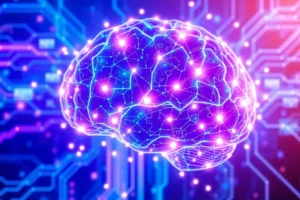
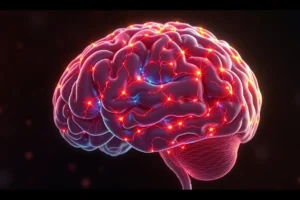
The human brain, often exclusive in its functions, operates on a staggering array of electrical impulses. Neurotransmitters, the brain’s messenger molecules, facilitate communication between neurons through synapses. Each neuron can form thousands of connections, creating a vast web of electrical pathways that transmit information at lightning speed. In fact, some neurons can conduct impulses at speeds of up to 120 meters per second! This electrical activity is what allows us to respond to stimuli instantly and process complex information rapidly. The brain generates approximately 20 watts of power while awake—enough to light a small bulb!
2. The Spinal Cord: A Highway of Nerve Signals
Running down the vertebral column, the spinal cord serves as the principal conduit for signals between the brain and the rest of the body. Comprised of millions of nerve fibers, it not only facilitates voluntary movements, such as writing or running, but also controls involuntary reflexes like pulling your hand away from a hot surface. The spinal cord is divided into segments, each corresponding to different regions of the body— cervical, thoracic, lumbar, sacral, and coccygeal. Intriguingly, spinal cord injuries can lead to varying degrees of paralysis, depending on the location and severity of damage, which further underscores its pivotal role in transmitting electrical signals essential for movement and coordination.
3. Neuroplasticity: The Brain’s Adaptive Nature
One of the most remarkable attributes of the nervous system is its neuroplasticity—the ability to reorganize itself by forming new neural connections throughout life. This adaptability is crucial for learning new skills, recovering from brain injuries, and coping with trauma. Neuroplasticity allows the brain to compensate for lost functions or maximize remaining abilities by rerouting electrical pathways. For instance, a stroke may impair certain functions, but rehabilitation can stimulate the brain to forge new connections, enabling partial or sometimes full recovery. This dynamic property is a testament to the resilience and versatility of the nervous system, emphasizing that change is not only possible but an inherent part of our neurological experience.
4. The Peripheral Nervous System: A Complex Relay
The peripheral nervous system (PNS) plays a crucial role in facilitating communication between the central nervous system and the rest of the body. It comprises two primary components: the somatic and autonomic nervous systems. The somatic system oversees voluntary movements by transmitting signals from the central nervous system to skeletal muscles, while the autonomic system regulates involuntary functions, including heart rate, digestion, and respiratory rate. The autonomic system is further subdivided into the sympathetic (responsible for the “fight or flight” response) and parasympathetic (responsible for “rest and digest”) systems. This intricate duality ensures that our body functions smoothly, adapting to internal and external stimuli. The marvel of the PNS lies in its ability to convey sensory information, control motor functions, and maintain homeostasis, making it indispensable for our everyday existence.
5. Glial Cells: The Unsung Heroes
While neurons often receive the majority of recognition in discussions about the nervous system, glial cells—often referred to as ‘neuroglia’—play a crucial yet underappreciated role in maintaining neurological health. These support cells outnumber neurons, providing structural and metabolic support, insulation, and protection. They form myelin sheaths that encase axons, facilitating faster electrical signal transmission. Moreover, glial cells are instrumental in maintaining the blood-brain barrier, regulating the chemical environment of the brain, and participating in immune responses within the central nervous system. Their multifaceted functions are crucial not only for neurological integrity but also for optimal cognitive functioning, as they help maintain the delicate balance required for neurons to communicate effectively.
In conclusion, the nervous system embodies an electrifying realm of discovery, exhibiting extraordinary capabilities that govern every facet of human existence. From the rapid transmission of impulses in the brain to the adaptive nature of neuroplasticity, the intricate interplay of neurons and glial cells invites endless exploration. Understanding the profound complexities of the nervous system not only sheds light on the intricacies of human behavior and movement but also underscores the remarkable resilience and potential for change inherent within us. Each of these facts serves as a reminder of the extraordinary machinery operating beneath the surface of our conscious experience, silently ensuring that we engage with the world around us.
FAQ
What is the primary function of the nervous system?
The nervous system governs bodily functions, including movement, reflexes, and processing thoughts and emotions.
What are glial cells?
Glial cells are support cells in the nervous system that provide structural and metabolic support to neurons.
What is neuroplasticity?
Neuroplasticity is the ability of the brain to reorganize itself by forming new neural connections throughout life.




Leave a Reply