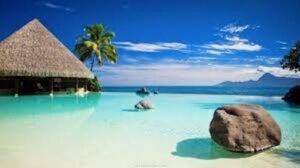
El Salvador, the smallest country in Central America, is a land rich in cultural heritage, natural beauty, and vibrant history. With its stunning landscapes, from volcanic mountains to picturesque beaches, and a populace bursting with creativity and resilience, El Salvador offers a plethora of intriguing facets waiting to be discovered. Below, we delve into 15 sunny facts about this remarkable nation, each illuminating a different aspect of its identity and charm.
1. Its Name Means “The Savior”
El Salvador derives its name from the Spanish phrase “El Salvador,” which translates to “The Savior.” This appellation was bestowed during the Spanish colonization in the early 16th century. It reflects the country’s historical and cultural connections to Christianity, specifically to Jesus Christ as a redeemer.
2. Home to the World’s Most Beautiful Beaches
The beaches of El Salvador are a surfer’s paradise, famed for their consistent waves and stunning coastal scenery. Notable spots such as El Zonte and Mizata draw in both amateur and professional surfers from around the globe. The golden sands, coupled with the mesmerizing Pacific sunsets, make them irresistible destinations.
3. The Land of Volcanoes
El Salvador is often referred to as the “Land of Volcanoes,” boasting over 20 volcanoes across its landscape. Formed by tectonic activity, these geological wonders offer opportunities for adventure-seekers, including hiking to the summit of Ilamatepeq, the highest volcano in the country, which stands at 2,381 meters.
4. A Rich Coffee Heritage
Coffee production is a cornerstone of El Salvador’s economy and culture. The country is renowned for its high-quality Arabica coffee beans, cultivated in volcanic soil, which imparts a unique flavor. The coffee-growing regions, such as Sonsonate and La Libertad, invite visitors to experience coffee tours and tastings, providing insight into the meticulous process of coffee cultivation and production.
5. The Country of Tiny Towns
Despite its small size, El Salvador is dotted with charming villages and towns that each possess unique traditions and histories. Suchitoto, known for its colonial architecture and vibrant arts scene, serves as a cultural hub, while Santa Ana is celebrated for its rich indigenous heritage and majestic cathedral.
6. A Vibrant Cultural Scene
The cultural landscape of El Salvador thrives through various artistic expressions, including poetry, music, and dance. The Xocomil festival, celebrated in the town of San Miguel, showcases traditional dances and music, creating a tapestry of colors and sounds that embody the spirit of Salvadoran joy.
7. The Pupusa: A Culinary Delight
No visit to El Salvador is complete without indulging in a pupusa, a traditional dish made of corn dough stuffed with various fillings like cheese, beans, or chicharrón. This delectable treat is often accompanied by curtido (a tangy cabbage slaw) and tomato salsa, making it a staple throughout the country.
8. The Largest Lake in Central America
Lago de Coatepeque is the largest lake in Central America, nestled within a volcanic caldera. Renowned for its stunning turquoise waters, the lake offers opportunities for swimming, kayaking, and enjoying the breathtaking views from surrounding hillsides.
9. A Unique Biodiversity
El Salvador is home to an astounding variety of flora and fauna, thanks to its diverse ecosystems ranging from coastal mangroves to mountain cloud forests. It boasts endemic species and significant biodiversity, making it vital for conservation. The El Imposible National Park is a prime example of this natural richness.
10. A Melting Pot of Cultures
El Salvador’s history reflects a confluence of indigenous, colonial, and Afro-Caribbean cultures. The resulting mosaic is evident in the country’s language, traditions, and art. This cultural intertwining has fostered a lively atmosphere, where festivals often celebrate this diversity.
11. UNESCO World Heritage Sites
El Salvador is home to the Archaeological Sites of Joya de Cerén, a UNESCO World Heritage Site often dubbed the “Pompeii of the Americas.” This site showcases ancient Mayan life, preserved under volcanic ash, providing a unique glimpse into pre-Hispanic civilization.
12. An Abundance of Nature Reserves
The country takes pride in its numerous nature reserves devoted to the preservation of its natural beauty and wildlife. Among them, the Los Volcanes National Park and the San Salvador Volcano provide hikers and eco-tourists ample opportunities to explore trails amidst lush landscapes and observe local wildlife.
13. The Spirit of Resilience
El Salvador has a tumultuous history, including a civil war that lasted from 1980 to 1992. However, the spirit of the Salvadoran people shines through their resilience and determination to rebuild and promote peace. Today, they work towards unity and prosperity, fostering a culture of hope and renewal.
14. English Is Not the Dominant Language
While Spanish is the official language, indigenous languages such as Nahuatl are still spoken by certain communities. This linguistic diversity enhances the cultural richness of El Salvador, highlighting the influence of indigenous peoples on its heritage.
15. Tropical Climate All Year Round
El Salvador enjoys a tropical climate, characterized by distinct wet and dry seasons. This climate fosters a lush environment ideal for agriculture and opens up opportunities for outdoor adventures year-round. From beach outings to mountainous explorations, each season offers unique experiences.
In conclusion, El Salvador is a treasure trove of history, culture, and nature. Its breathtaking landscapes, culinary delights, and warm-hearted people invite exploration and appreciation. Whether venturing through bustling towns, savoring a pupusa, or hiking up a volcano, the essence of El Salvador captivates the heart, offering an experience that resonates long after one leaves its shores. The country is a vivid canvas of life, awaiting to be discovered and cherished.