
Short Answer
Have you ever paused to ponder how a mere string of events shaped the grand tapestry of American history? The lives and decisions of U.S. Presidents, paired with pivotal moments, have forever altered the nation’s trajectory. In this listicle, we’ll unravel 15 game-changing facts about U.S. history and its presidents. Prepare for an enlightening journey that challenges your preconceived notions of this great nation. Can you keep up with the twists and turns of history’s labyrinth? Let’s dive in!
1. The Secret Life of George Washington
Did you know that George Washington, the first President of the United States, once led an army of 2,000 men to suppress the Whiskey Rebellion? This uprising in 1794 was sparked by a tax on whiskey, which many frontier farmers viewed as an unjust burden. Washington’s decisive action established a precedent for federal authority, proving that the fledgling government would not tolerate civil disobedience.
2. Thomas Jefferson’s Contradictions
Jefferson, principal author of the Declaration of Independence, famously championed liberty. Yet, he owned slaves. This paradox highlights the complexities of his character and beliefs. How do we reconcile his ideals of freedom with the realities of his actions? This duality reflects broader tensions in the American ethos that persist to this day.
3. The Birth of the Democratic Party
In the early 19th century, Andrew Jackson founded the Democratic Party, signaling a seismic shift towards populism in American politics. He championed the “common man” and dismantled elitist economic structures, laying the groundwork for future democratic movements. What might have happened had he not taken this radical step?
4. Lincoln’s Unexpected Transformation
Abraham Lincoln, initially hesitant about emancipation, evolved into a fierce advocate for abolition. The Emancipation Proclamation of 1863 marked a turning point, defining the Civil War as a struggle for freedom. Imagine if Lincoln had resisted this transformation—how different would America look today?
5. Theodore Roosevelt and the Modern Presidency
Theodore Roosevelt is often credited with creating the modern presidency. His robust foreign policy (i.e., “Speak softly and carry a big stick”) and progressive reforms changed how Americans viewed the office. By introducing transparency and accountability, did he not ignite a fire of change that continues to burn brightly?
6. Women’s Suffrage and Presidential Politics
The struggle for women’s suffrage reached a crescendo with the passage of the 19th Amendment in 1920. However, presidents like Woodrow Wilson initially resisted support for this movement. Could one argue that his eventual endorsement was more about political pragmatism than genuine belief in equality for women?
7. The New Deal: A Radical Shift
Franklin D. Roosevelt’s New Deal revitalized the American economy during the Great Depression, redefining the role of government in citizens’ lives. This monumental set of programs not only alleviated hardship but also fundamentally transformed social safety nets. Would we have tamed the economic beast without his audacious vision?
8. The Cold War Era
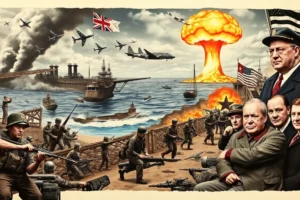
Harry S. Truman faced the monumental task of navigating post-World War II tensions, leading to the formation of NATO and the policy of containment against communism. His creation of the Truman Doctrine fundamentally altered U.S. foreign policy. What if he had chosen a path of isolationism instead?
9. Kennedy’s Confrontation with the Civil Rights Movement
John F. Kennedy initially hesitated to embrace the Civil Rights Movement, fearing backlash. However, the growing number of protests and unrest compelled him to take a stand in his June 1963 address, advancing civil rights legislation. What course might the nation have taken had he remained passive?
10. The Watergate Scandal
Richard Nixon’s fall from grace amid the Watergate Scandal revealed the fragility of presidential integrity. His subsequent resignation in 1974 is a stark reminder of the importance of accountability. In what ways has this scandal impacted public trust in government institutions?
11. The Rise of Ronald Reagan
Ronald Reagan, a former Hollywood actor, revolutionized American conservatism during the 1980s with his charismatic leadership and economic policies. His presidency not only ended the Cold War but also reshaped the Republican Party. Would America today recognize itself without his influence?
12. The Obama Phenomenon
Barack Obama’s election as the first African American president in 2008 was a watershed moment in U.S. history. His presidency challenged racial boundaries and inspired a generation. How did his tenure shift the American narrative, and what legacy does it continue to create?
13. The Importance of Supreme Court Decisions
Presidents often shape the judiciary’s makeup, but landmark Supreme Court rulings like Brown v. Board of Education and Roe v. Wade transcend presidential influence. These decisions have had profound impacts on civil rights and women’s rights in America. Can judicial power be more transformative than executive actions?
14. The Digital Revolution and Politics
The advent of the internet has revolutionized political engagement and communication. Candidates now interact with voters on social media, altering traditional campaigning. How has this newfound immediacy changed the landscape of American politics and civic engagement?
15. The Pandemic and Leadership
The COVID-19 pandemic has tested recent U.S. presidents in unprecedented ways, revealing the complexities and challenges of crisis management. Public health decisions made during this time will likely affect generations. Can we learn from these moments, shaping a resilient future?
As we navigate history’s intricate pathways, these facts serve as both reminders and challenges. They compel us to question our understanding of the past and the impact of leadership decisions. How often do we revisit these moments, reflecting on their implications for the present and future? Delve into the annals of U.S. history, and you may find answers to some of society’s most pressing questions. Remember, history is not merely a collection of dates and events; it’s a vibrant narrative that continues to evolve. What role will you play in this ongoing story?


Leave a Reply