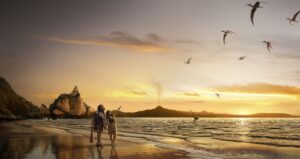
Madagascar, the fabled island off the southeastern coast of Africa, boasts an extraordinary tableau of biodiversity, cultural richness, and natural wonder. This unique locale captivates the imagination with its wild landscapes, endemic species, and vibrant traditions. As the fourth-largest island in the world, it remains shrouded in intrigue and often overlooked by the modern traveler. Here are ten astonishing facts that will inspire a new appreciation for Madagascar, evoking curiosity and a desire to explore further.
1. A Land of Endemic Species
Madagascar is often referred to as the “eighth continent” due to its unparalleled levels of endemism. Over 90% of its wildlife is found nowhere else on Earth. This includes the infamous lemurs, the iconic ring-tailed lemur, and more than 100 other species that inhabit the lush rainforests. The biodiversity extends to reptiles, amphibians, and many unique flora species such as the baobab tree, which stands as a colossal emblem of the island’s natural beauty.
2. The Lemurs of Madagascar
These charming primates are icons of Madagascar’s wildlife, comprising more than 100 species that vary dramatically in appearance and behaviors. The largest, the indri, communicates with haunting, melodic calls, while the tiny mouse lemur holds the title for the world’s smallest primate. These fascinating creatures exhibit social structures and adaptations that are both intricate and surprising, breeding curiosity in those who encounter them.
3. An Ecological Treasure Trove
With its diverse ecosystems ranging from rainforests to semi-desert landscapes, Madagascar is crucial for global biodiversity. The island’s geographical isolation has nurtured unique ecosystems that are home to diverse flora and fauna. Madagascar’s Tsingy de Bemaraha National Park, characterized by its dramatic limestone formations, is a UNESCO World Heritage site that exemplifies the island’s geological wonders and exceptional biodiversity.
4. The Baobab Avenue
One cannot visit Madagascar without beholding the iconic Avenue of the Baobabs. This mesmerizing landscape is lined with towering baobab trees, some of which are over a thousand years old. The ethereal silhouette of these ancient giants against the sunset creates a breathtaking canvas, attracting photographers and nature enthusiasts alike. Many consider it one of the most beautiful natural wonders in the world.
5. Unique Cultural Mélange
Madagascar’s culture is a rich tapestry woven from influences of African, Asian, and European origins. The Malagasy people, with their diverse languages and traditions, create a cultural mosaic that resonates throughout the island. Traditional music, such as the vigorous sounds of salegy, captures the spirit of the people, while festivals honoring ancestors reflect the deep-rooted beliefs that shape their identity.
6. A Culinary Adventure
The gastronomic landscape of Madagascar invites the adventurous palate to explore its tantalizing flavors. Rice, the staple of Malagasy cuisine, is often accompanied by a plethora of tantalizing sauces and curries, featuring fresh seafood and exotic fruits. Dishes like ravitoto, made from cassava leaves, and chicken cooked in coconut milk offer a taste of the island’s culinary creativity, revealing the harmony between local ingredients and traditional cooking methods.
7. Conservation Challenges
Despite its remarkable biodiversity, Madagascar faces significant environmental threats, particularly deforestation and habitat loss. Illegal logging and agricultural expansion pose dire risks to the delicate ecosystems. However, the island is increasingly becoming a focal point for conservation efforts, with local and international organizations striving to protect its unique species and habitats. These efforts illuminate the fragile balance between preservation and human activity.
8. Biodiversity Hotspots
Madagascar is designated as one of the world’s biodiversity hotspots, with a considerable percentage of its flora and fauna considered endangered. The island’s distinctive evolutionary pathways have led to the emergence of myriad species with specialized adaptations, such as the brightly colored chameleons renowned for their ability to change hues. This biological treasure trove beckons scientists and nature lovers to delve deeper into its wonders.
9. The Mysterious Fossa
Often mistaken for a small cougar, the fossa is Madagascar’s top predator and an intrinsic part of its ecosystem. This cat-like mammal, with its slender build and long tail, primarily preys on lemurs and plays a vital role in controlling their populations. The enigmatic nature of the fossa, coupled with its elusive habitat, adds layers of intrigue about the island’s ecological hierarchy.
10. The Spirit of Andasibe
The Andasibe-Mantadia National Park serves as a testament to Madagascar’s enchanting allure, drawing visitors into its misty rainforests alive with the calls of rare species. The park encompasses extraordinary trails, lush vegetation, and breathtaking waterfalls. Guided nocturnal walks reveal the magical world of the island’s night-dwelling creatures, providing a once-in-a-lifetime experience that underscores Madagascar’s allure.
As we traverse this fascinating island, armed with newfound knowledge of its myriad wonders, we not only foster a deeper appreciation for its natural treasures but also recognize the importance of conservation and cultural preservation. Every crevice of Madagascar pulsates with life, beckoning explorers to uncover its secrets, challenge their perspectives, and embrace the extraordinary essence of this captivating land. The journey into Madagascar is one that promises to shift the way we see the world—a vivid tapestry of life that continues to inspire awe and curiosity.