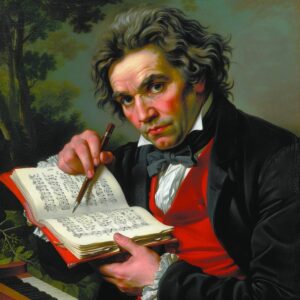
William Shakespeare, a name synonymous with literary brilliance, has fascinated and perplexed scholars and enthusiasts for centuries. The playwright and poet revered for his unparalleled contributions to the English language and literature finds himself at the center of a debate that transcends time: was he a genuine genius or merely a fraud cloaked in the robes of literary achievement? This article delves into the complexities surrounding Shakespeare’s legacy, exploring diverse perspectives and presenting a compelling narrative that invites readers to examine the enigma for themselves.
The Illustrious Life of Shakespeare
Born in 1564 in Stratford-upon-Avon, England, Shakespeare emerged from humble beginnings. His formative years are enveloped in shadow, with scant records detailing his education and early influences. However, it is this very obscurity that fuels the question of authenticity. How could a young man from a modest background become the architect of profound theatrical works that captivated monarchs and commoners alike?
By the late 1580s, Shakespeare had gravitated to London, an epicenter of cultural renaissance. His early plays, including *Henry VI* and *Titus Andronicus*, showcased a nascent talent that would mature into a masterful command of language. Over the course of two decades, he produced a staggering oeuvre encompassing comedies, tragedies, and histories, culminating in iconic pieces like *Hamlet*, *Macbeth*, and *A Midsummer Night’s Dream*. Each work echoed the human experience, unraveling the intricacies of love, ambition, and morality.
The Genius Argument
Those who champion Shakespeare’s genius point to the artistry woven into his texts. His use of iambic pentameter, deftly juxtaposed with brilliant wordplay and intricate metaphors, reveals an unparalleled mastery of language. Shakespeare’s characters remain deeply resonant, encapsulating timeless themes and emotional truths that defy the constraints of era and culture.
Moreover, his ability to innovate language is unmatched. Many of the phrases and idioms we employ today—such as “break the ice” and “heart of gold”—originate from his pen. This linguistic inventiveness suggests not merely a talented writer but a visionary who sculpted the English lexicon into an expressive tool for future generations.
Additionally, the breadth of his work testifies to the depth of his intellect. Shakespeare deftly navigated complex themes and varied genres, appealing to an expansive audience. His capability to intertwine farce with tragedy, and the mundane with the philosophical, proposes a creative mind that transcends the limitations of contemporary norms.
The Fraud Allegation
Conversely, the counterargument put forth by skeptics posits that Shakespeare may not have been the true author of the works attributed to him. This theory, often framed as the “Shakespeare Authorship Question,” has amassed varied champions, positing alternative candidates, such as Christopher Marlowe or Edward de Vere, the Earl of Oxford, each with their own compelling narratives.
Critics who adhere to this perspective offer several points of contention. First, they cite the lack of formal education that would typically accompany such a prolific literary output. The notion that a man of Shakespeare’s background could possess a profound understanding of diverse subjects—from the intricacies of royal power dynamics to the subtleties of human psychology—raises eyebrows. Could a humble glover’s son possess the erudition reflected in the Bard’s texts?
Furthermore, the historical context surrounding Shakespeare’s identity contributes to the skepticism. The societal norms of the time often favored the anonymity of playwrights. Playwriting was considered a lowly profession, and many of Shakespeare’s contemporaries remain obscure. Some argue that the true author may have been someone from the upper echelons of society, using Shakespeare as a front to protect themselves from the stigma associated with dramatic writing.
Revisiting Legacy: A New Perspective
The act of questioning authorship inspires critical thinking, prompting readers to delve into the plays and sonnets with renewed curiosity. Whether one views Shakespeare as a singular genius or an enigma likely obscured by time, the literary value remains immutable. His works have stood the test of epochs, providing a fertile ground for exploration in academic, theatrical, and recreational contexts.
Moreover, the argument transcends the man himself, beckoning a broader inquiry into the very nature of authorship and creative expression. The quintessential question echoes: does the identity of the creator overshadow the power of the creation? This contemplation compels a shift in perspective that invites one to embrace ambiguity as an enriching facet of the artistic experience.
Conclusion: Genius or Fraud?
Ultimately, the question of William Shakespeare’s genius or potential fraud sparks introspection. The evidence presented by both sides fosters an intricate tapestry that exemplifies the complexity of human creativity and intellectual legacy. Perhaps it is not imperative to definitively categorize Shakespeare within the bounds of genius or fraud. The beauty lies in the questions he elicits, the discussions he inspires, and most importantly, the timeless resonance of his work in the human experience. Whether we embrace him as a masterful genius or ponder the possibilities of a charade, Shakespeare will undeniably remain a towering figure in the pantheon of literature.